

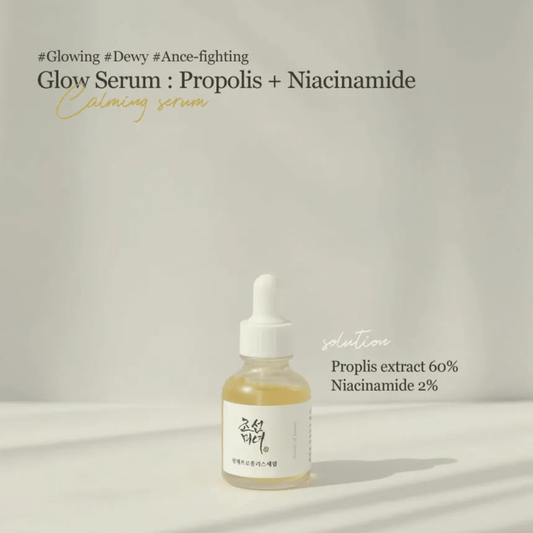
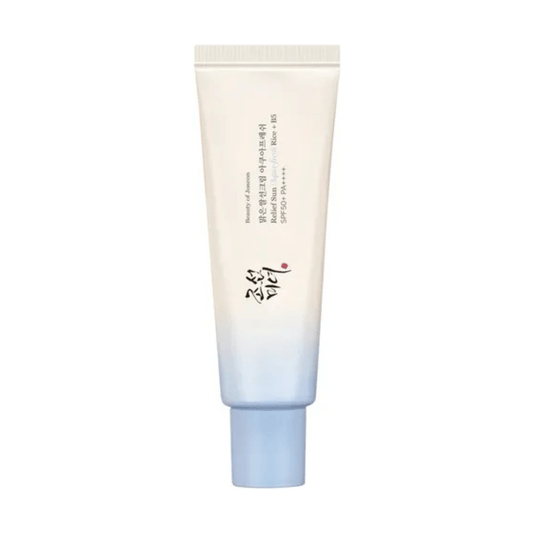
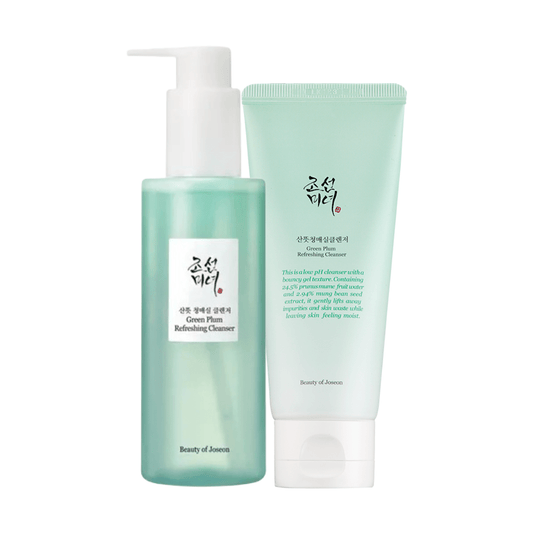
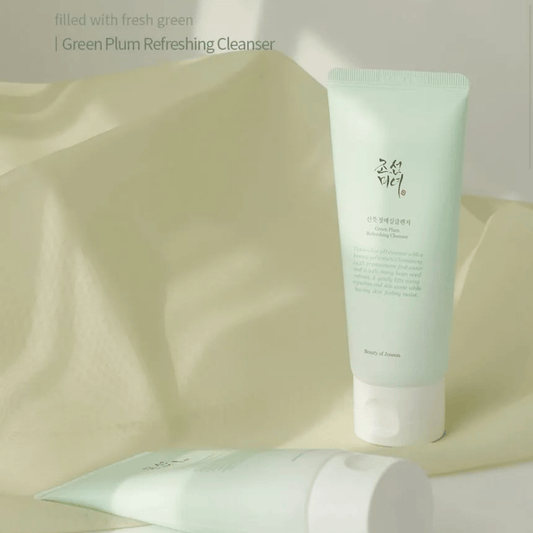

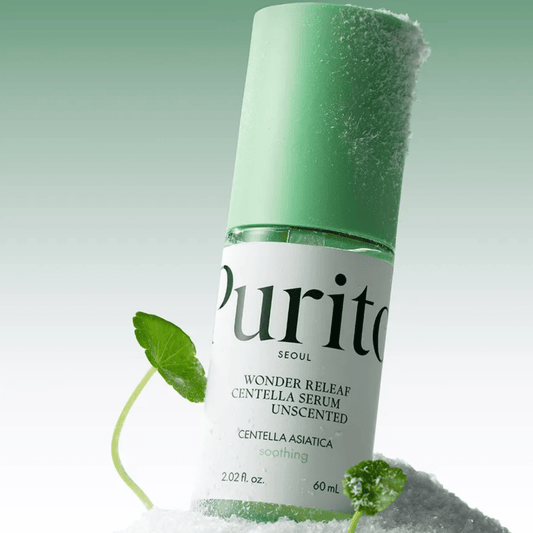
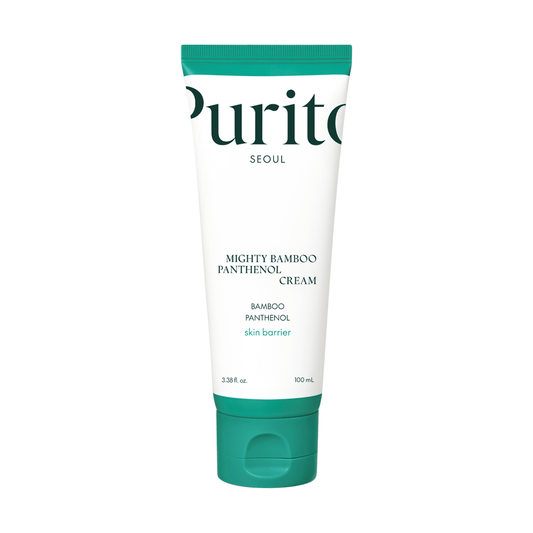
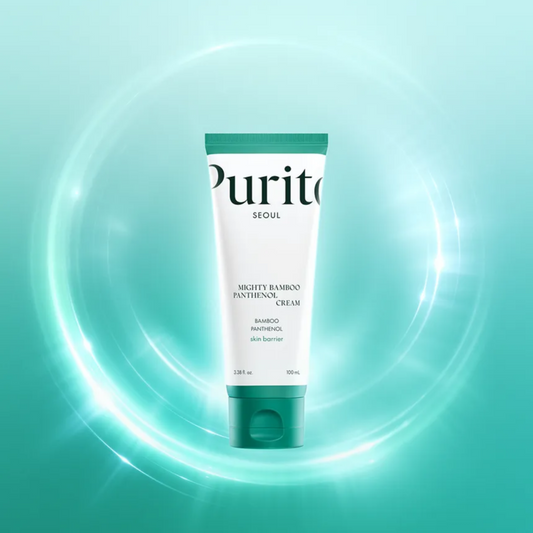

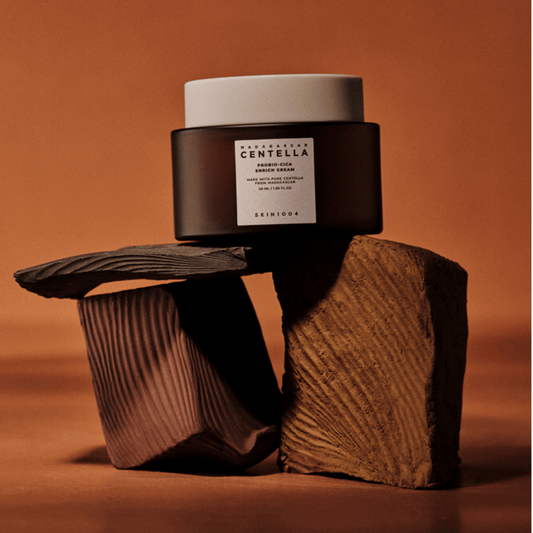


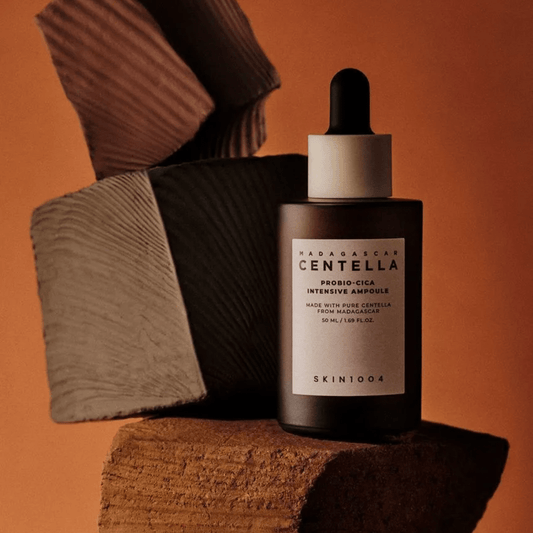
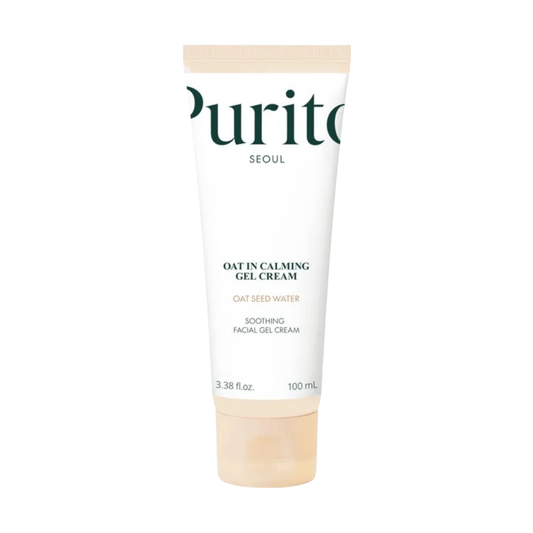
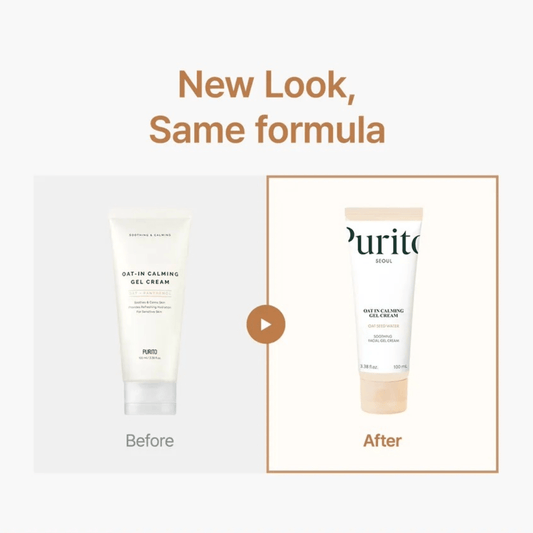
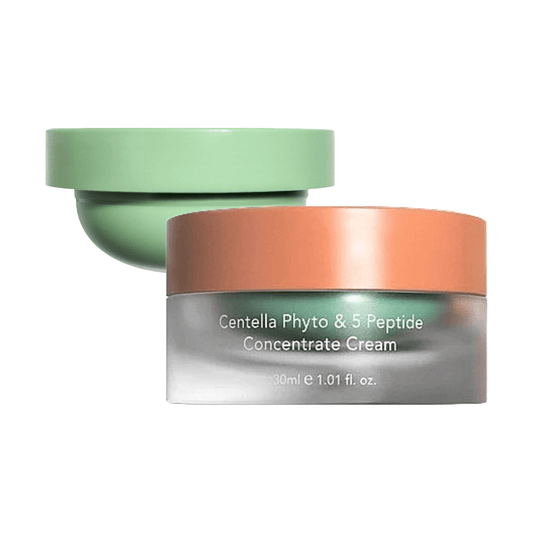
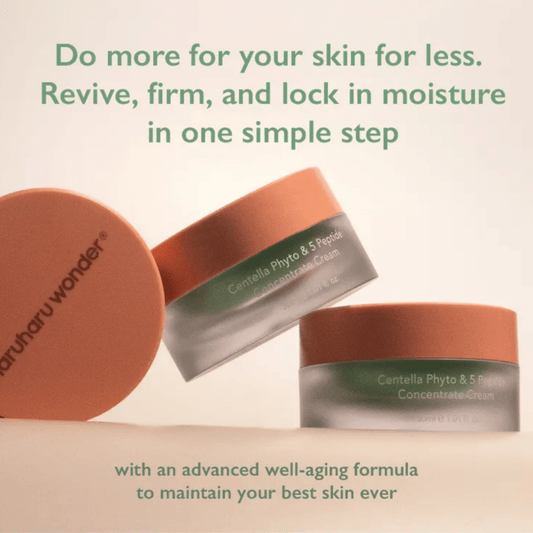
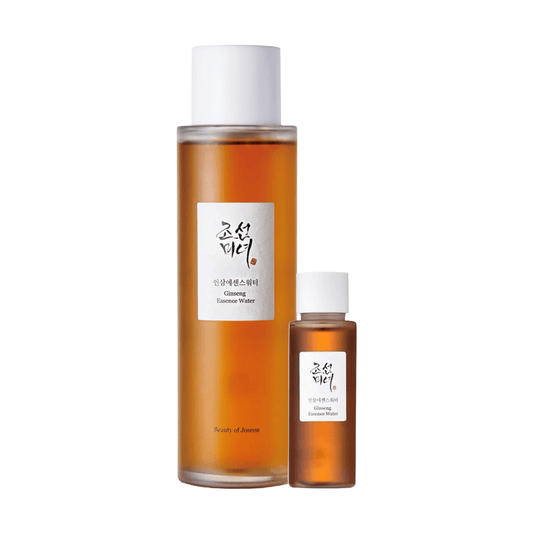
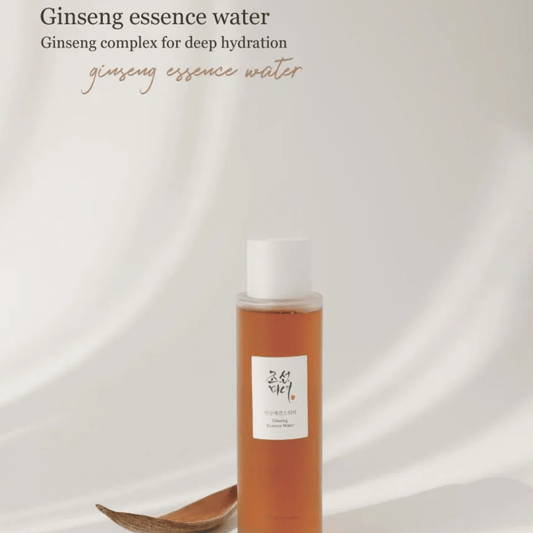
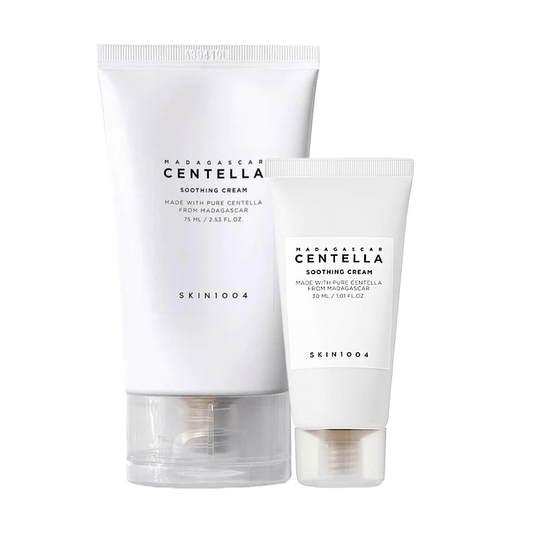
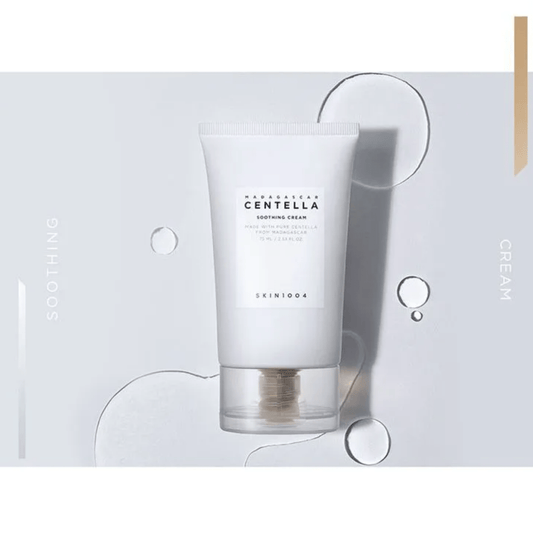

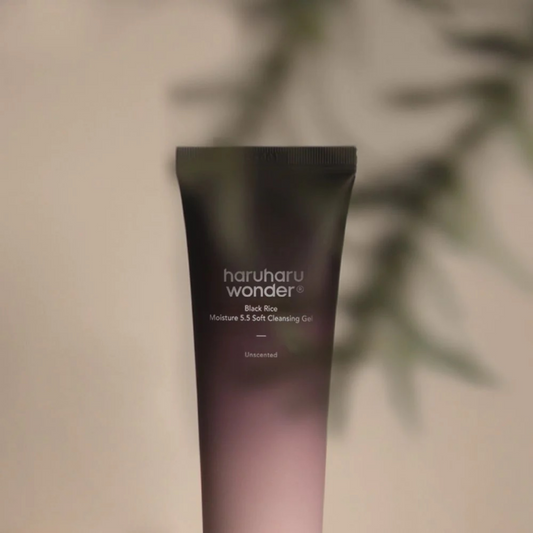

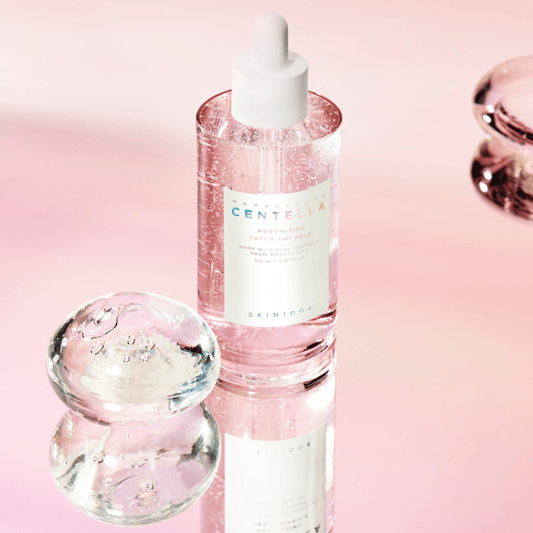
K-Beauty for Sensitive Skin and Barrier Repair focuses on the intensive process of rebuilding a skin barrier that has been significantly compromised. When the barrier breaks down, everything gets worse at once: moisture escapes, irritants penetrate, redness flares, and the skin stings at the slightest contact. Korean skincare's barrier-first philosophy provides a clear, methodical path back to comfortable, resilient skin.
Signs Your Sensitive Skin Barrier Needs Repair
A compromised barrier shows itself through several clear signals. The skin feels tight and dry even shortly after moisturising. Products that previously caused no problems now sting or burn on application. Redness appears more easily and takes longer to settle. The skin may feel rough or develop small dry patches that were not there before. In more advanced cases, the skin becomes reactive to water, temperature changes, and even gentle products. Recognising these signs early and shifting to a repair-focused routine prevents the damage from deepening further.
- Tightness and dryness even after moisturising
- Previously safe products now sting or burn
- Redness appears more easily and lingers longer
- Rough patches or new dryness in unexpected areas
- Reactivity to water or temperature changes
Key Ingredients for Barrier Repair on Sensitive Skin
Ceramides are the foundation of barrier repair. They directly replace the lipids that form the mortar between skin cells. Ceramide NP, AP, and EOP used together mimic the skin's own lipid blend most closely. Cholesterol and fatty acids complete the lipid ratio. Panthenol accelerates the skin's natural recovery process. Centella asiatica calms inflammation while the barrier rebuilds, reducing the redness and discomfort that come with barrier damage. Squalane provides a lightweight occlusive layer that prevents moisture from escaping during the repair process.
- Ceramide NP, AP, and EOP together mimic natural skin lipids
- Cholesterol and fatty acids complete the repair blend
- Panthenol speeds the skin's natural recovery
- Centella calms inflammation during barrier rebuilding
- Squalane prevents moisture loss while repair happens
The Barrier Repair Routine for Sensitive Skin
During active barrier repair, the routine should be as simple as possible. Strip it back to three or four steps maximum. Use a gentle cream cleanser morning and evening. Follow with a ceramide-rich essence or serum. Seal with a barrier cream that contains ceramides, cholesterol, and fatty acids. In the morning, add a mineral SPF. Remove all actives, all exfoliants, and all fragrance from the routine during this phase. The goal is to give the barrier everything it needs to rebuild without adding any stress. Most barrier repair phases last four to six weeks before the skin is stable enough to reintroduce other products gradually.
- Simplify to three or four steps maximum
- Cream cleanser, ceramide essence, barrier cream, SPF
- Remove all actives, exfoliants, and fragrance
- Four to six weeks before reintroducing other products
What Damages the Barrier in the First Place
Over-exfoliation is the most common cause of barrier damage in sensitive skin. Using AHAs, BHAs, or physical scrubs too frequently strips the lipid layer faster than it can rebuild. Harsh cleansers with sulphates remove too much of the skin's natural oil. Retinol introduced too quickly or at too high a concentration can overwhelm the barrier. Environmental factors like cold wind, central heating, and hard water also contribute. For sensitive skin, the barrier has less capacity to absorb these stresses, so damage accumulates faster than it does on more resilient skin types.
- Over-exfoliation strips lipids faster than they rebuild
- Sulphate cleansers remove too much natural oil
- Retinol at too high a dose overwhelms the barrier
- Cold wind, heating, and hard water add environmental stress
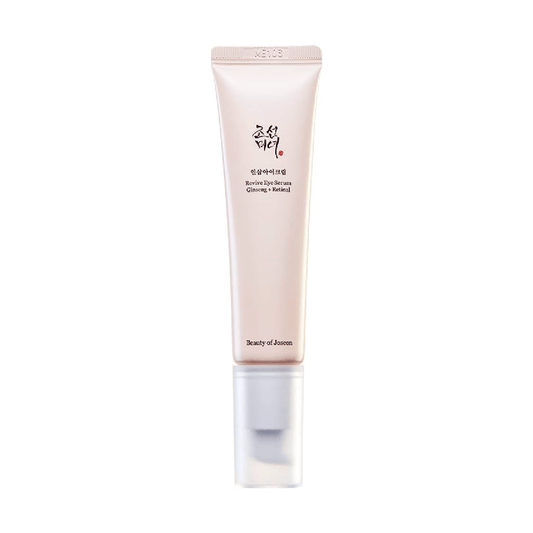
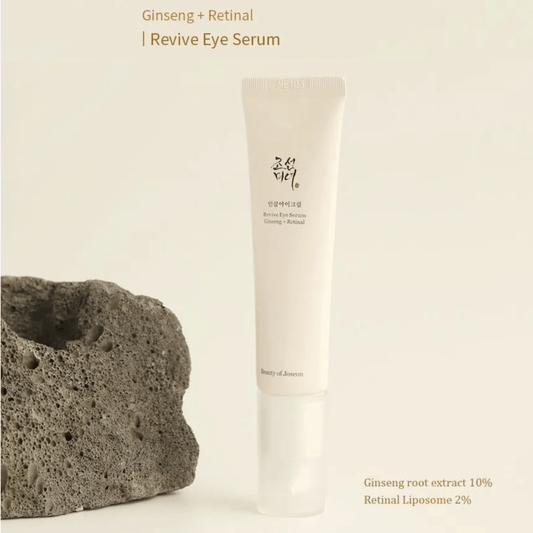
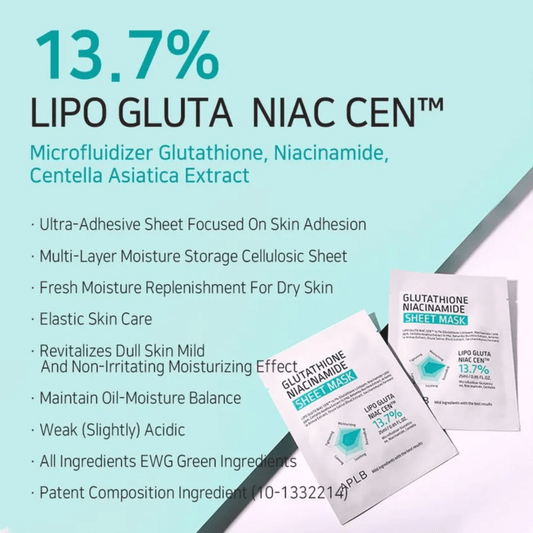
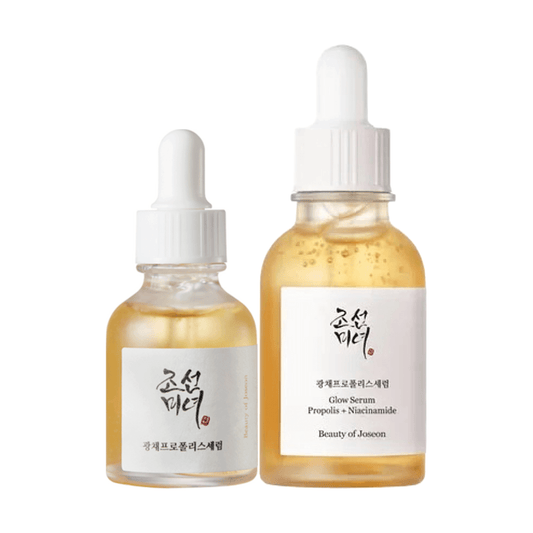
Scroll up to explore barrier repair products that help your sensitive skin rebuild its natural strength.