


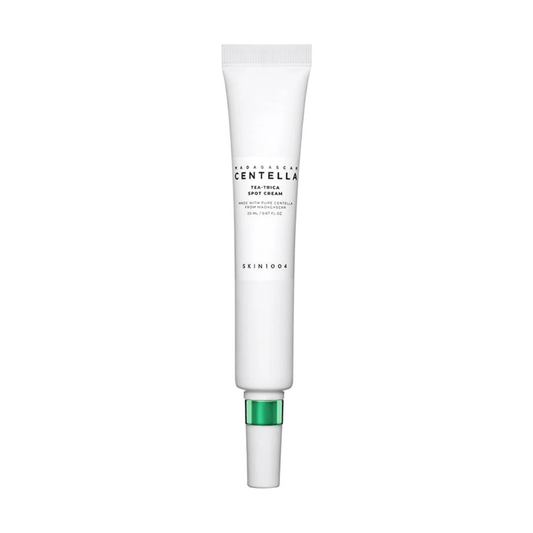

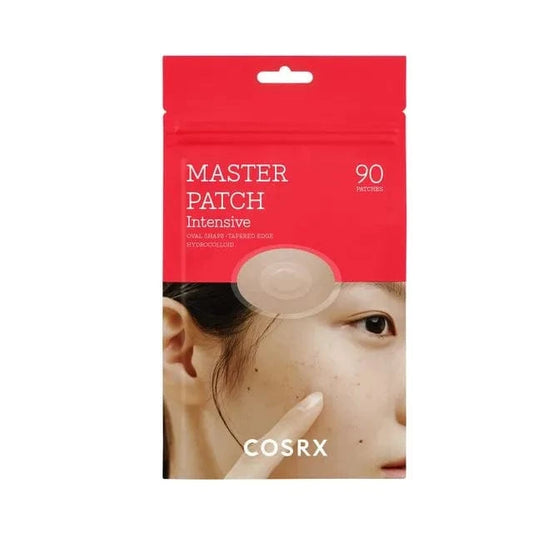

Korean Spot Treatments with Tea Tree use this well-known natural antimicrobial ingredient to address blemishes gently. Tea tree provides bacterial control without the aggressive chemistry of many synthetic spot treatment actives, making it suitable for many skin types.
How Tea Tree Works in a Spot Treatment
Tea tree oil (derived from Melaleuca alternifolia) contains terpinen-4-ol as its primary active compound. This molecule disrupts the cell membranes of the bacteria most commonly associated with acne, Cutibacterium acnes (formerly Propionibacterium acnes). At the concentrations used in skincare formulations (typically 1% to 5%), tea tree reduces bacterial presence in the follicle without causing the systemic side effects associated with topical antibiotics. It also has mild anti-inflammatory properties that reduce the redness around an active blemish as treatment progresses.
- Terpinen-4-ol targets blemish-causing bacteria at the follicle
- Effective at 1-5% without antibiotic resistance risk
- Mild anti-inflammatory effect reduces visible redness
Tea Tree Compared to Other Spot Treatment Actives
Salicylic acid and benzoyl peroxide are the most widely used conventional spot treatment actives. Benzoyl peroxide is highly effective against bacteria but bleaches fabrics and can cause significant dryness and irritation. Salicylic acid exfoliates inside pores but does not directly target bacteria. Tea tree provides bacterial control similar to benzoyl peroxide with fewer side effects at typical formulation concentrations. It does not exfoliate pores like salicylic acid, so the most effective Korean formulas for blemishes combine tea tree with a gentle BHA for a dual action that covers both bacterial and sebum-based causes of breakouts.
- Antimicrobial effect without bleaching or intense drying
- Works well combined with salicylic acid for dual action
- Lower irritation risk than benzoyl peroxide at typical concentrations
Tea Tree Safety for Sensitive and Reactive Skin
Undiluted tea tree oil should never be applied directly to the skin, it is an essential oil concentrate that causes chemical burns and sensitisation at full strength. In properly formulated skincare products, tea tree is diluted to safe concentrations and suspended in emollient bases that prevent skin contact at irritating levels. Patch testing any new tea tree product is still advisable, especially for reactive skin, as some people develop a sensitisation response to terpenes even at low concentrations. Discontinue use and allow recovery if any persistent redness or itching develops.
- Only use tea tree in diluted, formulated skincare products
- Patch test on sensitive or reactive skin before full application
- Discontinue if persistent redness or itching develops
Choosing a Tea Tree Spot Treatment for Your Needs
Tea tree spot treatments are most effective on shallow whiteheads, minor congestion, and early-stage blemishes before they become deeply inflamed. For deep cystic blemishes, tea tree's surface antimicrobial action may not reach far enough into the follicle to provide meaningful calming effect, in which case salicylic acid gel or a hydrocolloid patch are better tools. Korean tea tree spot treatments typically include additional calming ingredients such as centella, aloe, or panthenol that complement the antimicrobial action and reduce overall irritation during treatment.
- Most effective on shallow whiteheads and early-stage spots
- Combine with salicylic acid for deeper congestion
- Look for calming co-ingredients like centella or panthenol
Explore our Korean Spot Treatments with Tea Tree and find a gentle, effective formula that works with your skin.