
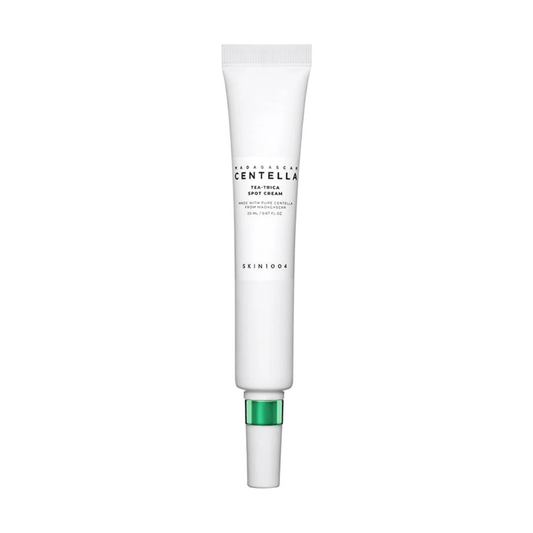




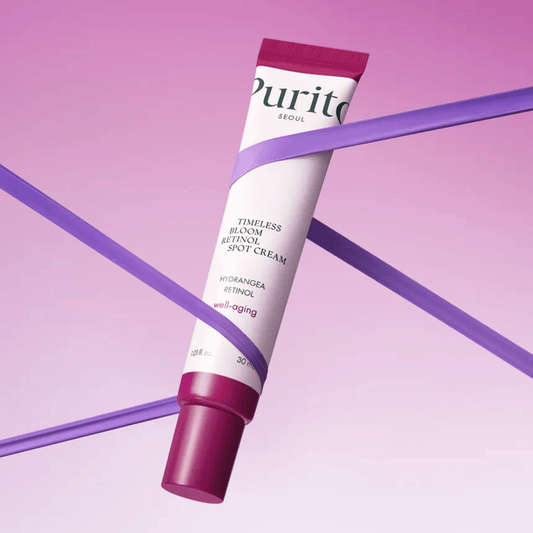

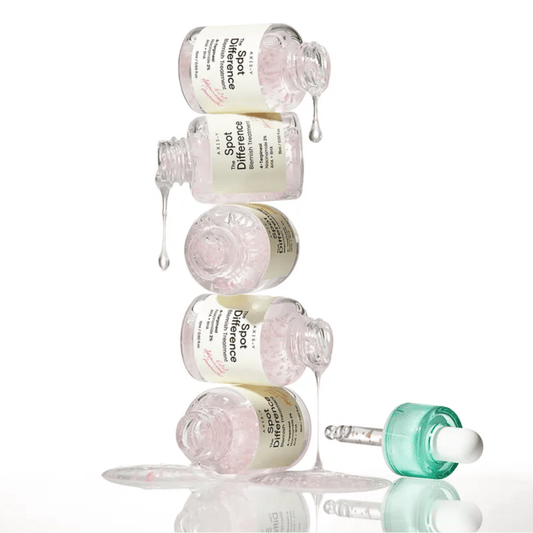





Korean Spot Treatments for Oily Skin work with your skin's natural sebum rather than stripping it. These formulas address blemishes while keeping the skin balanced: light enough to sit comfortably on oily areas but effective enough to deliver real results.
Why Oily Skin Needs Targeted Treatment
Oily skin produces more sebum than average, which means pores fill up more quickly and are more prone to congestion. Blemishes on oily skin often form from blocked follicles rather than bacterial infection alone. Spot treatments that are too drying trigger a rebound: the skin overproduces oil to compensate for the moisture it has lost, making the problem worse. Korean formulas for oily skin strike a different balance, they clear the blocked pore with exfoliating actives while maintaining enough skin comfort to prevent that overproduction cycle.
- Target the follicle without stripping surface oils
- Prevent rebound oil production from over-drying
- Lightweight textures that do not add shine
Best Actives for Oily Blemish-Prone Skin
Salicylic acid is the most effective BHA for oily skin because it is oil-soluble, meaning it can travel through the sebum-filled follicle to exfoliate from inside. Niacinamide regulates sebum production over time and fades post-acne marks. Zinc PCA targets excess oil at a follicular level without causing surface dryness. Tea tree provides antimicrobial support without heavy, pore-blocking bases. Kaolin clay absorbs excess oil throughout the day and creates a smoother surface on application.
- Salicylic acid to clear oil-filled pores
- Niacinamide to regulate sebum long-term
- Zinc PCA and tea tree for antimicrobial support
Textures and Formats for Oily Skin
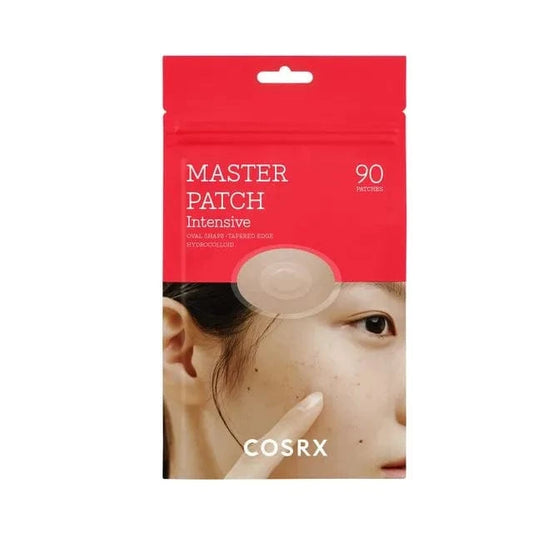
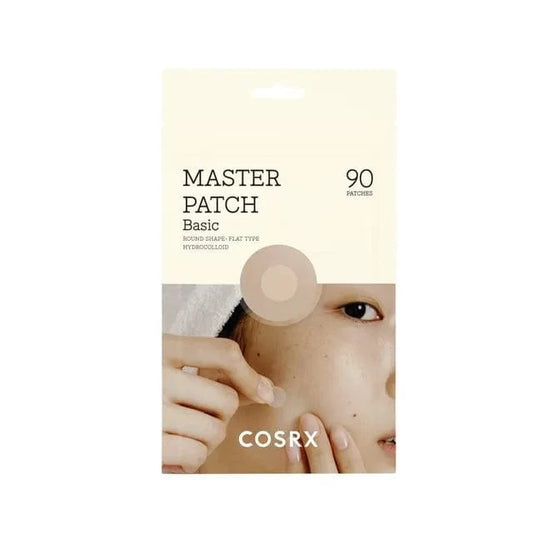
Gel formulas are generally the best fit for oily skin: they absorb quickly, leave no residue, and do not add extra emollients that could contribute to congestion. Water-based serums deliver lightweight actives without a greasy feel. Hydrocolloid patches work well on oily skin too, drawing out the contents of whiteheads and creating a clean, covered surface. Avoid cream textures with high emollient content unless your oily skin has dry patches that genuinely need extra moisture.
- Gels and water-based serums absorb without residue
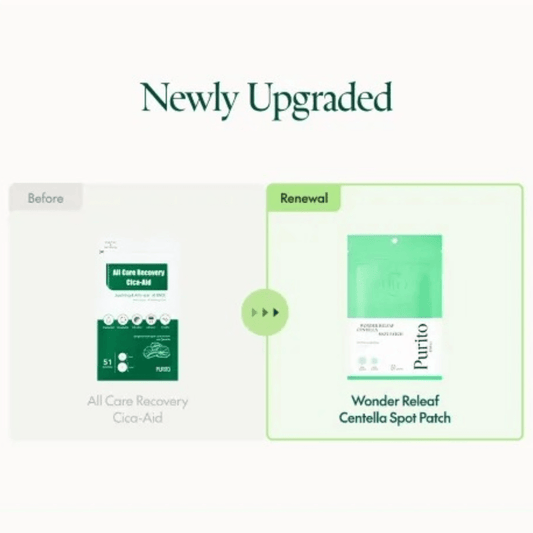
- Hydrocolloid patches for surface blemishes
- Avoid heavy cream formats on consistently oily areas
Fitting Spot Treatment Into an Oily-Skin Routine
An effective routine for oily blemish-prone skin starts with a foaming or gel cleanser that removes excess sebum without being abrasive. A BHA toner applied across congested areas provides baseline pore clearing. The spot treatment then delivers concentrated actives to individual blemishes. A light, non-comedogenic moisturiser matters even for oily skin: skipping it increases the risk of rebound oil production. SPF in a gel or fluid finish is essential in the morning. Consistent routine prevents the fluctuations in oil production that can worsen breakouts.
- Use BHA toner for baseline pore clearing
- Do not skip moisturiser even on oily skin
- Consistent routine reduces oil fluctuation
What to Expect Over Time
Within the first week of consistent spot treatment use, individual blemishes resolve more quickly and with less residual redness. Niacinamide begins to show its sebum-regulating effect at six to eight weeks, with oiliness in the T-zone and congested areas becoming more manageable. At three months, skin that previously broke out weekly typically shows a noticeable reduction in both frequency and severity of new blemishes. Post-acne marks left by earlier breakouts also fade more quickly when the ongoing inflammation that worsens pigmentation is kept under control.
- Blemishes resolve faster from the first week
- Sebum regulation visible at 6-8 weeks
- Fewer new blemishes by three months
- Post-acne marks fade faster with controlled inflammation
Browse our Korean Spot Treatments for Oily Skin and find formulas that keep blemishes clear without adding congestion.