


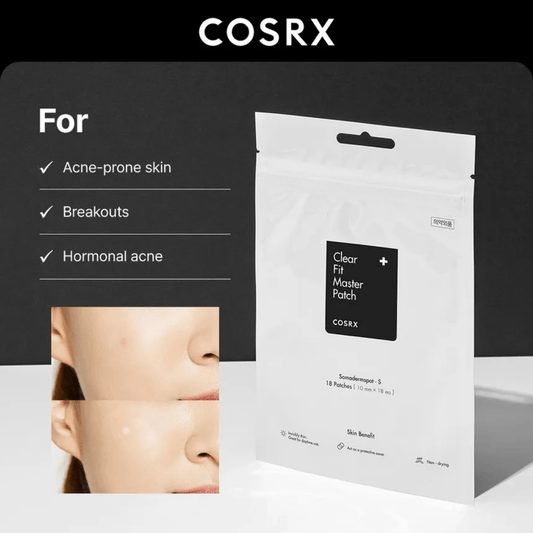

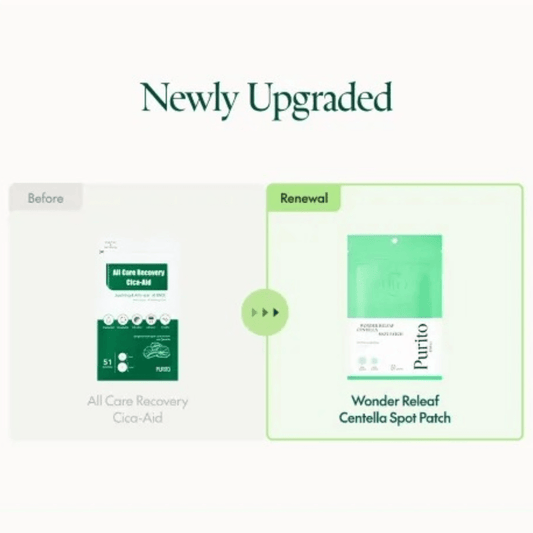

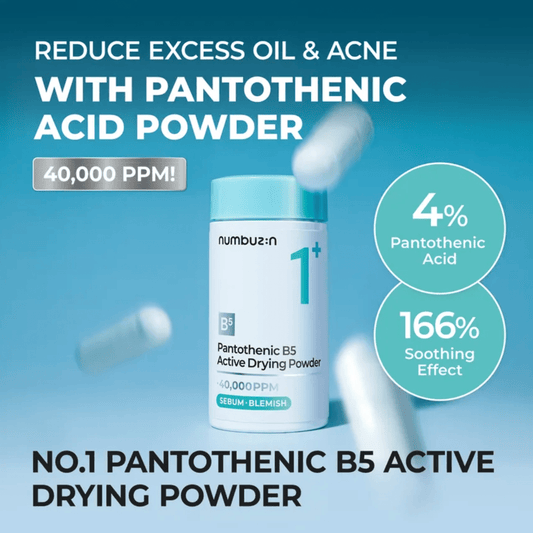

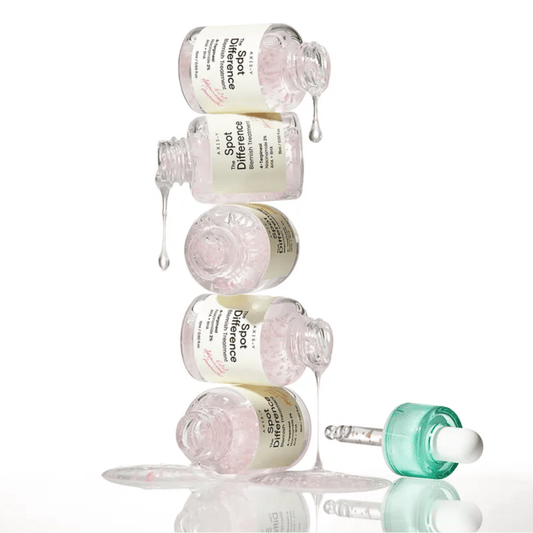


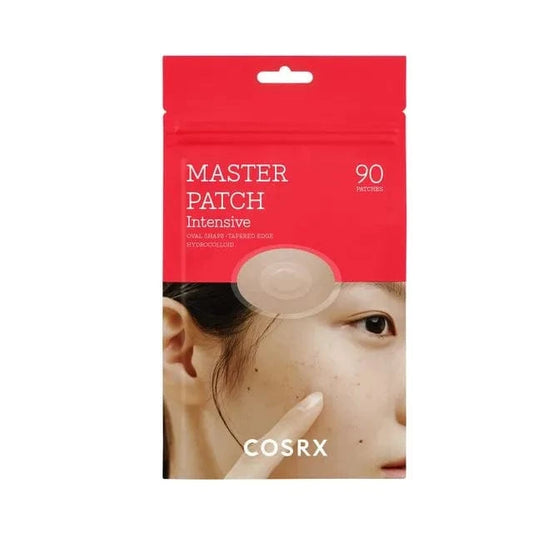

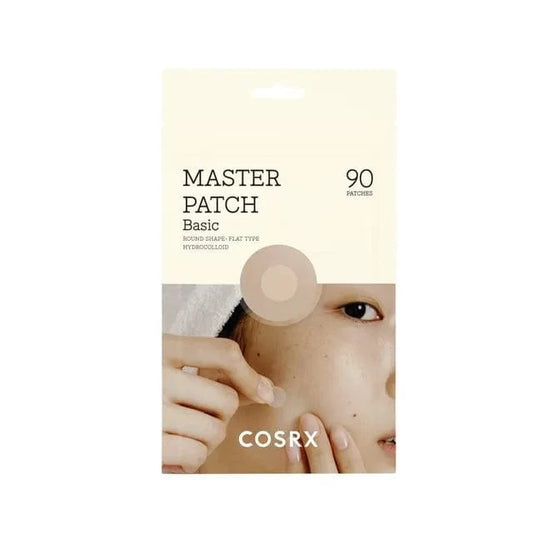


Korean Spot Treatments for Wound Healing support the skin's natural recovery after a blemish breaks. These formulas go beyond treating the active spot, they help the skin repair cleanly, reducing the risk of scarring and post-inflammatory marks.
What Happens When a Blemish Heals
When a blemish ruptures or is extracted, it creates a small wound in the skin. The body responds with an inflammatory cascade followed by a repair phase in which collagen is laid down to close the gap. If this process is disrupted by continued picking, harsh actives, or infection, the repair is uneven, leading to textural scarring or discolouration. Wound-healing spot treatments support the repair phase by providing the conditions the skin needs to rebuild cleanly: a moist wound environment, anti-inflammatory support, and reparative actives that encourage organised collagen formation.
- Support clean repair after extraction or rupture
- Reduce risk of textural scarring and discolouration
- Provide a moist wound environment for organised healing
Ingredients That Support Wound Healing
Centella asiatica is the leading wound-healing botanical in Korean skincare. Madecassoside promotes fibroblast proliferation and collagen synthesis, directly accelerating tissue repair. Panthenol (vitamin B5) improves moisture retention in healing tissue and reduces inflammation without disrupting the repair cascade. Allantoin promotes cell turnover in the healing wound and reduces excess scar tissue formation. Hydrocolloid materials create the optimal moist environment, drawing fluid from the wound while protecting it from bacteria and physical interference.
- Centella madecassoside for collagen synthesis
- Panthenol for moisture retention in healing tissue
- Allantoin and hydrocolloid for clean, controlled repair
How to Support Wound Healing With Spot Treatment
Once a blemish has been extracted or has broken naturally, switch from a drying treatment to a wound-healing formula immediately. Apply to the raw area with clean hands and do not pick at any forming crust, this disrupts the repair and increases scarring risk. Hydrocolloid patches are particularly effective at this stage because they maintain the moist environment while protecting the area from bacteria and unconscious touching. Keep the area moisturised and avoid strong actives like retinol or high-strength acids on the wound until it has fully closed.
- Switch to wound-healing formula as soon as a blemish breaks
- Hydrocolloid patches protect and create optimal repair conditions
- Avoid retinol and strong acids on open wounds
Preventing Post-Blemish Marks
Post-inflammatory hyperpigmentation (PIH) is more likely when the wound heals under inflammatory conditions. Melanocytes near the wound site are stimulated by inflammation to produce excess pigment, which becomes a persistent dark mark. Wound-healing formulas that include niacinamide or licorice root as secondary ingredients can intercept this process. Using SPF daily on healing areas is also essential, as UV exposure dramatically worsens PIH by stimulating further melanin production. Consistent protection during and after healing is the most reliable way to prevent lasting discolouration.
- Niacinamide and licorice to prevent post-inflammatory pigmentation
- SPF is essential on healing areas every day
- Consistent care during healing reduces lasting marks
Browse our Korean Spot Treatments for Wound Healing and give your skin the support it needs to recover cleanly and calmly.