
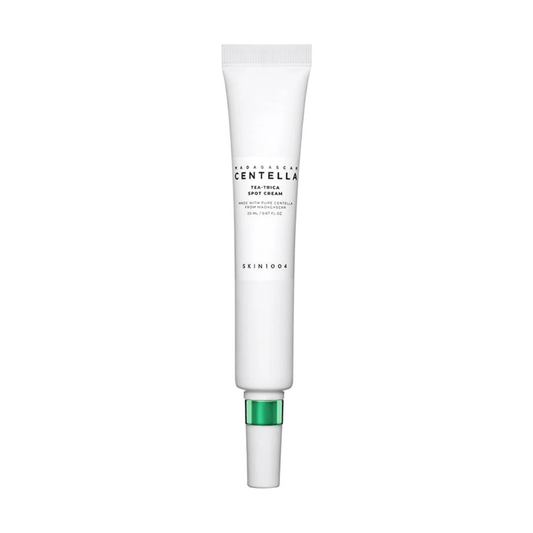

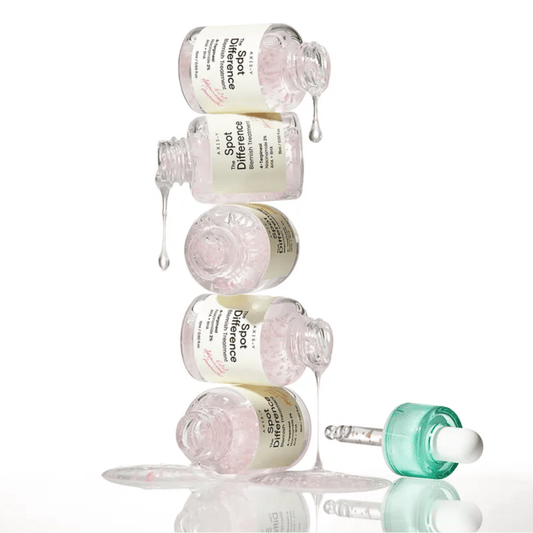

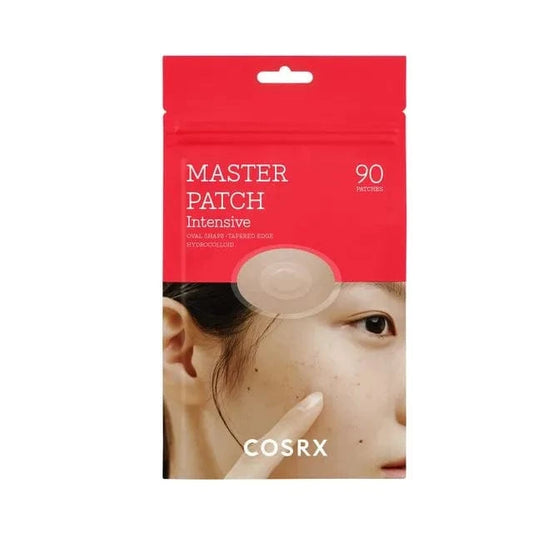

Korean Spot Treatments for Barrier Repair treat blemishes while actively rebuilding the skin's protective layer. These formulas recognise that a damaged barrier is both a cause and a consequence of recurring blemishes, and they address both at the same time.
How a Damaged Barrier Leads to More Blemishes
The skin barrier is a lipid-rich layer that prevents water loss and blocks environmental irritants and bacteria from entering the deeper layers of the skin. When this layer is disrupted, through over-cleansing, harsh actives, physical exfoliation, or environmental stress, the skin becomes more permeable. Bacteria and irritants reach follicles more easily, increasing the frequency and severity of breakouts. At the same time, transepidermal water loss increases, leaving the skin dehydrated and less able to complete normal repair processes. Barrier-repair spot treatments break this cycle by rebuilding what has been lost while treating the blemishes that formed in its absence.
- Disrupted barrier allows bacteria deeper access to follicles
- Increased permeability worsens blemish frequency and severity
- Repair the barrier and reduce blemishes simultaneously
Barrier-Repair Ingredients in Korean Spot Treatments
Ceramides are the structural foundation of the skin barrier, phospholipid molecules that sit between skin cells and maintain the integrity of the barrier layer. Formulas that include ceramides directly replace what has been lost through damage. Fatty acids, particularly linoleic acid, complete the lipid ratio that a healthy barrier requires. Cholesterol is the third essential component of the barrier lipid mixture and is often included in Korean repair formulas for a complete structural rebuild. Centella asiatica supports barrier repair from the inside by promoting fibroblast activity and collagen synthesis in the dermis beneath.
- Ceramides replace the structural lipids lost through barrier damage
- Linoleic acid and cholesterol complete the lipid repair ratio
- Centella supports dermis-level repair beneath the surface
When to Use a Barrier-Repair Spot Treatment
Barrier-repair spot treatments are particularly valuable during and after periods of intensive active skincare, after overusing acids, retinol, or physical exfoliation. They are also the right choice when your skin feels reactive, tight, or perpetually irritated alongside recurring blemishes, as these are signs that the barrier is compromised. After a significant breakout or during recovery from skin treatments, a barrier-repair focus helps the skin rebuild stability faster. Use during flare-ups to prevent the inflammation from causing further barrier disruption.
- Use after periods of over-exfoliation or active-heavy routines
- Reactive, tight skin alongside blemishes signals barrier damage
- Continue during flare-ups to prevent compounding barrier loss
Building a Barrier-Focused Blemish Routine
A barrier-focused routine uses the minimum number of actives needed to clear blemishes while prioritising structural skin health. A gentle, low-pH cream cleanser removes impurities without disrupting the acid mantle. A ceramide-rich toner or essence restores the barrier's lipid layer before treatment. The barrier-repair spot treatment is applied to blemishes and the areas around them. A barrier-supportive moisturiser with ceramides, cholesterol, and fatty acids seals everything in. SPF is essential for barrier-compromised skin, as UV exposure worsens barrier function and delays repair. This routine produces measurable improvements in skin stability within a few weeks of consistent use.
- Minimum actives, maximum barrier support
- Ceramide-rich products at every hydration step
- SPF is especially important for barrier-compromised skin
Find the formula your skin needs in our Korean Spot Treatments for Barrier Repair range, effective blemish care that rebuilds rather than disrupts.