








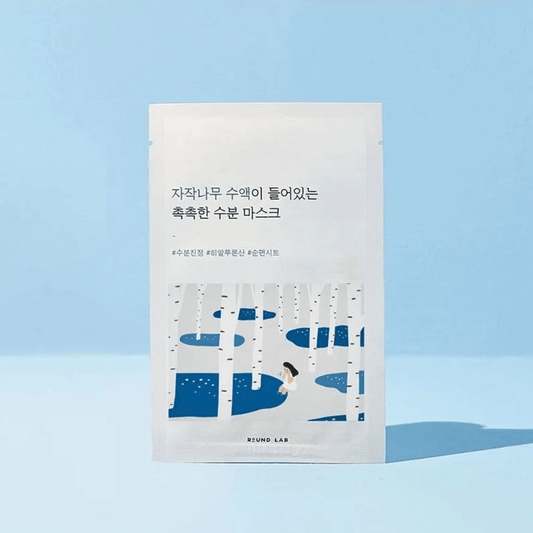

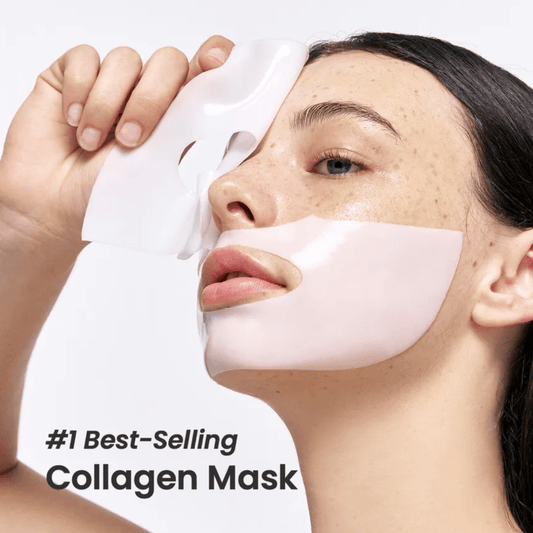

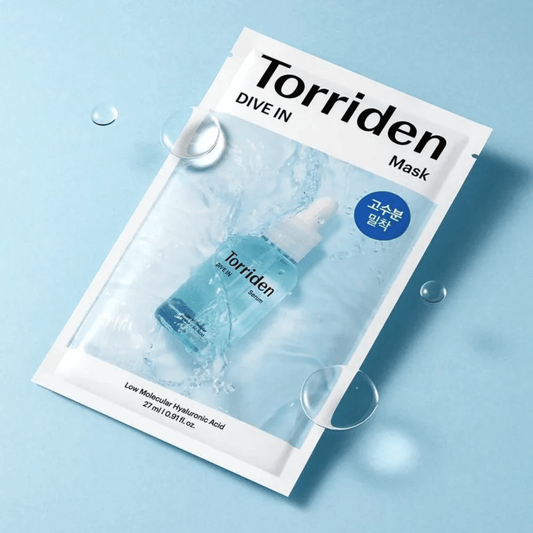

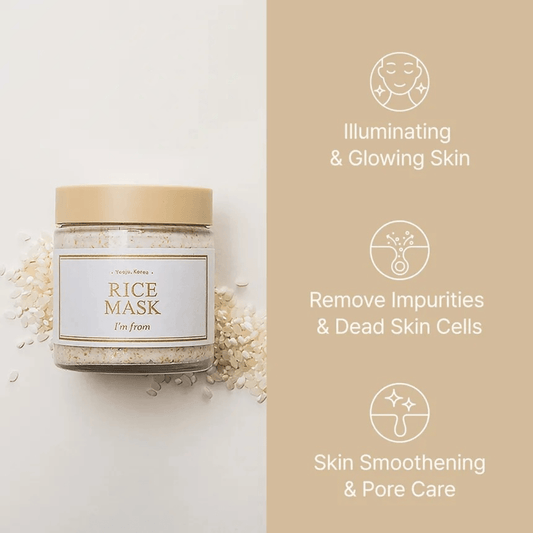


Korean Masks for Sensitivity are for skin that has become unpredictable. Products that worked fine before suddenly sting. The face flushes for no clear reason. A change in weather, a new ingredient, or a stressful week is enough to send skin into discomfort. These masks take a step back from all of that and focus entirely on making the skin feel safe and settled again.
Understanding Skin Sensitivity
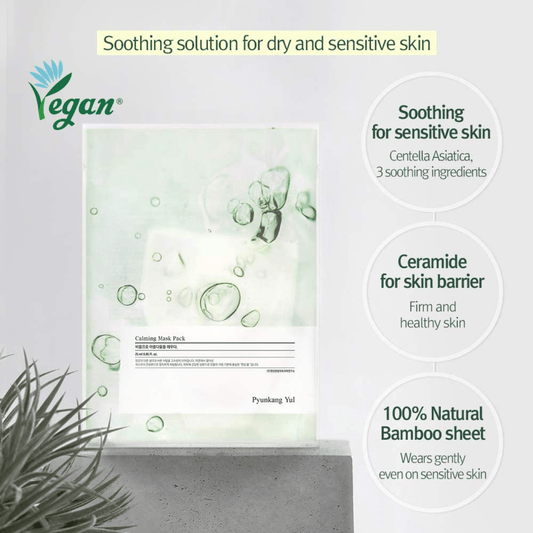
Sensitivity means the skin's barrier is thinner or more permeable than usual, allowing irritants to reach nerve endings and immune cells that trigger an inflammatory response. Common triggers include fragrance, alcohol, essential oils, and high-concentration exfoliants. Korean Masks for Sensitivity avoid all of these. They rely on ingredients with exceptionally low irritation profiles: centella, panthenol, allantoin, and ceramides, all of which are recognised for calming rather than stimulating the skin.
- Centella for anti-inflammatory support
- Panthenol for moisture and repair
- Allantoin to calm nerve sensitivity
- Ceramides to strengthen a permeable barrier
Choosing Formats for Reactive Skin
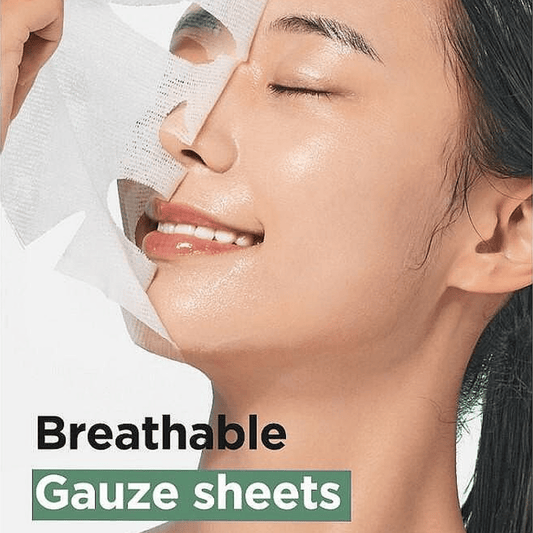
Sheet masks and sleeping gel masks are the safest formats for sensitive skin because they apply without friction and sit gently on the surface. Wash-off formats should be rinsed with cool or lukewarm water, never hot. Avoid any mask with a tingly, warming, or foaming sensation: these effects signal ingredient activity that sensitive skin may not tolerate. Peel-off masks can disrupt the surface layer on removal and are best avoided during reactive periods.
- Sheet masks for minimal application friction
- Sleeping gel masks for overnight comfort
- Cool-water rinse for wash-off formats
- Avoid tingly, warming, or foaming masks
Making Progress Gently
Sensitive skin responds best to a stable, simple routine rather than frequent changes. Use Korean Masks for Sensitivity two to three times a week as a consistent, predictable step. Avoid introducing new active ingredients at the same time as a new mask. Patch test everything on the inner arm for 24 hours before applying to the full face. Over several weeks of consistent, gentle care, most sensitive skin becomes measurably more resilient.
- Use 2-3 times weekly as a stable routine step
- Patch test on inner arm before first full use
- Avoid new actives at the same time as a new mask
- Expect gradual improvement over 4-6 weeks
When Sensitivity Persists Despite Good Skincare
Some cases of persistent skin sensitivity have underlying causes that a mask alone cannot address. Contact dermatitis from a specific ingredient, perioral or periocular dermatitis, rosacea, and eczema all present with sensitivity symptoms and require different management approaches. If skin continues to react despite a simplified, fragrance-free routine and consistent use of calming masks over four to six weeks, a dermatologist assessment is worthwhile. Identifying whether the sensitivity is caused by a skin condition rather than a product issue gives a clearer path forward and prevents months of trial-and-error with new products.
- Persistent sensitivity may indicate an underlying skin condition
- Dermatitis and rosacea require specific management
- Seek professional assessment if improvement does not occur in six weeks
- Correct diagnosis avoids prolonged trial-and-error
Find the right mask in the collection above. Your skin will settle when it finds something it can rely on.