

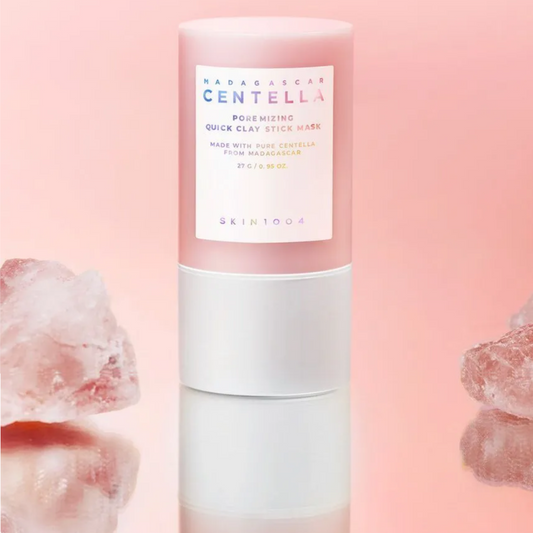
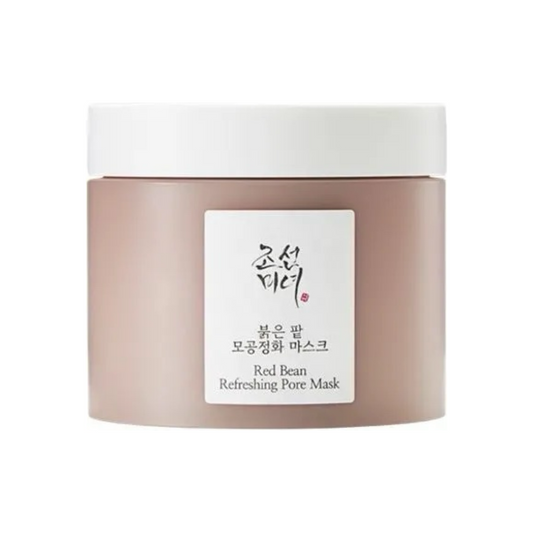
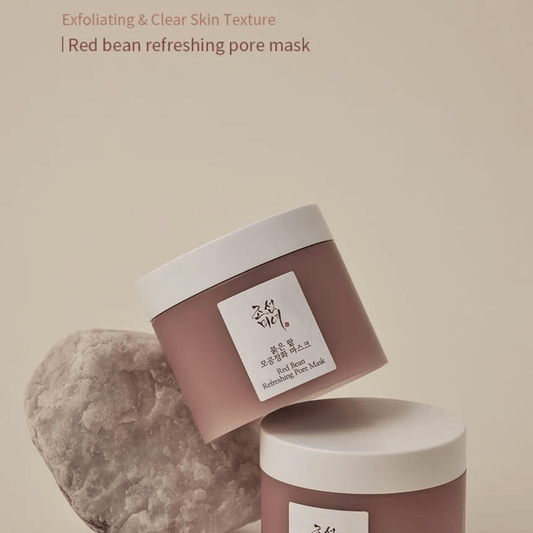
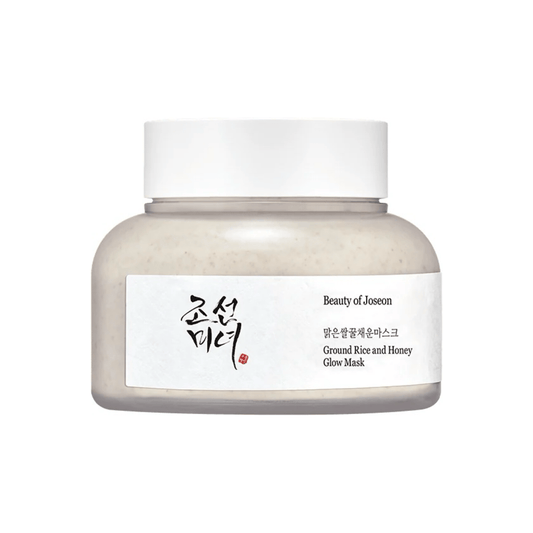
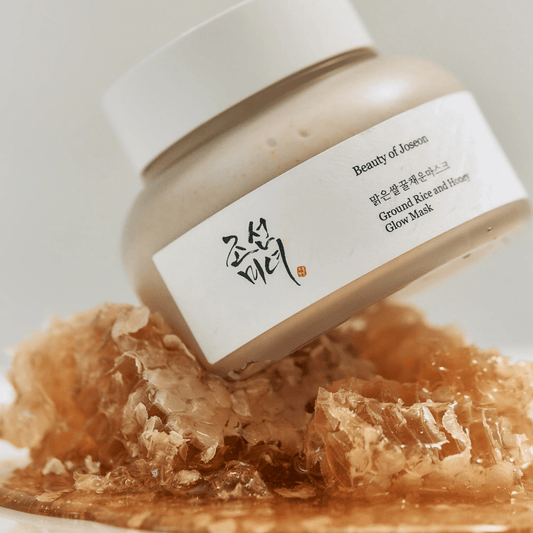


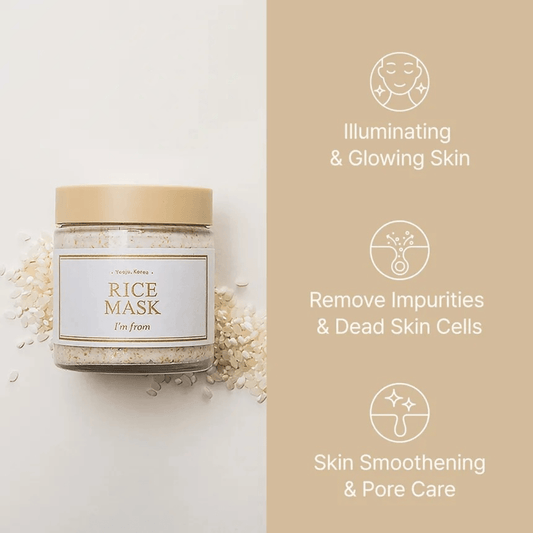


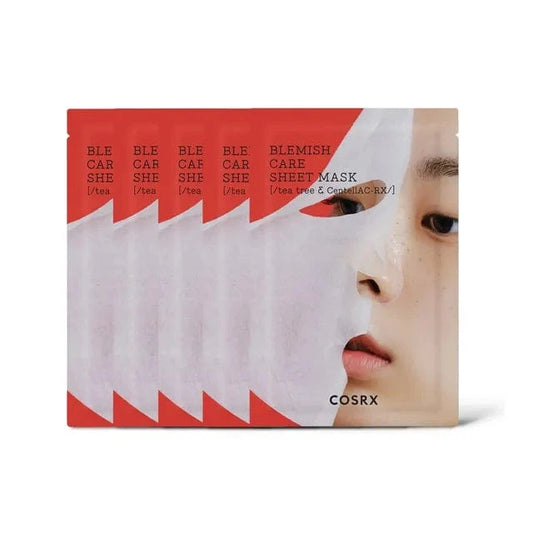

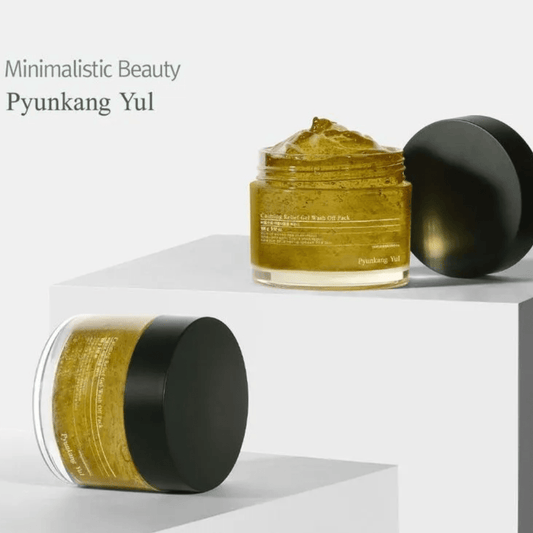
Korean Masks for Gentle Exfoliating take the K-beauty approach to skin renewal: gradually and consistently, rather than aggressively and occasionally. Gentle exfoliation removes the dead cell layer that dulls the complexion, clogs pores, and creates uneven texture, but does so without disrupting the barrier or triggering the redness and sensitivity that stronger exfoliants can cause.
Why Gentle Exfoliation Matters
The skin sheds dead cells naturally through a process called desquamation. When this slows down with age, stress, or dehydration, dead cells build up on the surface, scattering light unevenly and creating a rough, dull texture. Exfoliation accelerates this process. Gentle exfoliation does so without damaging the barrier or over-stimulating the skin: mild AHAs at 5-8% concentration, enzyme exfoliants using papain or bromelain, and peeling gels that lift cells through physical rolling rather than acid chemistry.
- Dead cell accumulation causes dullness and rough texture
- Gentle exfoliation accelerates natural cell shedding
- Low-strength AHAs dissolve bonds between dead cells
- Enzyme exfoliants break down dead cell proteins gently
Korean Exfoliation Formats
Korean peeling gels are a distinctive and gentle format. Applied to clean, dry skin, they are massaged in circular motions and the physical rolling action lifts dead cells without any acid chemistry involved. AHA wash-off masks use lactic or mandelic acid at mild concentrations for a more active approach that suits most skin types. Enzyme wash masks use fruit-derived enzymes that dissolve the protein bonds in dead cells without altering the skin's pH.
- Peeling gels for physical, acid-free exfoliation
- AHA masks for chemical cell bond dissolution
- Enzyme masks for protein-specific gentle exfoliation
- All formats work gradually with consistent weekly use
After-Care for Exfoliated Skin
After any exfoliating mask session, the skin's barrier is temporarily more permeable. The step after the mask matters as much as the mask itself. A soothing toner with centella or panthenol calms any residual reactivity. A ceramide or barrier-supporting moisturiser seals the freshly exposed skin and supports barrier recovery. Apply SPF the following morning without exception: newly exfoliated skin is more sensitive to UV and will burn more easily and produce more post-inflammatory pigmentation from any UV exposure.
- Follow with soothing toner to calm post-exfoliation reactivity
- Ceramide moisturiser seals and supports barrier recovery
- SPF the following morning is non-negotiable
- Freshly exfoliated skin is more UV-sensitive
Frequency and the Most Common Mistake
The most common mistake with exfoliating masks is using them too frequently in pursuit of faster results. Two to three sessions per week is the appropriate maximum for mild formats. One session per week is often enough for sensitive or reactive skin. Never use an exfoliating mask on the same evening as another acid or retinol step. The barrier needs time between exfoliating sessions to consolidate its recovery, and providing that space consistently produces smoother, cleaner skin over weeks than the disrupted, patchy result of daily over-exfoliation.
- Two to three times weekly is the appropriate maximum
- Once weekly is often enough for sensitive skin
- Never combine with acid or retinol the same evening
- Recovery time between sessions delivers better long-term results
Scroll up to explore the collection. Smoother skin builds with each consistent session.