














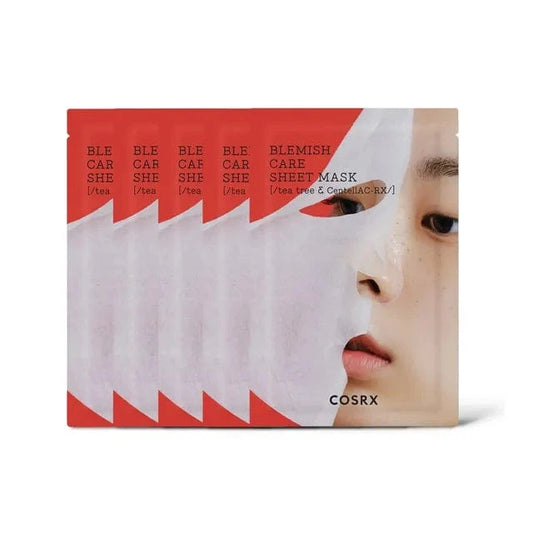
Korean Masks for Redness address one of the most visible and frustrating skin concerns: the persistent pink flush that settles on cheeks, nose, and chin and refuses to fully calm down. K-beauty has developed a comprehensive approach to redness that combines anti-inflammatory ingredients, barrier support, and gentle hydration into masks that make a visible difference with regular use.
What Causes Persistent Redness
Redness happens when blood vessels near the skin surface dilate, allowing more blood flow to become visible. Triggers include temperature changes, spicy food, certain skincare ingredients, stress, and sun exposure. A weakened skin barrier makes redness worse because irritants reach the blood vessels more easily. Chronic redness may involve persistent low-level inflammation where the immune system overreacts to minor triggers. Korean masks address both the inflammation and the barrier weakness that allows it to persist.
- Dilated blood vessels create visible flushing
- A weakened barrier makes every trigger worse
- Low-level inflammation keeps redness persistent
- Fragrance, alcohol, and heat are common triggers
Ingredients Korean Masks Use for Redness
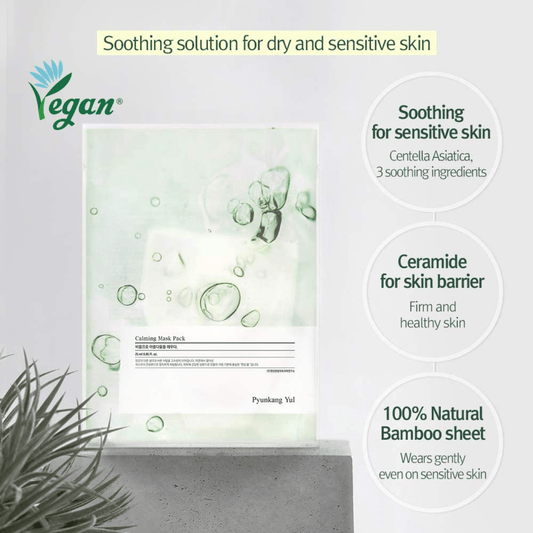
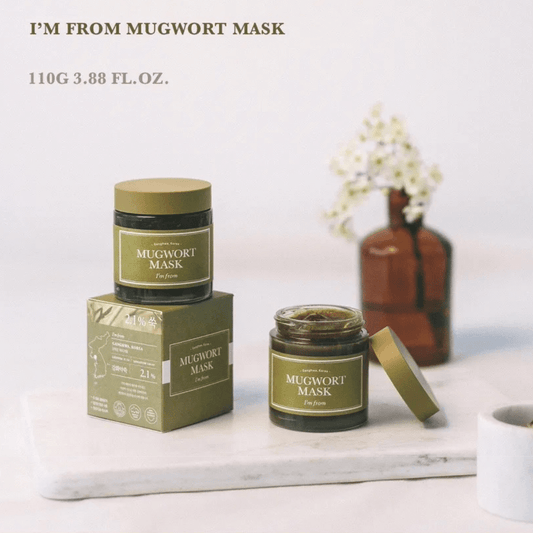
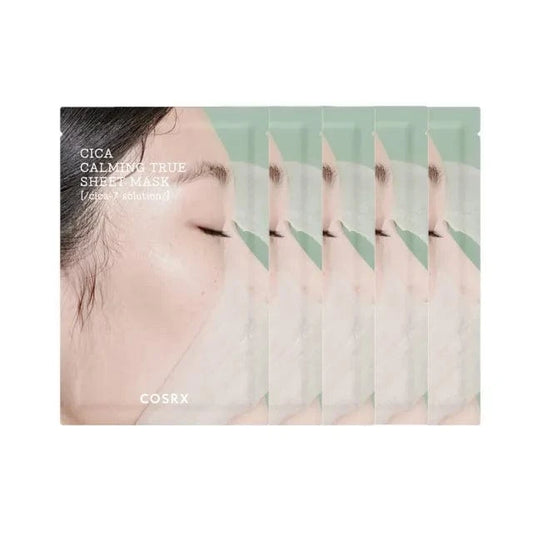
Centella asiatica (cica) is K-beauty's primary ingredient for redness. Its active compounds (madecassoside, asiaticoside) reduce inflammation, support collagen, and strengthen the barrier simultaneously. Mugwort targets pro-inflammatory cytokines that keep the skin in a heightened reactive state. Allantoin calms nerve sensitivity. Ceramides and panthenol rebuild the barrier so future triggers have a harder time getting through. Many Korean redness masks also avoid fragrance entirely, removing one of the most common aggravating ingredients.
- Centella and madecassoside for primary anti-inflammatory action
- Mugwort for cytokine suppression
- Allantoin for nerve calming
- Ceramides for barrier strengthening
Using Redness Masks Effectively
Korean Masks for Redness work best as part of a simplified, consistent routine. During a redness flare-up, reduce the routine to its gentlest basics: no exfoliants, no vitamin C, no retinol. Use a calming mask two to three times a week and follow with a ceramide-rich moisturiser. Avoid hot water when washing. Use mineral SPF rather than chemical SPF, as some chemical UV filters can irritate reactive skin. Over four to six weeks of consistent, gentle care, most persistent redness reduces noticeably.
- Simplify your routine during flare-ups
- Mask 2-3 times weekly with gentle formulas
- Follow with ceramide-rich moisturiser
- Choose mineral SPF during flare periods
Long-Term Management of Redness-Prone Skin
Redness-prone skin benefits from approaching it as a long-term management project rather than a problem to fix once and leave. The most effective strategy combines a consistent calming mask routine with a daily skincare routine that avoids known triggers, uses mineral SPF, and includes barrier-supporting ingredients in both morning and evening products. Over six to twelve months of this approach, the baseline redness in the skin typically reduces as the barrier strengthens and the inflammatory response becomes less easily triggered. The goal is not to reduce flushing entirely, which is not possible for vascular skin, but to raise the trigger threshold so that reactions are less frequent and less intense.
- Long-term management is more effective than short-term fixes
- Consistent SPF reduces UV-triggered vascular response
- Raising the trigger threshold takes six to twelve months
- The goal is less frequent, less intense reactions over time
Scroll up to explore the collection. Calm, comfortable skin is the goal with every mask in this range.