

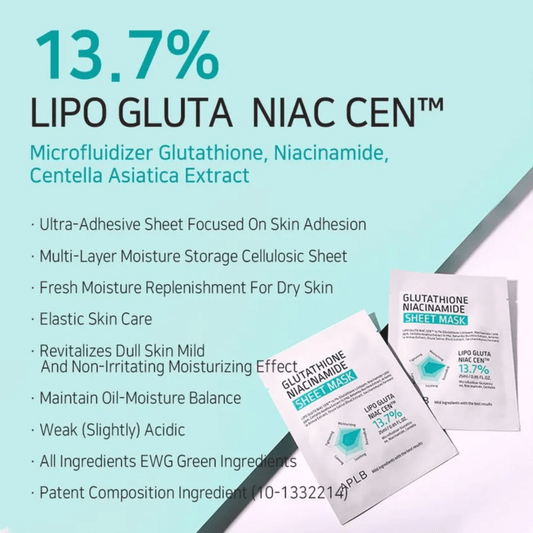


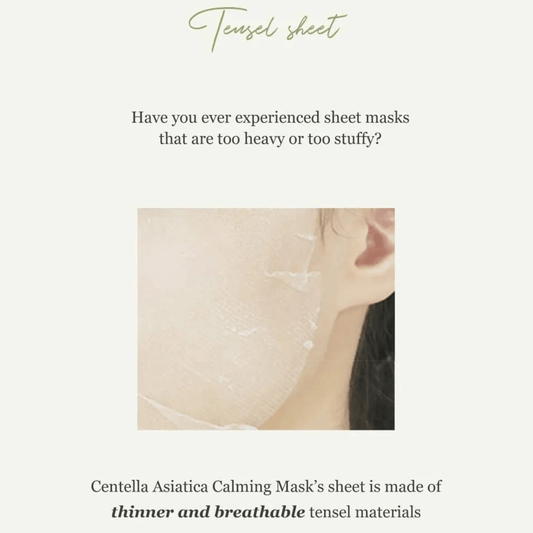

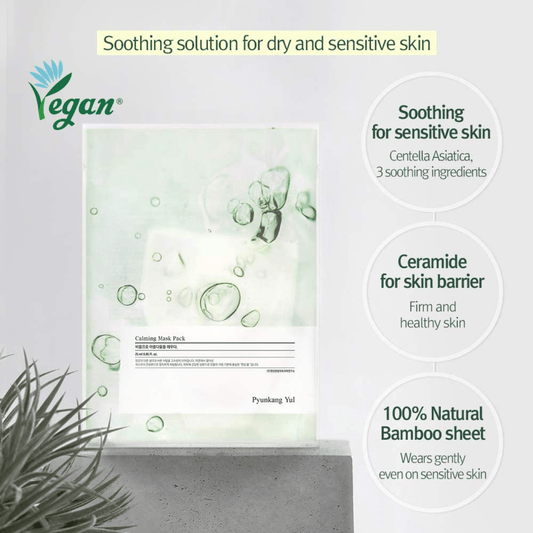


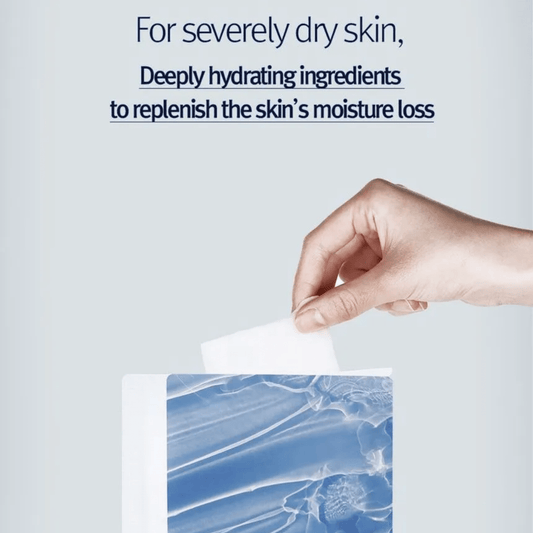

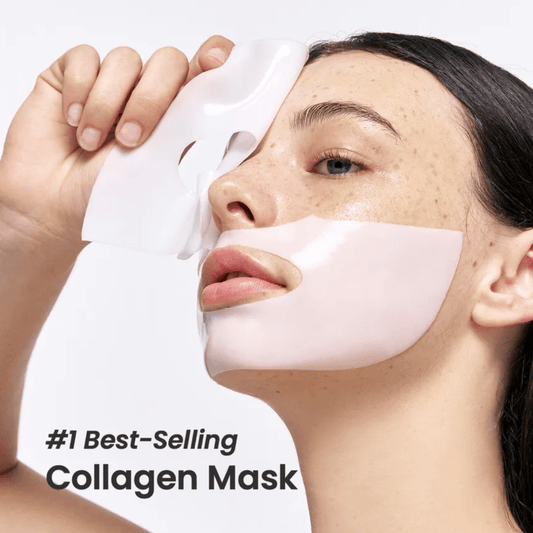

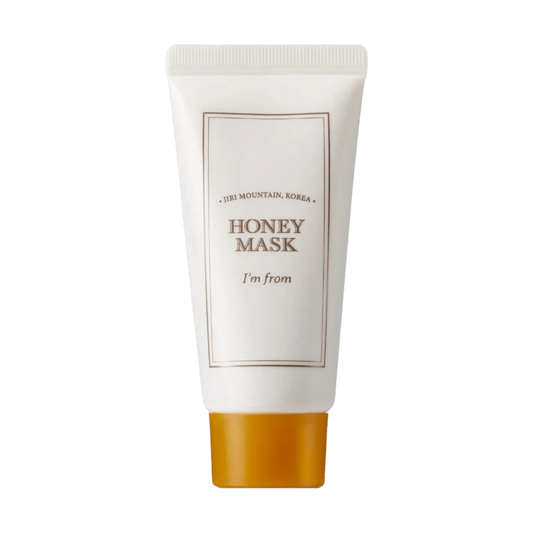

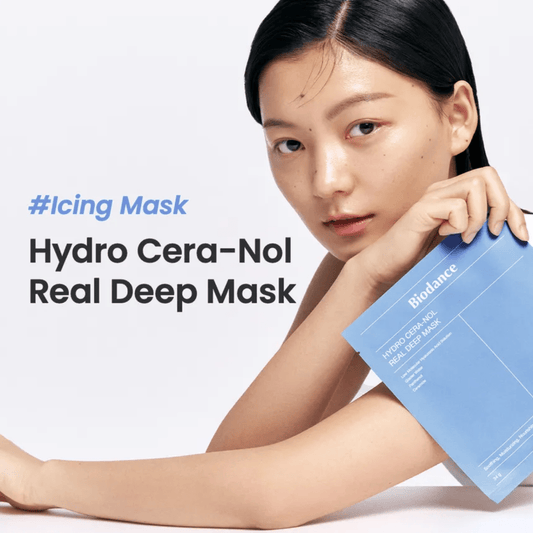


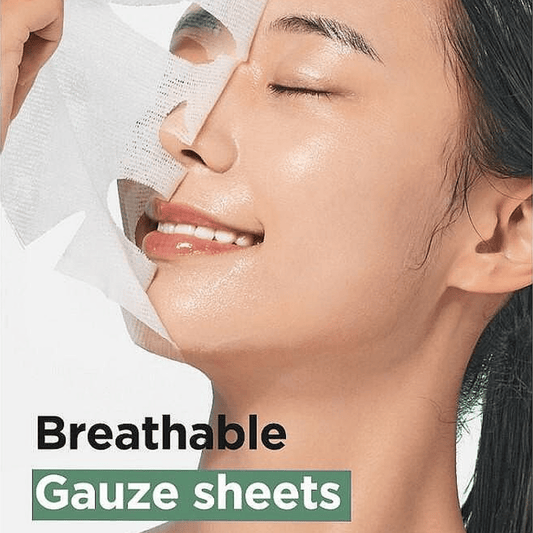

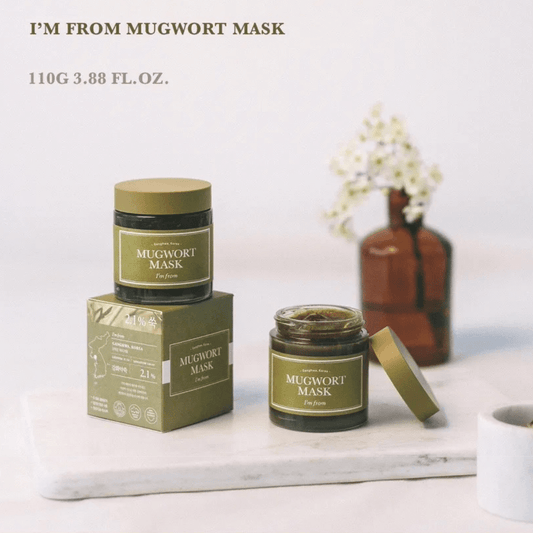

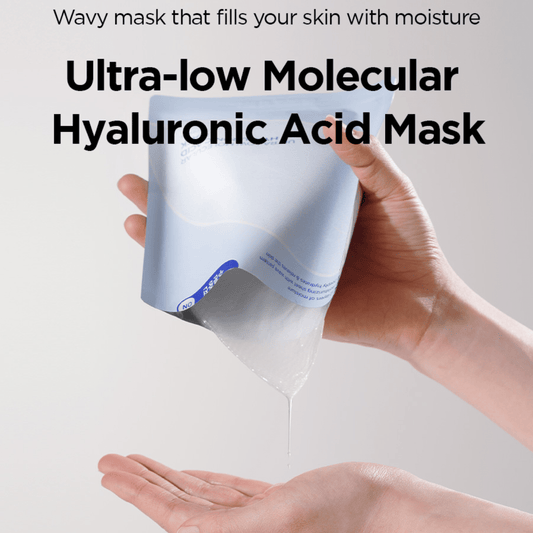


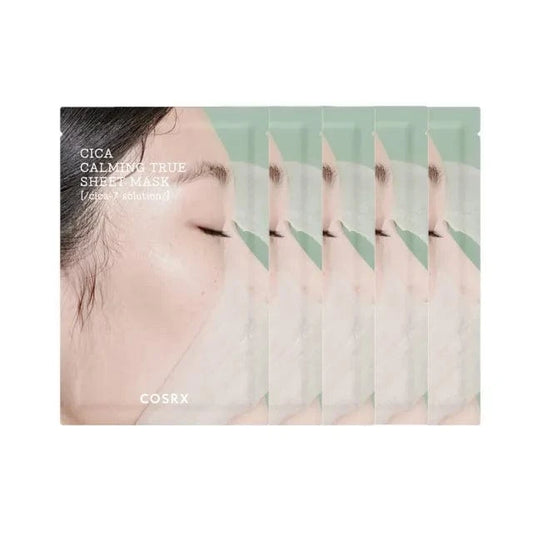
Korean Masks for Barrier Repair target one of the most common skincare problems: a barrier that has been weakened by too many actives, too frequent exfoliation, or simply the wrong products. When the barrier is damaged, everything feels worse. Products sting that never stung before. Skin flushes for no reason. Moisture escapes and dryness sets in even after moisturising. These masks stop that cycle and give the barrier what it needs to recover.
Signs of a Damaged Barrier
A compromised barrier shows itself in recognisable ways. Products that were once comfortable suddenly sting or feel hot. The skin looks red and feels tight at the same time. New spots appear in areas that do not usually break out. The skin feels worse after washing and does not fully recover during the day. If this sounds familiar, the barrier needs support before the routine returns to normal. Simplifying and masking is the fastest path forward.
- Stinging from products that never caused irritation before
- Persistent redness alongside tightness
- Spots in unusual areas from increased permeability
- Slow recovery after cleansing
Ingredients That Rebuild the Barrier
The skin barrier is built from ceramides, cholesterol, and fatty acids in a specific ratio. Barrier repair masks replenish these lipids directly. Centella and madecassoside reduce inflammation while rebuilding happens. Panthenol accelerates cell renewal and calms the inflammatory signal that keeps reactive skin in a heightened state. Hyaluronic acid provides water without adding any active challenge to the barrier. Together, these ingredients work as a full barrier recovery protocol in mask format.
- Ceramides for structural lipid replenishment
- Centella and madecassoside for repair and calm
- Panthenol for cell renewal support
- Hyaluronic acid for hydration without irritation
Recovery Protocol with Barrier Masks
During barrier recovery, simplify the routine entirely. Stop all actives (AHAs, BHAs, retinol, vitamin C) until the skin stops stinging. Use a gentle cleanser, a calming toner, and Korean Masks for Barrier Repair three to four times a week. After the mask, apply a ceramide-rich moisturiser. Once the skin stops stinging from your basic routine, begin reintroducing actives one at a time with at least two weeks between each addition.
- Stop all actives during recovery
- Mask 3-4 times weekly in recovery phase
- Follow with ceramide-rich moisturiser
- Reintroduce actives one at a time after recovery
Keeping the Barrier Strong After Recovery
Once the barrier has recovered, building habits that prevent a repeat is as valuable as the recovery itself. The most common causes of barrier disruption are using too many actives at once, increasing acid concentration too quickly, and not supporting the skin with barrier-friendly products between active steps. A weekly ceramide mask used as maintenance, rather than only in reaction to damage, provides a consistent lipid top-up that keeps the barrier in better condition long-term. Barrier-strong skin handles actives, weather changes, and stress more comfortably than skin that is repeatedly depleted and recovered.
- Weekly ceramide mask prevents slow barrier depletion
- Avoid using too many actives simultaneously
- Increase concentrations gradually over time
- Maintenance masking is more efficient than recovery masking
Browse the collection above and find the mask your barrier needs right now. Recovery starts with the next use.