

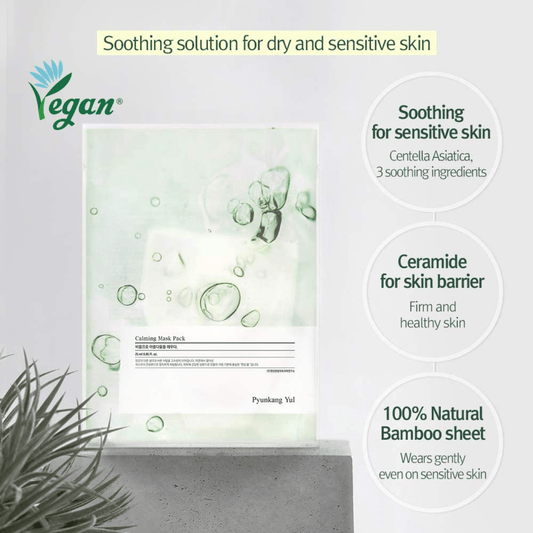

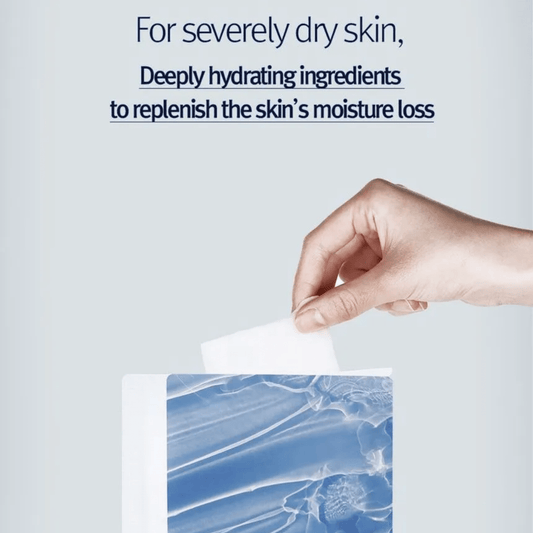

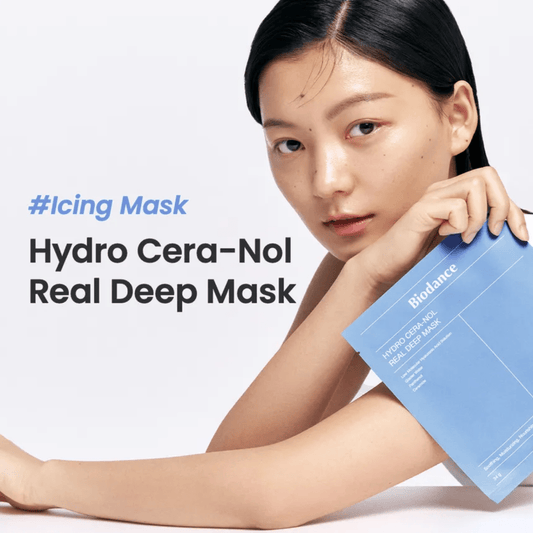

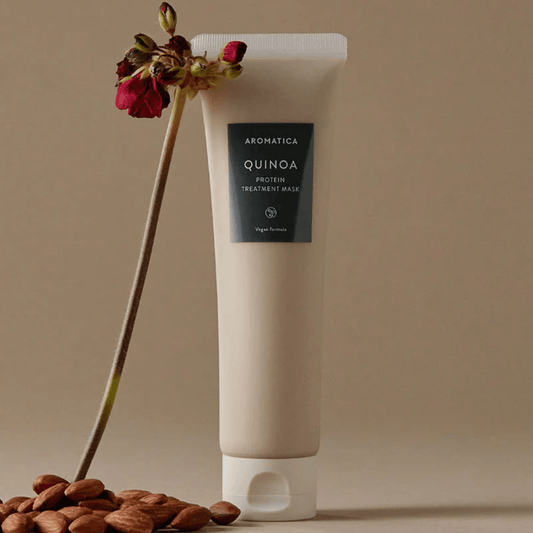


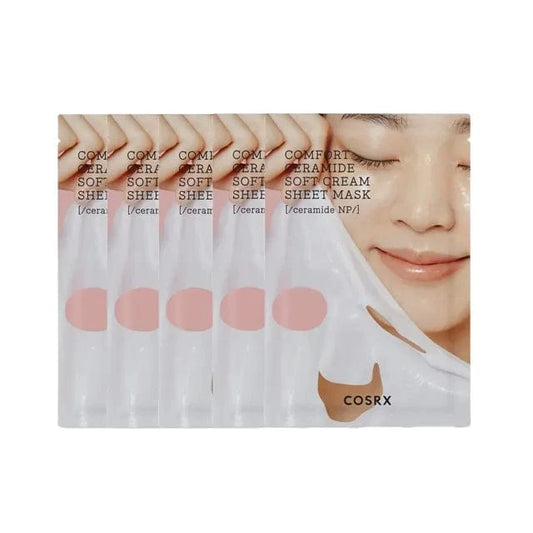
Korean Masks with Ceramide directly replenish the most important structural component of the skin barrier. Ceramides make up roughly 50% of the lipid matrix that holds skin cells together and prevents moisture loss. When ceramide levels drop, the barrier weakens and everything else becomes harder: hydration does not hold, actives irritate more easily, and the skin reacts to triggers it would otherwise tolerate comfortably.
What Ceramides Do
Ceramides are waxy lipid molecules that sit between skin cells in the outermost skin layer like mortar between bricks. They form a waterproof, protective seal that keeps moisture in and irritants and bacteria out. As skin ages, ceramide levels naturally decline. Harsh cleansers, over-exfoliation, cold weather, and certain medical conditions also deplete ceramide content. Topical ceramides integrate into this lipid matrix and restore barrier function. They work best in formulas that also include cholesterol and fatty acids, which together replicate the skin's natural lipid ratio.
- Ceramides form the waterproof barrier between skin cells
- Depleted by ageing, harsh products, and cold weather
- Topical ceramides integrate into the lipid matrix
- Work best alongside cholesterol and fatty acids
When Ceramide Masks Are Most Valuable
Ceramide masks are most valuable for skin that has a compromised barrier: skin that stings from products it once tolerated, feels persistently dry despite moisturising, or reacts to weather and temperature changes more than it should. They are also valuable as a preventive step in routines that include regular exfoliants or retinol, which temporarily challenge the barrier. A ceramide mask session after an exfoliation evening speeds barrier recovery and reduces the risk of cumulative barrier depletion over time.
- Compromised or reactive skin needs direct ceramide support
- Use after exfoliation evenings to speed barrier recovery
- Valuable in retinol routines as a protective step
- Prevents cumulative barrier depletion over time
Routine and Frequency
Korean Masks with Ceramide work best used two to three times a week in the evening. Apply after cleansing and toning, leave for the recommended time, and follow with a ceramide-rich moisturiser to reinforce the barrier work done during the mask session. During active barrier recovery (after a reaction or procedure), increase to four sessions per week until the skin has stabilised, then return to a maintenance frequency of two to three times weekly.
- Use 2-3 times weekly in the evening
- Follow with ceramide-rich moisturiser
- Increase to 4 times weekly during active recovery
- Combine with a gentle, non-stripping daily routine
Ceramide Masks as the Anchor of a Barrier-Focused Routine
For skin that uses actives regularly, a ceramide mask serves as the anchor of a barrier-focused weekly routine. On active evenings (retinol, acids), the skin is usefully challenged but temporarily weakened. On ceramide mask evenings, the barrier is deliberately replenished and supported. This alternating rhythm, challenge and support, is how a well-maintained active routine avoids the cumulative depletion that causes actives to become less tolerable over time. Building a ceramide mask session into the week as a fixed practice, rather than reaching for it only when something goes wrong, is the approach that produces the most stable, resilient skin long-term.
- Alternating active evenings with ceramide mask sessions builds resilience
- Challenge and support rhythm prevents cumulative depletion
- Fixed weekly practice more effective than reactive use
- Most stable skin comes from consistent proactive barrier care
Browse the collection above. Your barrier rebuilds with each consistent ceramide masking session.