
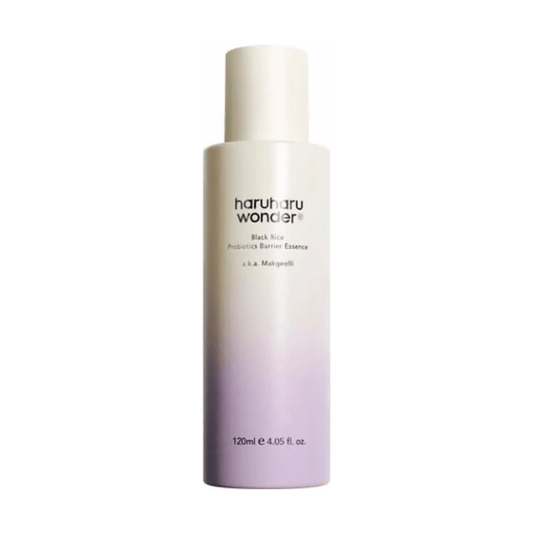
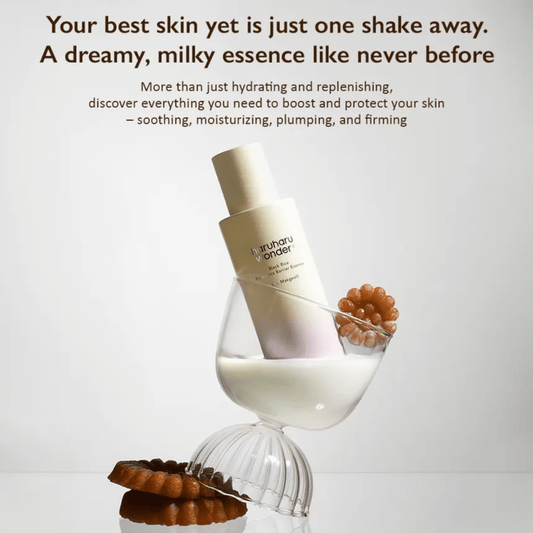

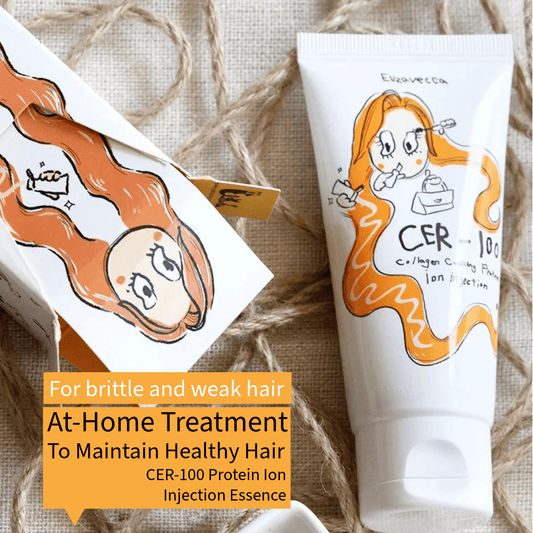
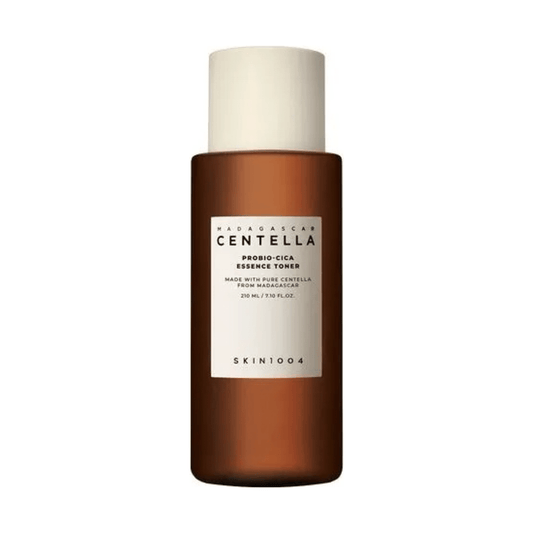
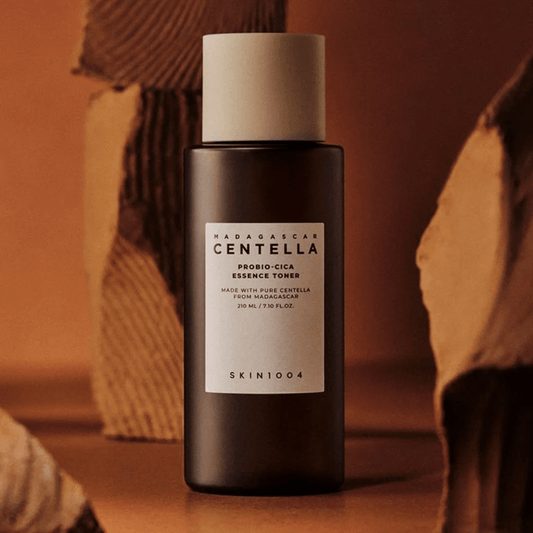

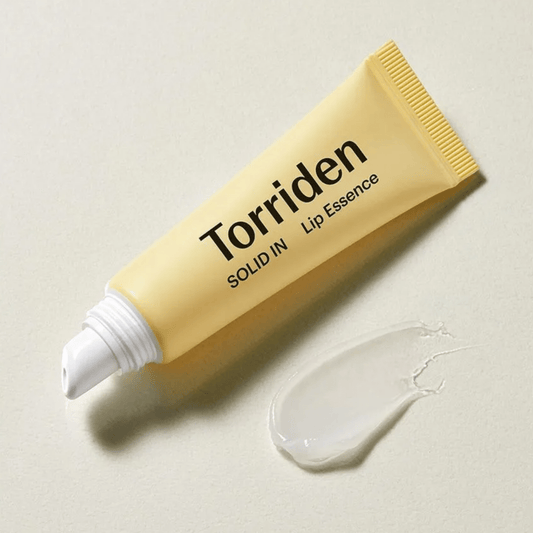
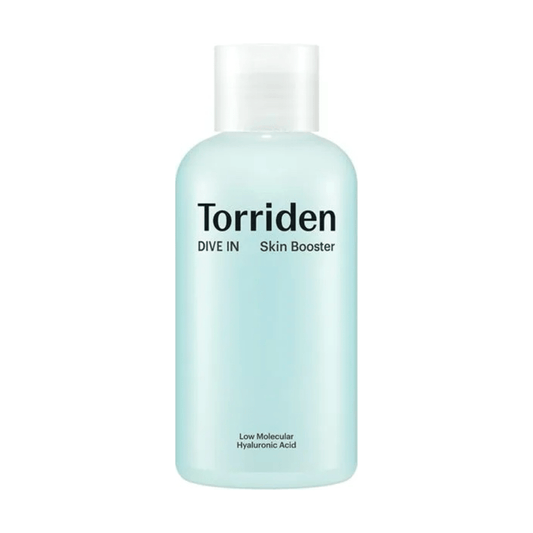
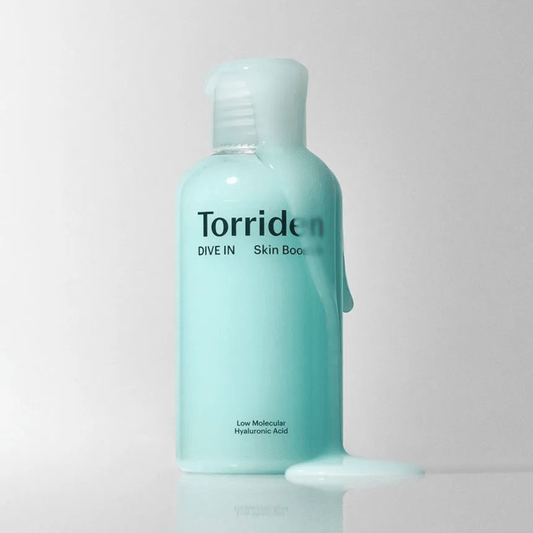
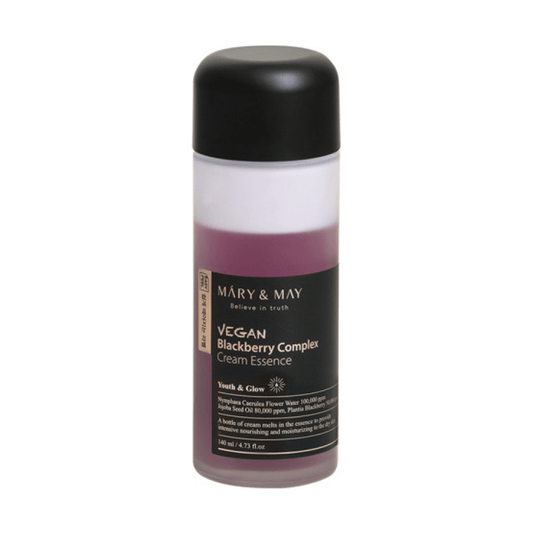
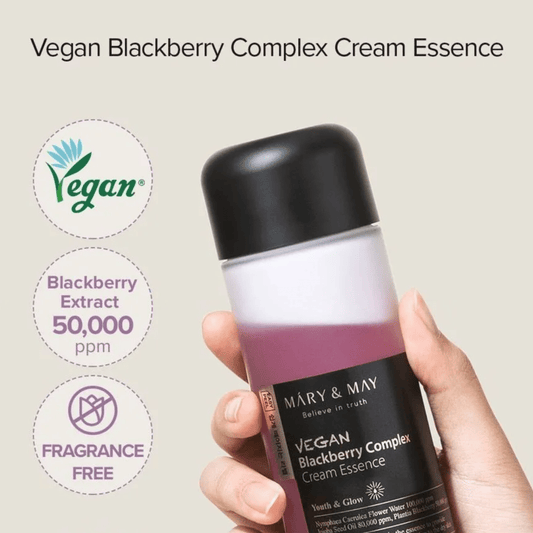
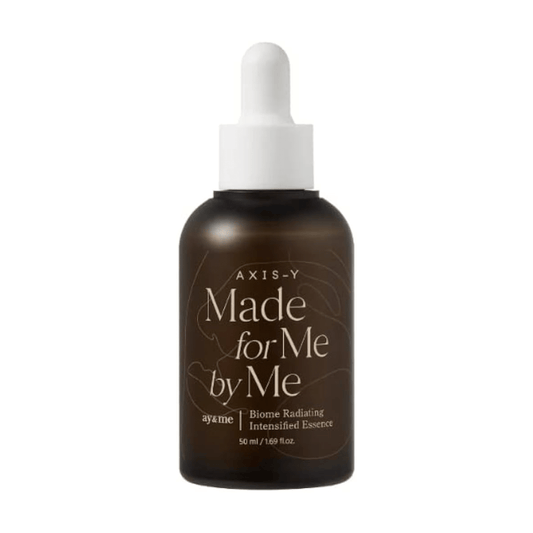
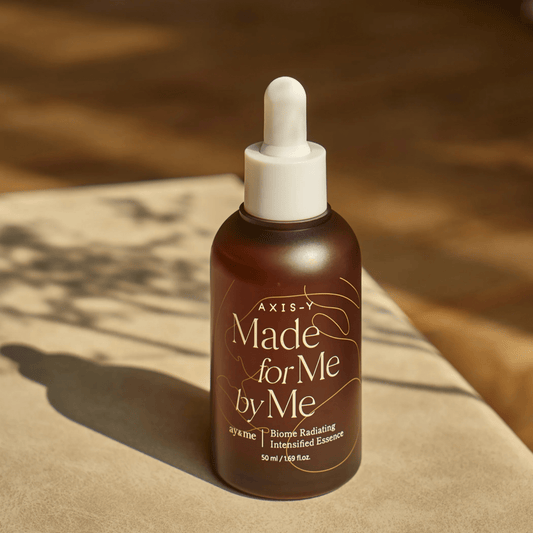

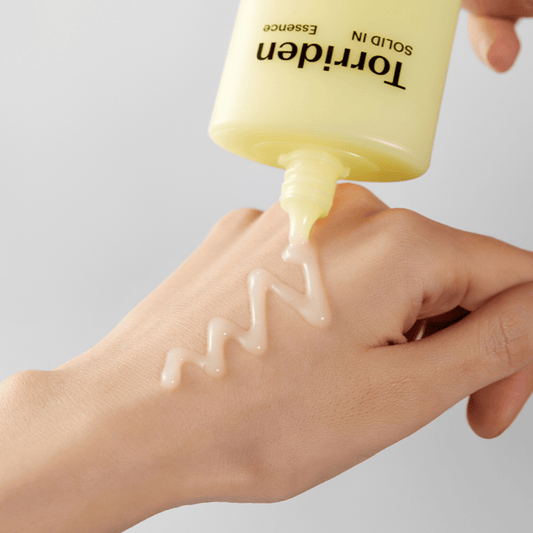
Korean Essences with Ceramide deliver one of the skin barrier's most important structural components in a lightweight, fast-absorbing format. Ceramides are lipid molecules that fill the gaps between skin cells in the outermost layer, forming a seal that keeps moisture in and irritants out. In an essence, they can reach the barrier before heavier products are applied, giving them the most direct route to where they are most needed.
How Ceramide Supports the Skin Barrier
The skin barrier is sometimes described as a brick wall, skin cells are the bricks and the lipid matrix, including ceramides, is the mortar. Ceramides make up roughly half of this lipid matrix by weight, which means they are the single most important component. When ceramide levels drop, through ageing, over-washing, harsh products, or skin conditions like eczema, the barrier develops gaps. Through these gaps, water escapes and irritants enter, causing dryness, sensitivity, and reactivity. Replacing ceramides through topical application restores the barrier's ability to hold moisture and resist external triggers. An essence delivers them in a thin, fast-absorbing base that places them in the barrier quickly before a cream or oil seals everything in.
- Ceramides form roughly half of the barrier's lipid matrix
- Gaps in ceramide levels cause dryness and increased reactivity
- Topical ceramides help restore barrier function
- Essence format delivers them before heavier products are applied
Ceramide Alongside Other Barrier Ingredients
Ceramides work best when formulated alongside cholesterol and fatty acids in a ratio that mirrors the skin's natural lipid profile. The ideal ratio studied in barrier research is approximately 3:1:1 (ceramide:cholesterol:fatty acids). Products that combine these three components together are more effective at barrier repair than those using ceramides alone. Panthenol is another ingredient that works well alongside ceramides because it addresses the inflammatory component of barrier disruption while the ceramides address the structural component. Hyaluronic acid provides the water-based hydration that the ceramide barrier is then able to hold in.
- Most effective when combined with cholesterol and fatty acids
- Ideal ratio is approximately 3:1:1 in research
- Panthenol addresses inflammation while ceramides address structure
- Hyaluronic acid provides the water that the repaired barrier holds in
Which Skin Types Benefit Most From a Ceramide Essence
Every skin type has a barrier that benefits from ceramide support, but some situations make it particularly important. Eczema-prone skin has a genetic ceramide deficiency that makes supplementation through skincare consistently helpful. Mature skin produces fewer ceramides with age, so replenishing them is an important part of an anti-ageing routine. Skin that has been over-exfoliated or exposed to harsh surfactants depletes its ceramide levels quickly and responds well to a daily ceramide step. Dry skin in cold or dry climates also benefits year-round because low humidity constantly pulls moisture through a barrier that already has limited ceramide density.
- Eczema-prone skin has a genetic ceramide deficit that topical use helps
- Mature skin produces fewer ceramides and benefits from daily replenishment
- Over-exfoliated skin responds quickly to a ceramide repair step
- Dry skin in cold climates benefits year-round
Browse the range above. A ceramide essence is one of the most structurally sound steps in any routine focused on barrier health, and its benefit compounds over time with consistent daily use.