
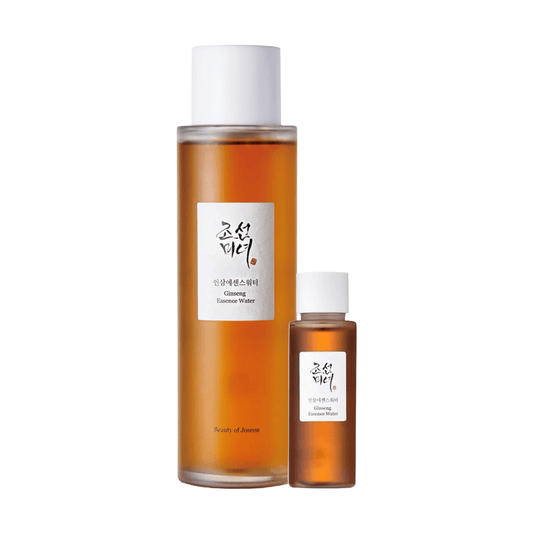
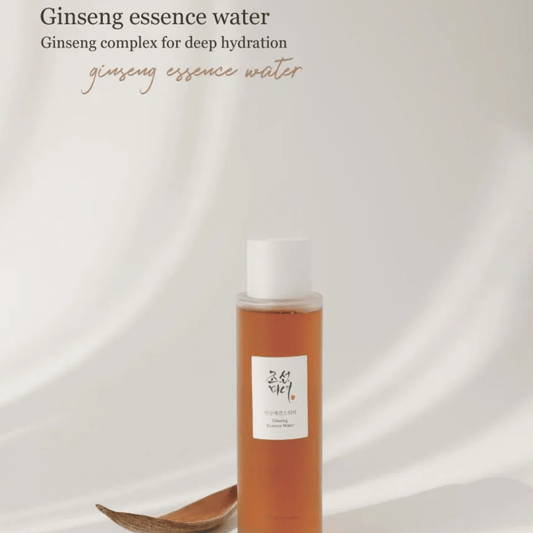

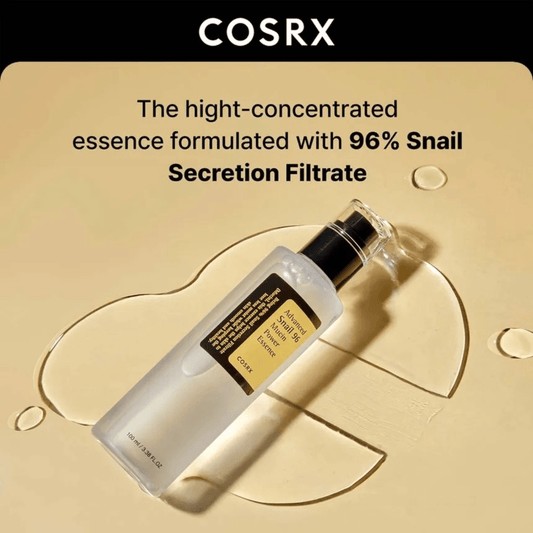
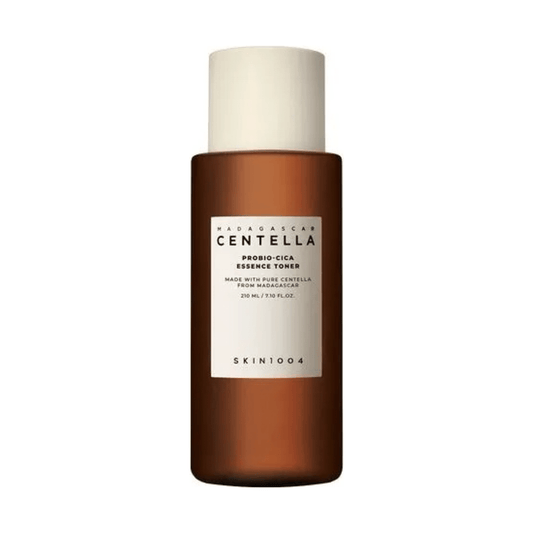
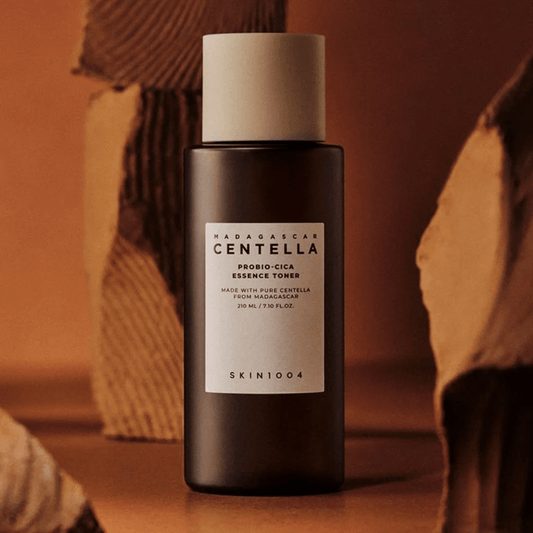


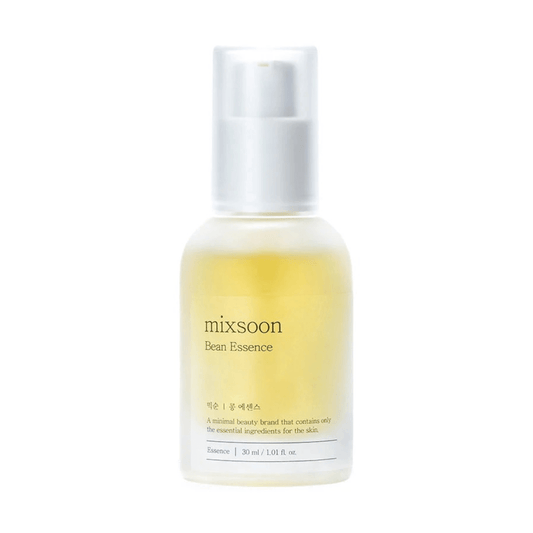
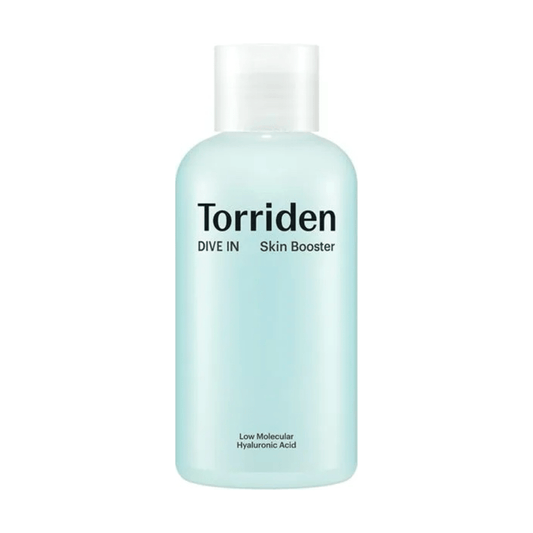
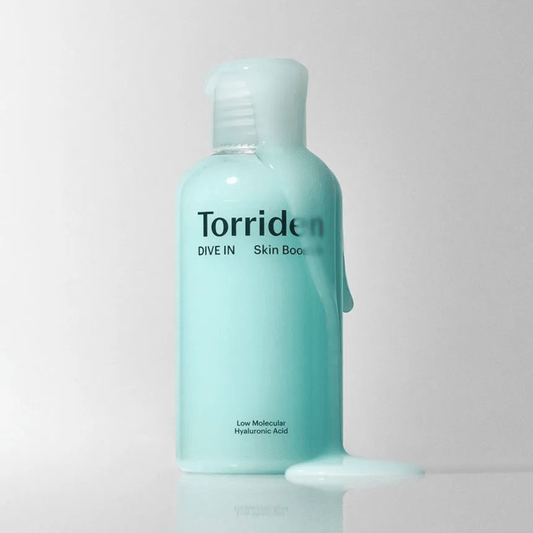

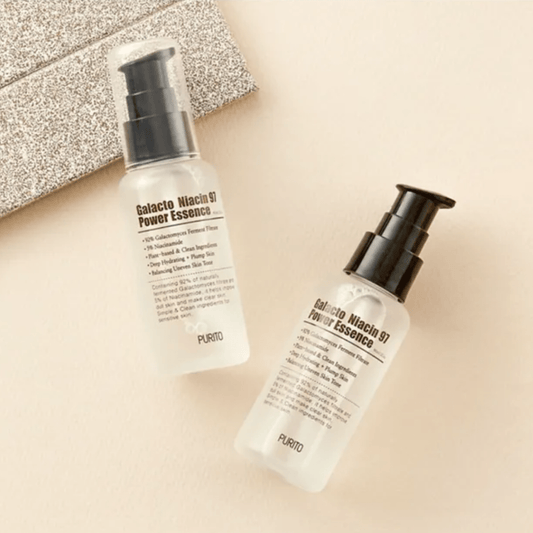


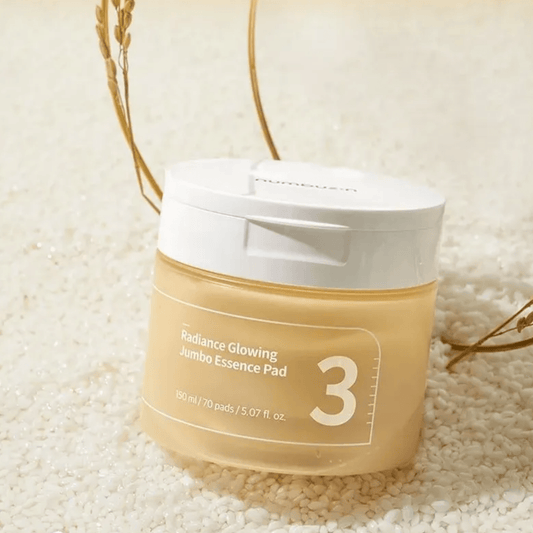
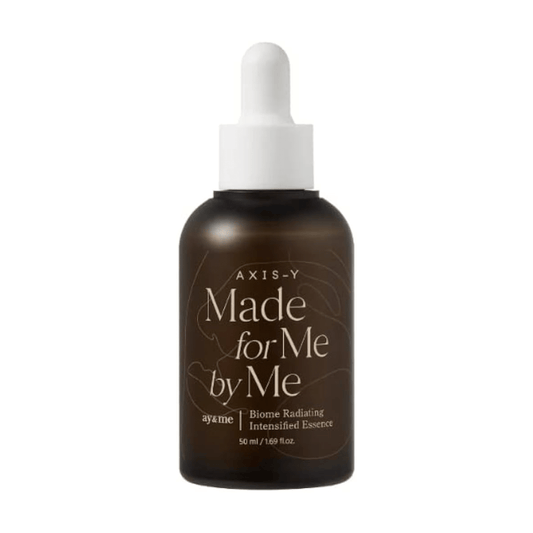
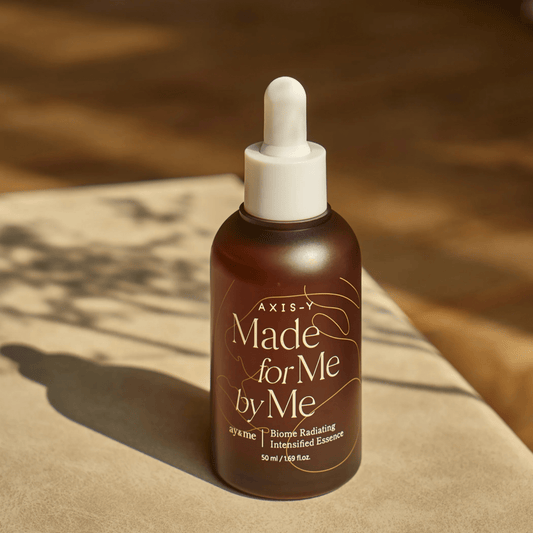
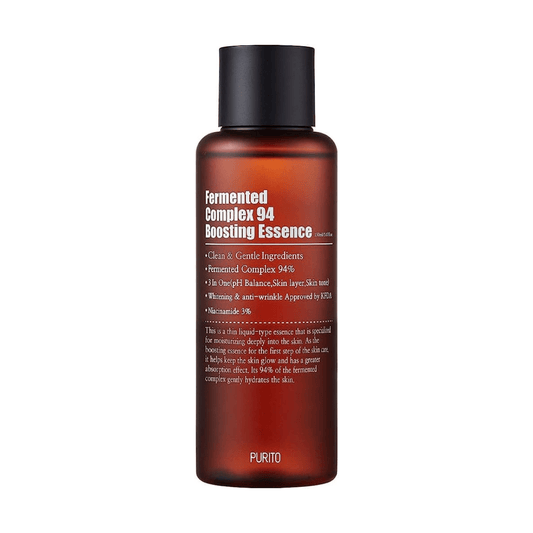
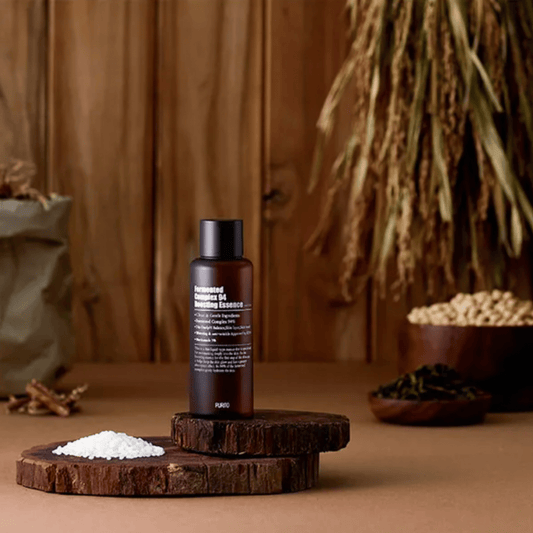

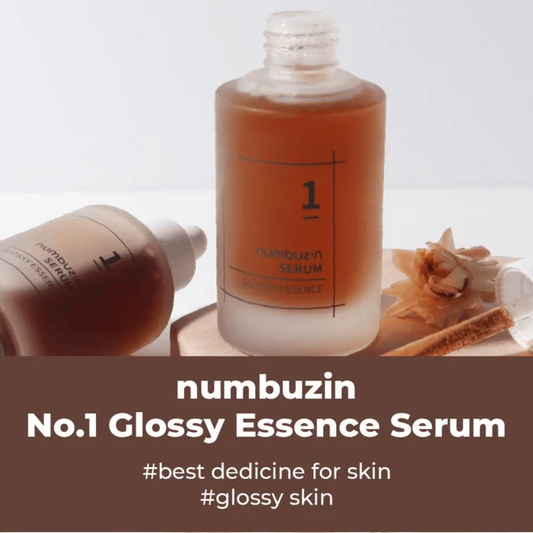

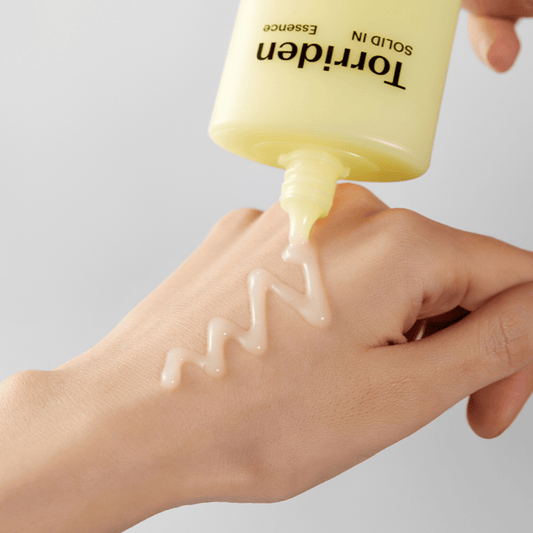

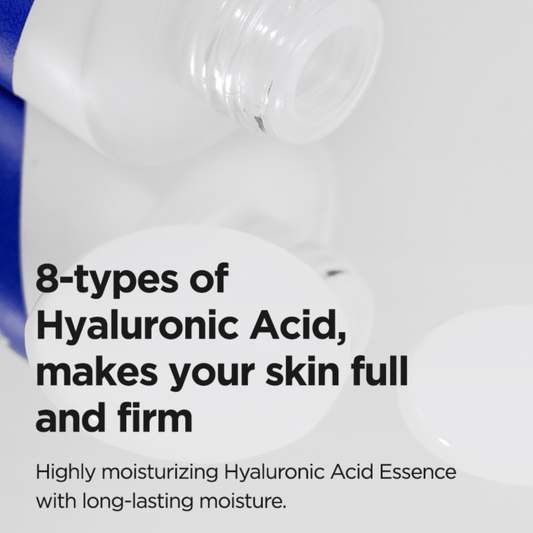

Korean Essences for Barrier Repair are designed for skin that is clearly not coping, skin that stings on water contact, flushes without an obvious cause, or feels rough and tight despite consistent moisturising. Barrier repair is a priority before anything else in a routine, and an essence formulated for this purpose delivers the lipid and moisture-binding ingredients the barrier needs in a fast-absorbing format that does not require stopping the rest of your routine.
Understanding What Barrier Repair Requires
The skin barrier is composed of skin cells held together by a lipid matrix, primarily ceramides, cholesterol, and fatty acids in a specific ratio. When this ratio is disrupted by over-exfoliation, harsh surfactants, cold weather, or sensitising ingredients, the barrier cannot hold moisture effectively and becomes permeable to irritants. Barrier repair means replenishing these lipid components and giving the skin the conditions it needs to rebuild. An essence formulated for repair delivers ceramides at a concentration the skin can use quickly, alongside panthenol and glycerin to draw and hold moisture while the structural repair takes place. The lightweight format means the ingredients arrive before heavier creams or oils that seal them in.
- Ceramides replenish the barrier's primary structural lipid
- Cholesterol and fatty acids complete the lipid ratio
- Panthenol calms inflammation while supporting repair
- Glycerin draws moisture in while the barrier is being rebuilt
How an Essence Differs From a Cream for Repair
A barrier repair cream works primarily by forming a physical seal that prevents moisture from escaping. An essence works differently, it delivers active ingredients into the outer layers of the skin where they are most needed before the cream is applied. The combination of both is more effective than either alone. Applying a barrier-repair essence first ensures that the repair ingredients reach the barrier, then a cream or moisturiser seals them in and prevents further water loss. Skipping the essence and using only cream means the repair ingredients need to travel through a heavier base to reach the skin, which is less efficient.
- Essence delivers repair ingredients into the barrier first
- Cream seals in the ingredients and prevents water loss
- Using both together is more effective than either alone
- Do not skip the essence when barrier repair is the goal
How Long Barrier Repair Takes
The skin barrier begins to recover within days of removing the irritant and starting a repair-focused routine, but full recovery depends on how disrupted it was. Mild disruption from a single harsh product resolves in one to two weeks of consistent repair care. Significant disruption from over-exfoliation or extended use of sensitising ingredients can take four to eight weeks. During this period, keeping the routine simple is important: a gentle cleanser, a barrier-repair essence, and a plain moisturiser. Reintroducing strong actives too quickly will slow or reverse the repair, so patience gives the best long-term outcome.
- Mild disruption recovers in 1-2 weeks with consistent care
- Significant disruption takes 4-8 weeks
- Keep the routine simple: cleanser, repair essence, moisturiser
- Reintroduce actives slowly after the barrier feels stable
Browse the full range above. If your skin is showing clear signs of barrier disruption, starting with a dedicated repair essence is the most direct way to begin the recovery. Everything else in your routine will work better once the barrier is stable.