

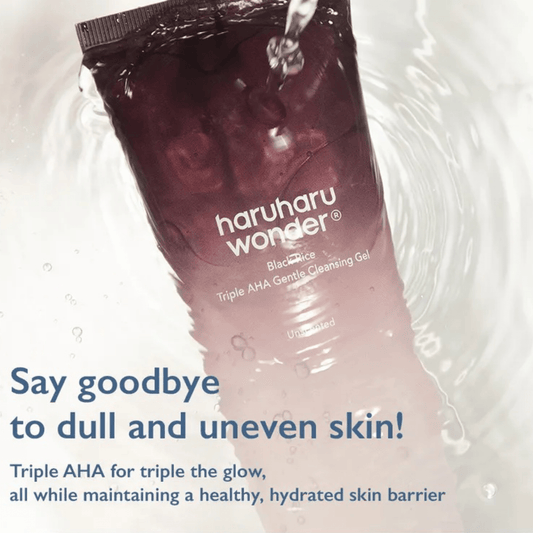

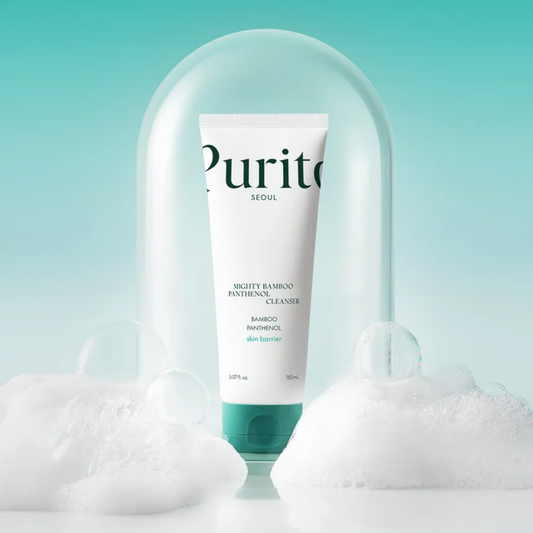

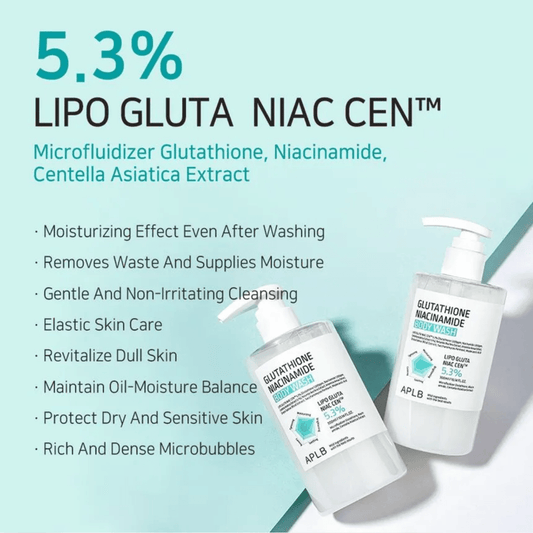


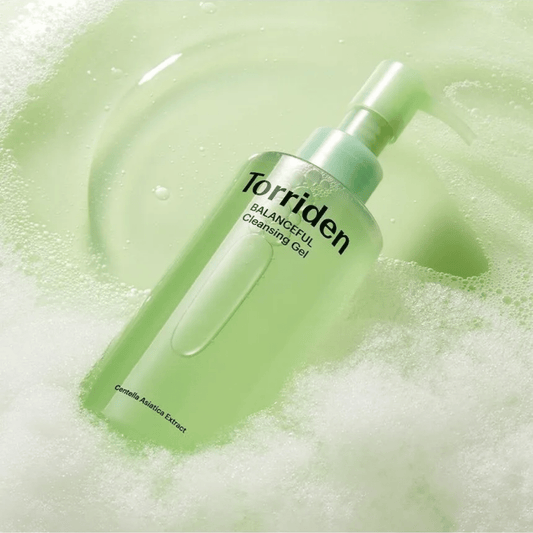

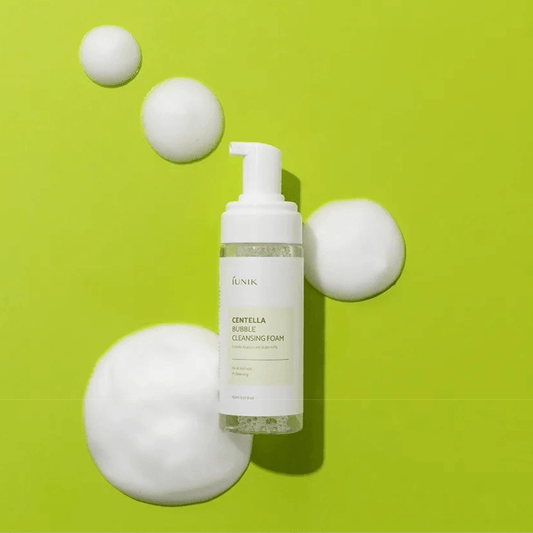

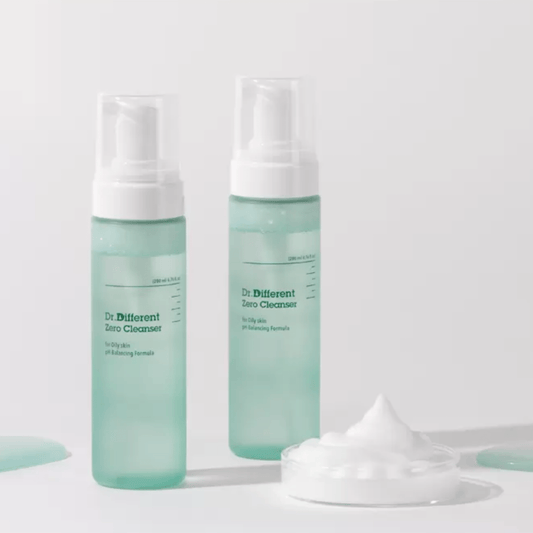


Korean Cleansers - Fungal Acne Safe address a specific and often misunderstood concern: breakouts that look like typical acne but are caused by malassezia yeast rather than bacteria. These breakouts do not respond to standard blemish treatments and often worsen with ingredients that feed the yeast. The right cleanser removes those triggers while keeping the skin clean and balanced.
Ingredients a Fungal Acne Safe Cleanser Should Avoid
Malassezia feeds on certain fatty acids found in oils and oil-derived ingredients. Esters, most plant oils, and fermented ingredients can all fuel the yeast. Honey, algae extracts, and some polysorbates are also flagged as potentially problematic. A fungal acne safe cleanser avoids this list by using confirmed safe alternatives: water-based humectants like glycerin and hyaluronic acid, and simple surfactants that do not contain oil-feeding fatty acids in their composition. Fungal acne, correctly called pityrosporum folliculitis, results from malassezia yeast overgrowth in hair follicles rather than bacterial infection. Malassezia feeds specifically on fatty acids with carbon chain lengths of C11 to C24, meaning that most common plant oils directly worsen the condition.
- Avoid plant oils and oil-derived esters
- Avoid fermented ingredients, they feed the yeast
- Honey and algae commonly flagged as problematic
- Safe alternatives: glycerin, hyaluronic acid, simple surfactants
How to Tell if a Cleanser Is Truly Safe
The most reliable method is checking ingredient lists against established fungal acne safe resources. Look for cleansers that are either certified or community-verified as safe. Gel and foam formats are typically more fungal acne friendly than cream and balm textures, which tend to be oil-rich. If breakouts worsen after switching to a new cleanser, cross-check the ingredient list. Malassezia-related breakouts respond noticeably within two to four weeks once trigger ingredients are removed. Fungal acne, correctly called pityrosporum folliculitis, results from malassezia yeast overgrowth in hair follicles rather than bacterial infection. Malassezia feeds specifically on fatty acids with carbon chain lengths of C11 to C24, meaning that most common plant oils directly worsen the condition.
- Check against verified fungal acne safe ingredient resources
- Gel and foam formats tend to be safer than creams
- Cream and balm textures are often oil-rich
- Improvement within two to four weeks if triggers removed
Long-Term Maintenance After Clearing
Continuing with a fungal acne safe cleanser after the skin has cleared is the simplest way to prevent recurrence. Malassezia is always present on the skin, the goal is managing conditions that prevent its overgrowth. A consistent fungal acne safe cleanser is the most reliable preventative step available. It requires no extra routine steps and provides a sustainable, long-term approach to skin that has struggled with recurring yeast-related breakouts over time. Fungal acne, correctly called pityrosporum folliculitis, results from malassezia yeast overgrowth in hair follicles rather than bacterial infection. Malassezia feeds specifically on fatty acids with carbon chain lengths of C11 to C24, meaning that most common plant oils directly worsen the condition.
- Continue safe cleanser even after skin clears
- Malassezia is always present, manage conditions
- Consistent cleanser is the best preventative step
- No extra routine steps required for prevention
Browse the collection above. The right cleanser is where fungal acne safe care begins and is sustained.