

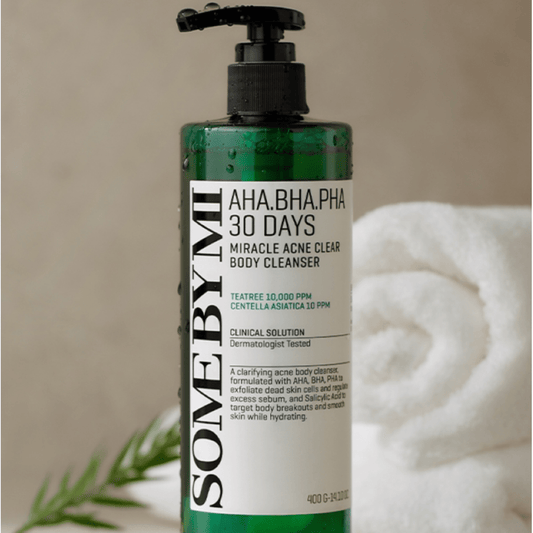

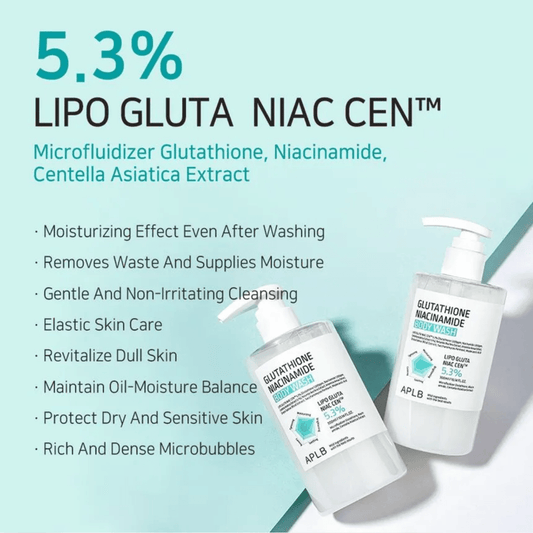

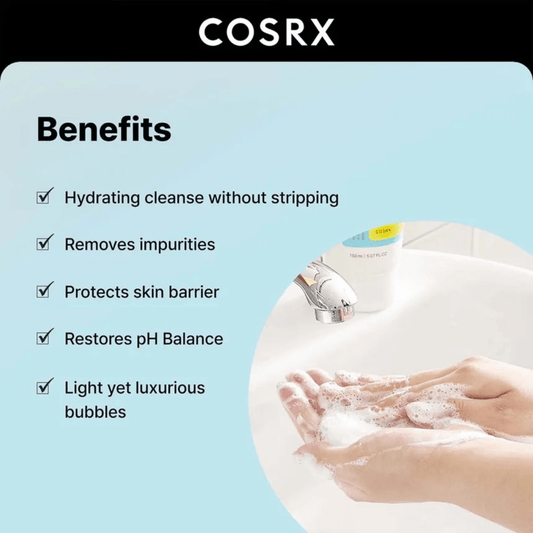


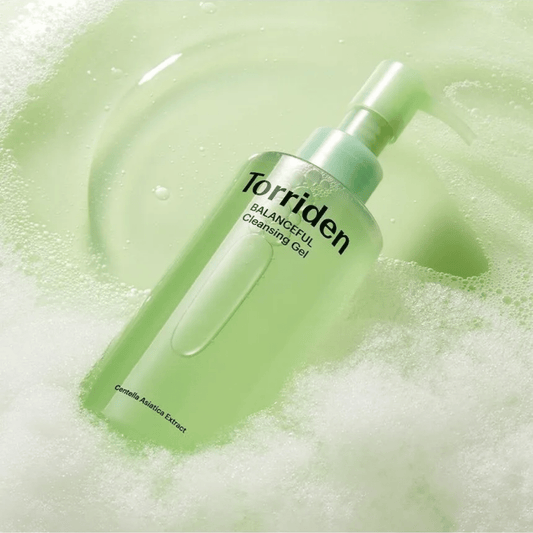

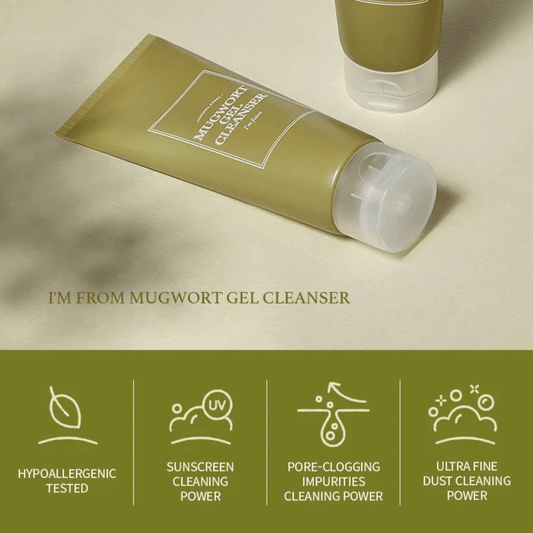

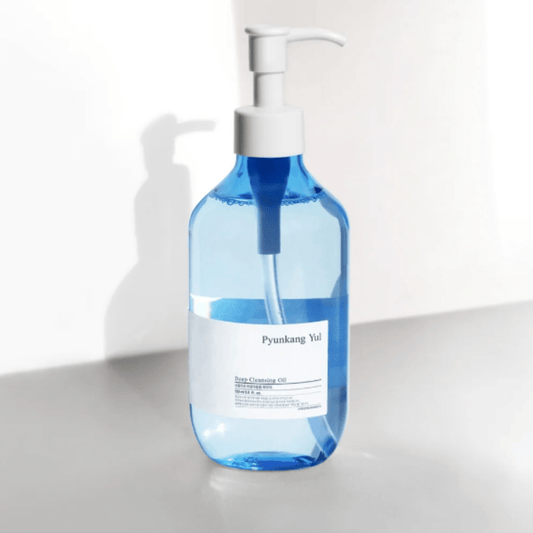

Korean Cleansers for Antimicrobial address blemish-prone skin at the source: the bacterial activity on the skin surface that plays a role in breakout formation. These cleansers reduce that activity consistently, using ingredients with antimicrobial properties at concentrations appropriate for daily use, effective enough to matter, gentle enough for every wash without stripping or sensitising.
Ingredients That Give a Cleanser Antimicrobial Properties
Tea tree has well-documented antimicrobial properties that reduce the bacteria associated with blemish formation. Centella has mild antimicrobial effects and the added benefit of calming the inflammation associated with active spots. Willow bark provides salicylate compounds that help clear congestion while limiting bacterial activity. Zinc is effective at reducing bacterial activity while also absorbing surface sebum that provides the environment bacteria need to thrive. Antimicrobial skincare targets the microbial environment at the skin surface, reducing bacteria associated with blemish formation, odour, and surface imbalance. Korean antimicrobial formulas use botanical actives like tea tree, houttuynia, and low-level acids rather than aggressive antibacterial agents that disrupt the microbiome.
- Tea tree for documented antimicrobial action
- Centella for mild antimicrobial and calming effect
- Willow bark salicylates for pore-clearing support
- Zinc to limit bacteria and absorb surface sebum
How an Antimicrobial Cleanser Helps with Breakouts
Breakout formation involves bacteria proliferating within blocked pores, triggering an inflammatory response that produces red, raised spots. An antimicrobial cleanser reduces the overall bacterial population on the skin surface twice daily, lowering the likelihood of that proliferation. It is a preventative measure rather than a spot treatment, but consistent prevention is often more effective than treating individual spots after they have already formed and caused inflammation. Antimicrobial skincare targets the microbial environment at the skin surface, reducing bacteria associated with blemish formation, odour, and surface imbalance. Korean antimicrobial formulas use botanical actives like tea tree, houttuynia, and low-level acids rather than aggressive antibacterial agents that disrupt the microbiome.
- Reduces overall bacterial population on skin surface
- Lowers proliferation likelihood within pores
- Preventative action more effective than spot treatment
- Twice-daily consistency is the key variable
Daily Use Safety and Recurring Spot Prevention
Korean antimicrobial cleansers are designed for daily use, active ingredient concentrations are controlled to be effective without causing dryness, stripping, or sensitisation. Those with very reactive skin can start with once-daily use and build to twice daily once the skin has adjusted. Maintaining an antimicrobial cleanser routine even when skin is clear is the most reliable way to prevent the recurrence of bacterial breakout cycles over time. Antimicrobial skincare targets the microbial environment at the skin surface, reducing bacteria associated with blemish formation, odour, and surface imbalance. Korean antimicrobial formulas use botanical actives like tea tree, houttuynia, and low-level acids rather than aggressive antibacterial agents that disrupt the microbiome.
- Concentrations controlled for daily safe use
- Start once daily if skin is very reactive
- Build to twice daily as skin adjusts
- Continue use when clear to prevent recurrence
Find your antimicrobial cleanser above. Consistent daily action at the cleanse step is one of the most effective ways to maintain clear skin.