

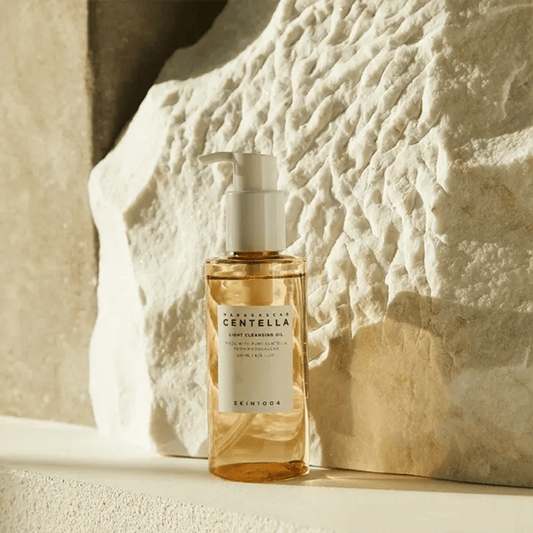

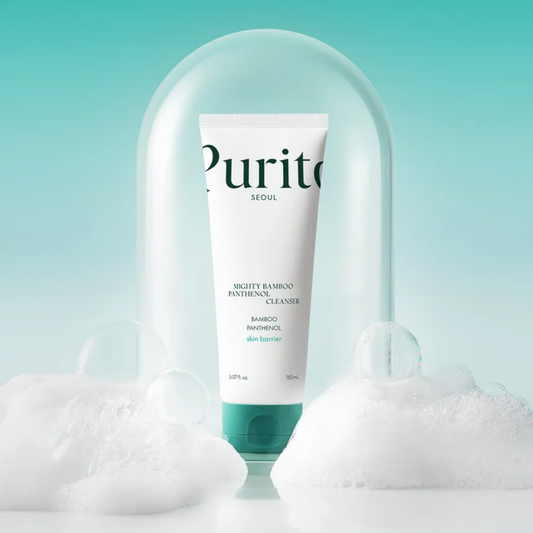

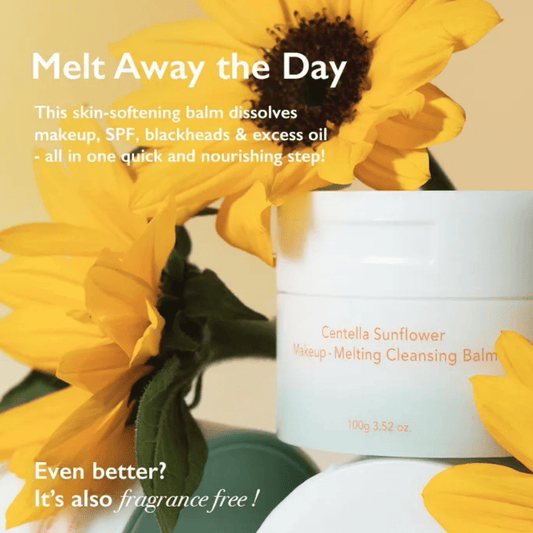

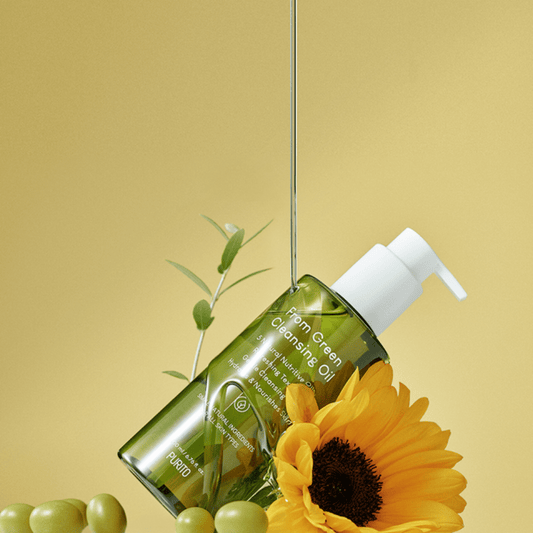

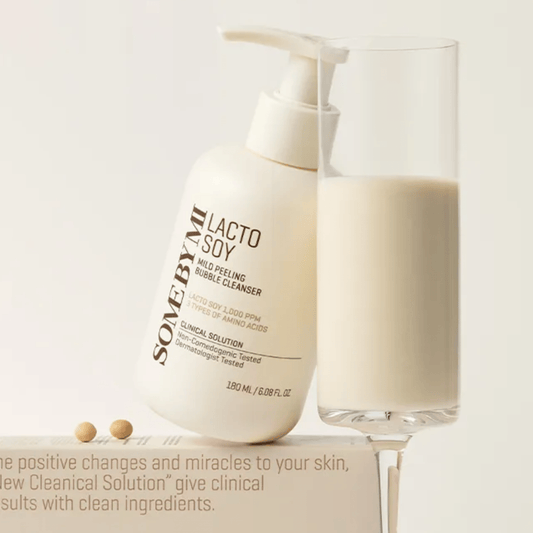
Korean Cleansers - Non Comedogenic are chosen specifically for skin that is prone to congestion, blocked pores, blackheads, and blemishes triggered or worsened by the products it uses. A non-comedogenic cleanser removes without contributing to the problem: no pore-blocking ingredients, no residue that lingers after rinsing, and a formula that cleans the pore environment rather than adding to it.
What Makes a Cleanser Non-Comedogenic
Non-comedogenic means the formula does not contain ingredients that have a documented tendency to block pores. In a cleanser, this primarily means avoiding heavy waxes, certain plant oils with high oleic acid content, and thick emollients that can leave residue. A truly non-comedogenic cleanser is lightweight, rinses away completely, and uses safe humectants like glycerin and hyaluronic acid rather than pore-blocking emollients for any moisturising benefit it provides. Non-comedogenic formulas are designed and tested to minimise the risk of blocking hair follicles and contributing to the congestion that leads to blemishes. The designation is a formulation target rather than a guarantee, individual responses vary, and certain non-comedogenic ingredients may still cause congestion for some.
- No heavy waxes or pore-blocking emollients
- Rinses away completely without residue
- Safe humectants used for any moisturising benefit
- Lightweight formulas that do not linger on skin
Is Non-Comedogenic Important for Blemish-Prone Skin
Yes, and more so for a cleanser than for most products. While a leave-on product sits on the skin all day or overnight and has more time to interact with pores, a cleanser also touches every part of the face twice daily. If the cleanser contains pore-blocking ingredients, even the brief contact during washing can contribute to congestion over time, particularly around the nose, chin, and forehead where pores are larger and sebum production is highest. Non-comedogenic formulas are designed and tested to minimise the risk of blocking hair follicles and contributing to the congestion that leads to blemishes. The designation is a formulation target rather than a guarantee, individual responses vary, and certain non-comedogenic ingredients may still cause congestion for some.
- Cleanser touches all facial pores twice daily
- Even brief contact can contribute to congestion
- Nose, chin, and forehead pores most vulnerable
- Non-comedogenic cleansers prevent one layer of trigger
Can a Non-Comedogenic Cleanser Still Be Hydrating
Yes, and the best ones are. The myth that non-comedogenic means dry or stripped is outdated. Glycerin, hyaluronic acid, betaine, and sodium PCA are all excellent humectants that provide real hydration without any risk of blocking pores. A well-formulated non-comedogenic cleanser leaves skin clean, balanced, and comfortably hydrated, proving that pore-safe and skin-nourishing are entirely compatible goals in a modern Korean skincare formula. Non-comedogenic formulas are designed and tested to minimise the risk of blocking hair follicles and contributing to the congestion that leads to blemishes. The designation is a formulation target rather than a guarantee, individual responses vary, and certain non-comedogenic ingredients may still cause congestion for some.
- Glycerin and hyaluronic acid are safe humectants
- Non-comedogenic does not mean dry or stripped
- Well-formulated versions leave skin hydrated
- Pore-safe and nourishing are compatible goals
Find your non-comedogenic cleanser above. Clean skin that stays clear starts with a formula that never works against the goal.