

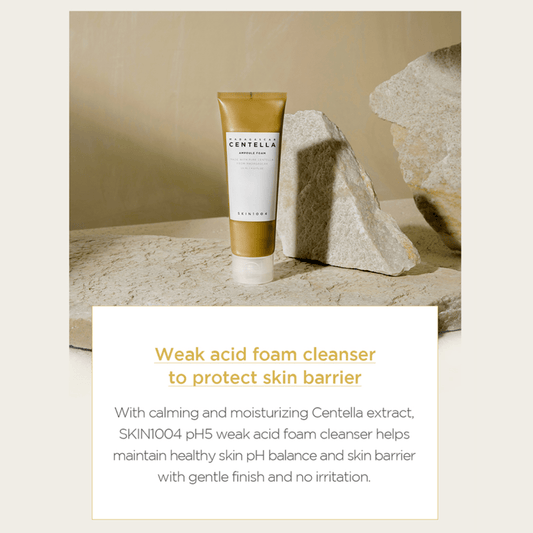

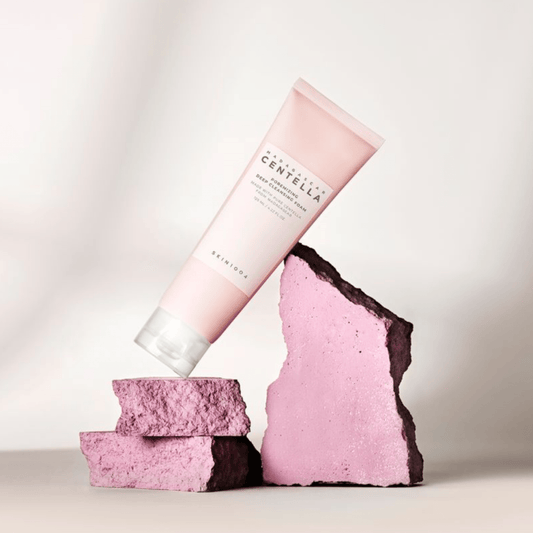

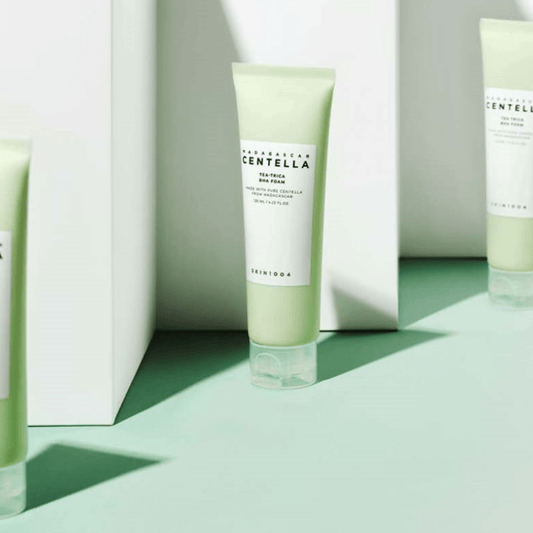

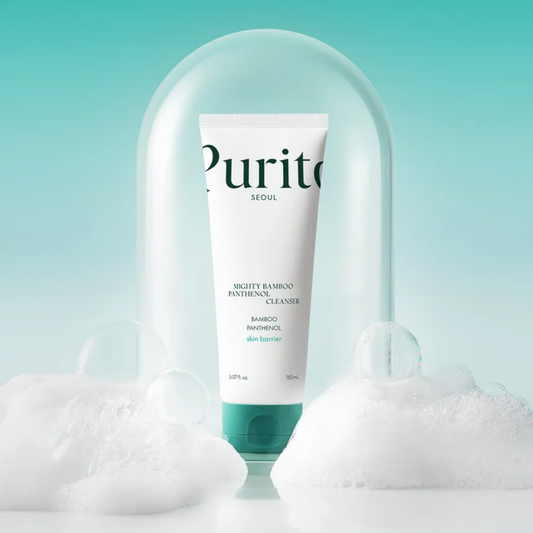

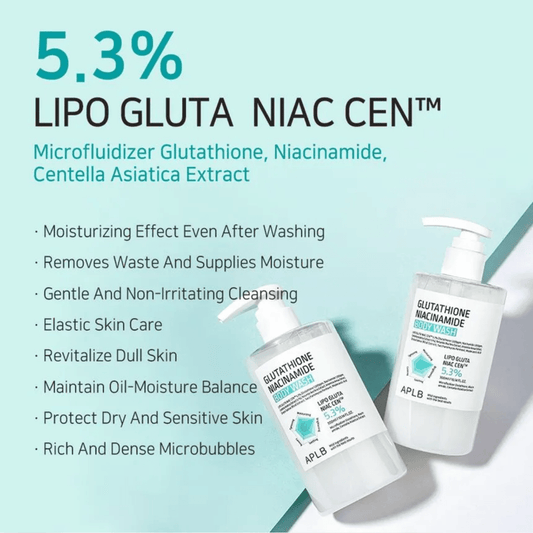

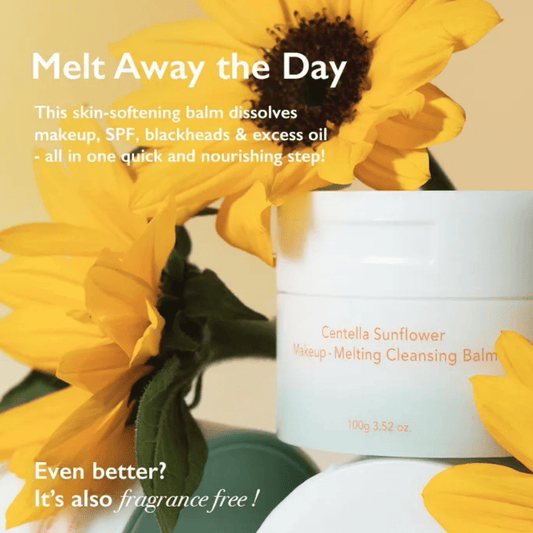

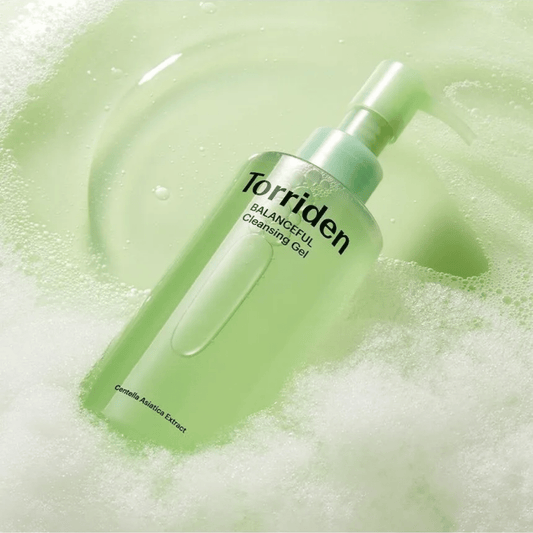

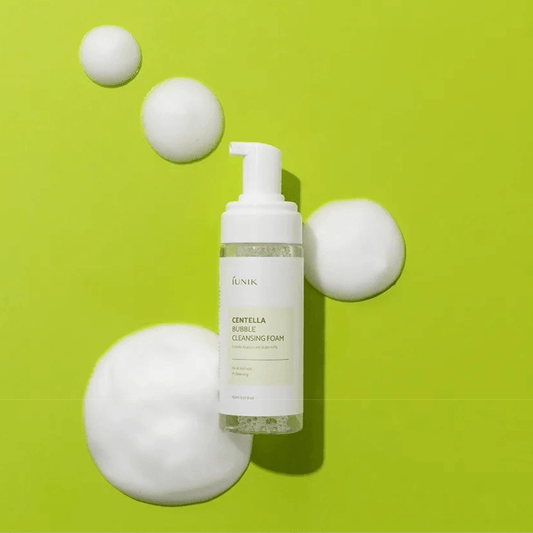

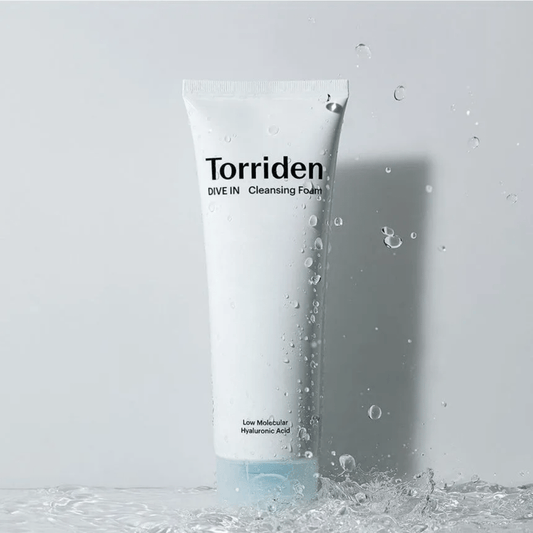

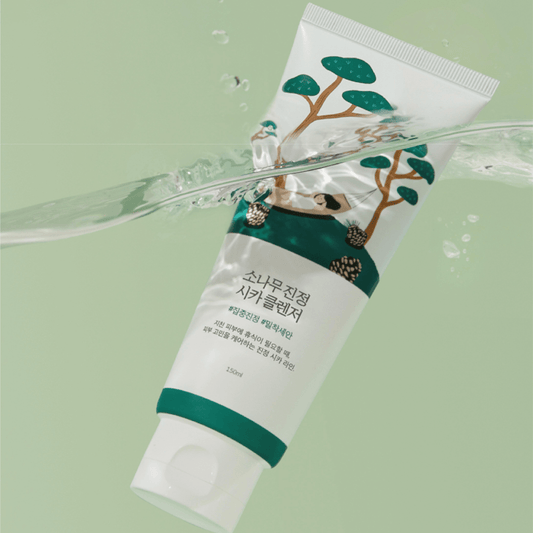

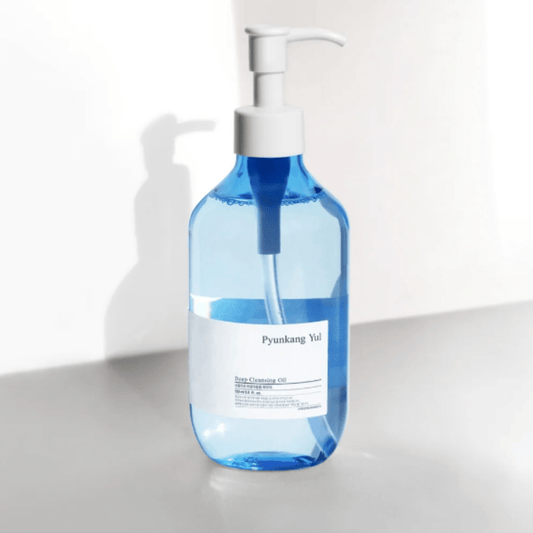

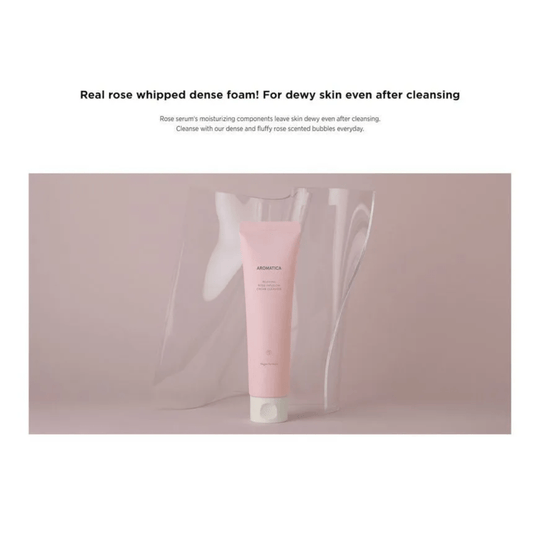

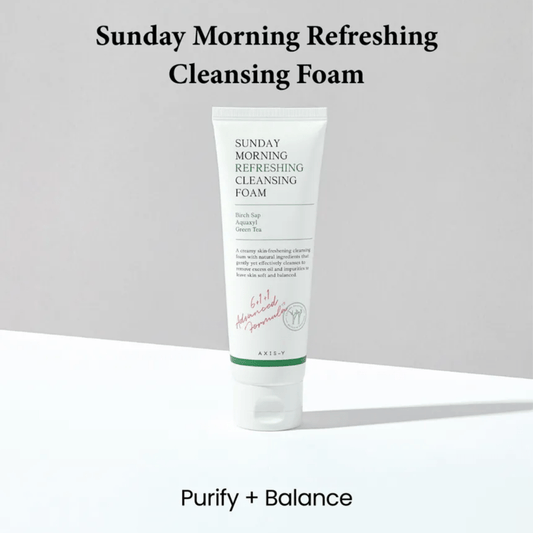

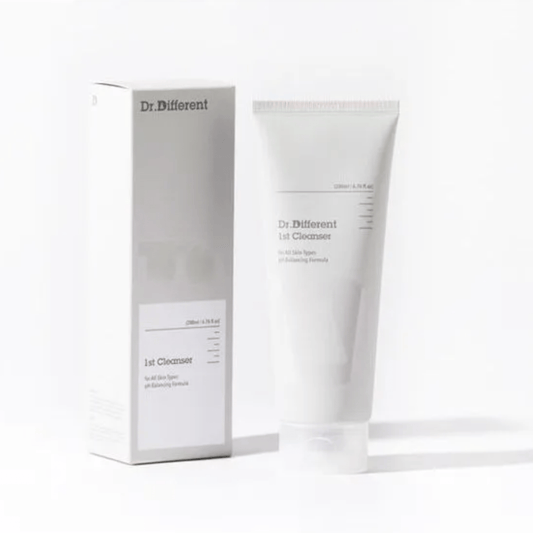

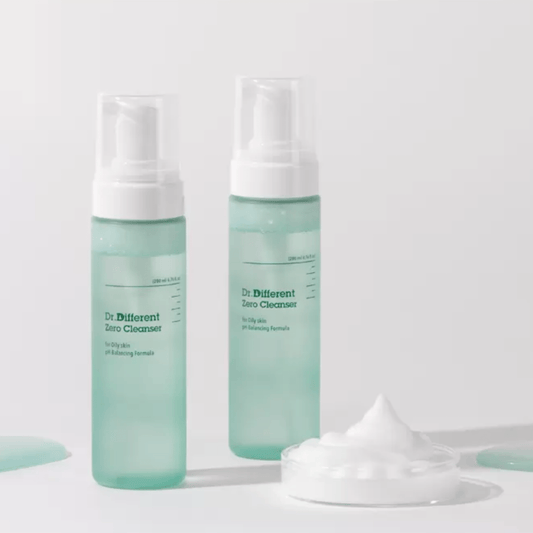

Korean Cleansers for Wound Healing are chosen for one specific purpose: to clean the skin without disturbing the healing process. Post-treatment or post-procedure skin is in an active recovery state, its barrier is compromised, nerve endings are sensitised, and any ingredient that would be mildly irritating in normal circumstances can cause a significant reaction. These formulas are the gentlest available for exactly this stage.
Ingredients That Support Healing in a Cleanser
Panthenol is the cornerstone of wound-supportive cleansing, it visibly soothes inflamed skin, reduces redness, and helps restore comfort to irritated areas. Centella asiatica supports the skin's visible recovery, reducing redness and calming the surface. Allantoin smooths rough, healing skin and eases the tight, uncomfortable feeling that comes with compromised barrier function. These three ingredients together create a gentle, supportive cleanse that helps rather than hinders recovery. Skin wound healing in a cosmetic context refers to the support of the skin's surface repair processes after minor disruptions to barrier integrity. Active ingredient choices in healing formulas, centella, panthenol, allantoin, all accelerate repair by different mechanisms, making a multi-ingredient approach most effective.
- Panthenol to visibly soothe and ease discomfort
- Centella to support visible recovery
- Allantoin to smooth rough, healing skin
- Fragrance-free, minimal ingredient lists only
How Gentle Should the Cleanser Be During Healing
Extremely gentle. During active wound healing, the skin should not experience stinging, friction, or the tight feeling of stripping. The cleanser should be applied with minimal agitation, fingertips only, no cloths or brushes. Water should be lukewarm, never hot or very cold. Rinse gently and pat dry with a soft cloth rather than rubbing. Some people during post-treatment recovery find that just rinsing with water and applying micellar water on a cotton pad is the most comfortable option. Skin wound healing in a cosmetic context refers to the support of the skin's surface repair processes after minor disruptions to barrier integrity. Active ingredient choices in healing formulas, centella, panthenol, allantoin, all accelerate repair by different mechanisms, making a multi-ingredient approach most effective.
- Fingertips only, no cloths or brushes
- Lukewarm water only during healing
- Pat dry, never rub
- Micellar water can substitute during early recovery
When to Return to Your Normal Cleanser
The signal is settled, comfortable skin, no redness, stinging, or sensitivity after cleansing. This typically takes one to four weeks after a treatment, depending on the type and depth of the procedure. Some people maintain a gentle healing-phase cleanser permanently, finding it supports their routine better than their previous product. There is no requirement to return to a stronger cleanser once skin has recovered. If the healing formula works, continue using it. Skin wound healing in a cosmetic context refers to the support of the skin's surface repair processes after minor disruptions to barrier integrity. Active ingredient choices in healing formulas, centella, panthenol, allantoin, all accelerate repair by different mechanisms, making a multi-ingredient approach most effective.
- Wait for settled, comfortable skin before switching
- One to four weeks is typical recovery window
- No obligation to switch back to a stronger formula
- If the gentle version works well, keep using it
Browse the range above. During recovery, the right cleanser is not a small choice, it is the foundation the whole healing process rests on.