
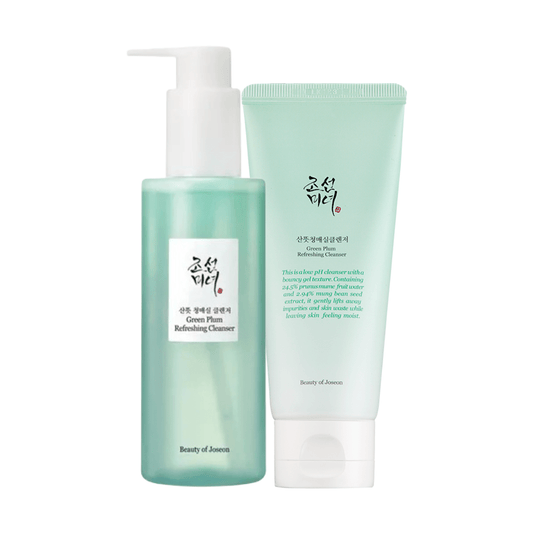
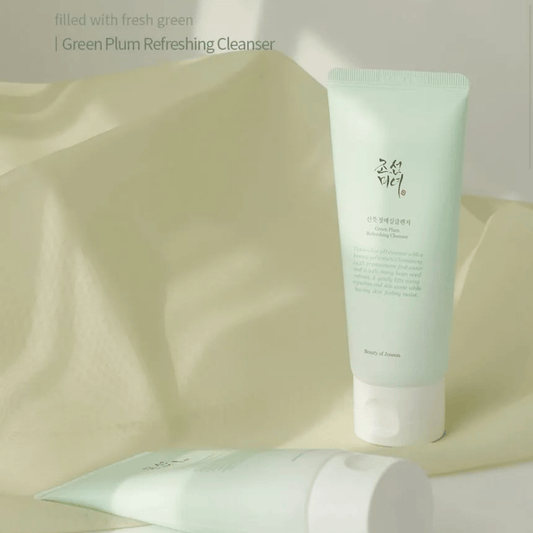

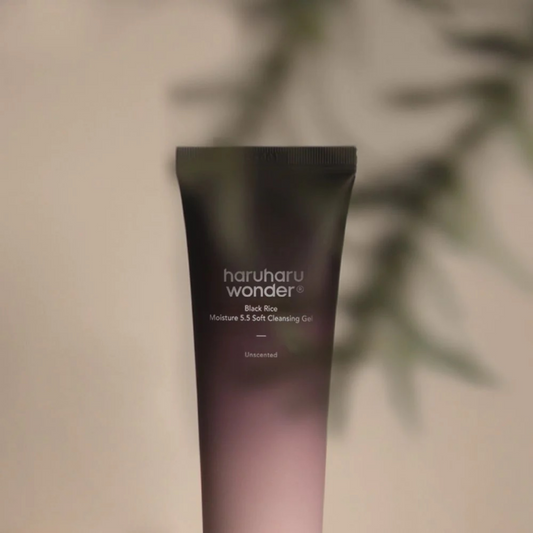

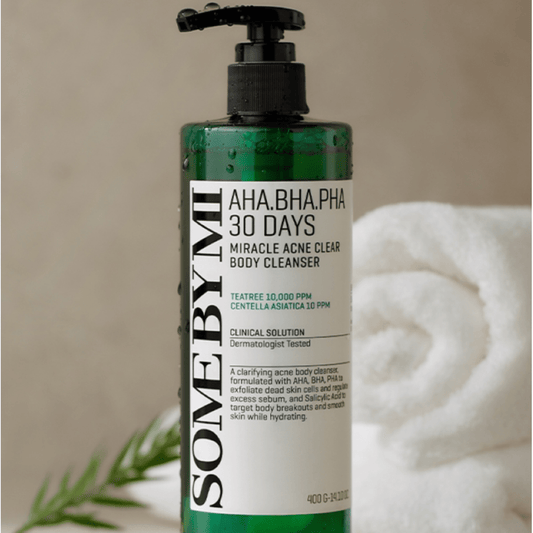

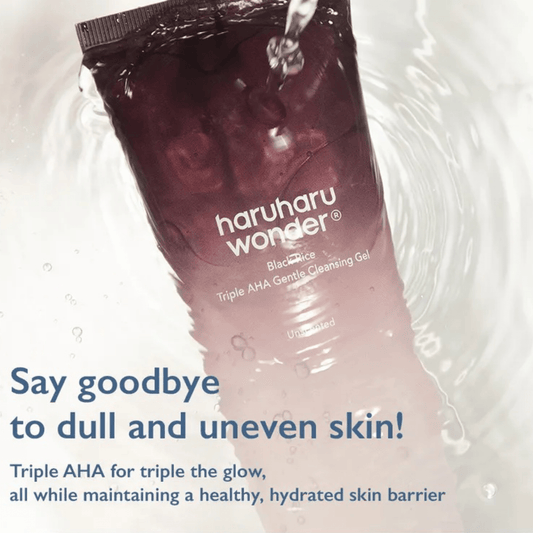

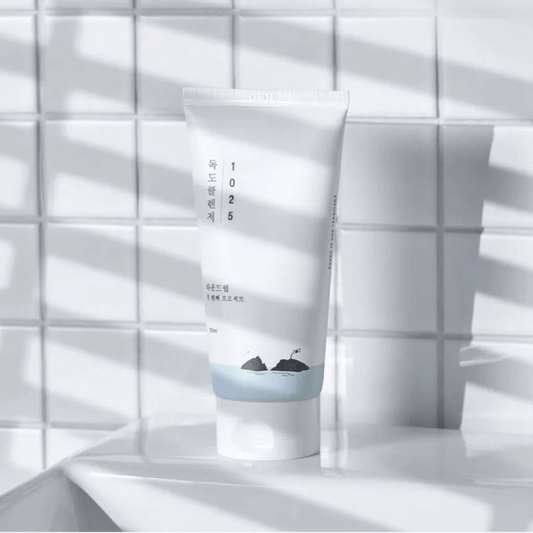

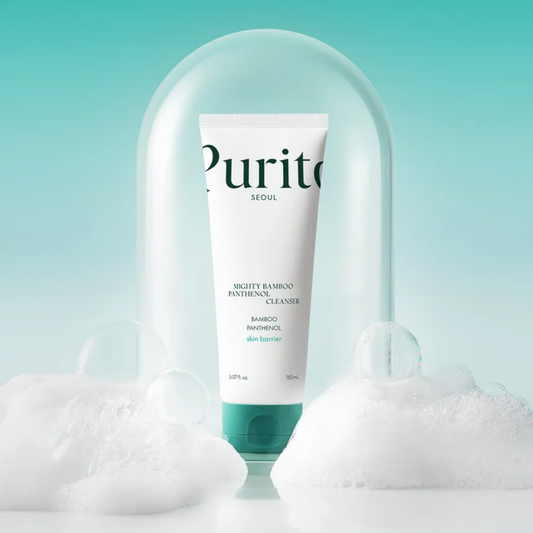
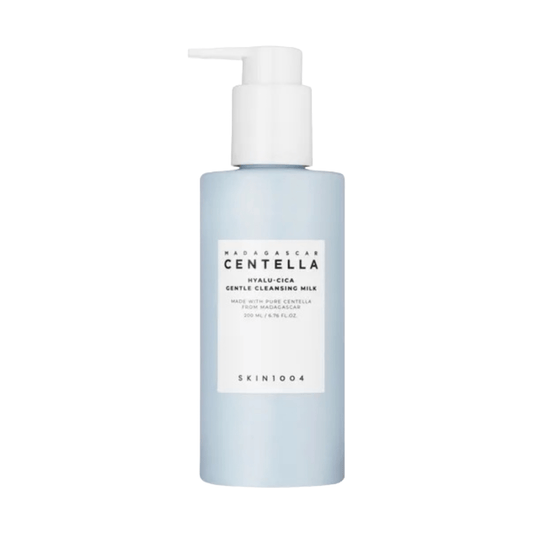
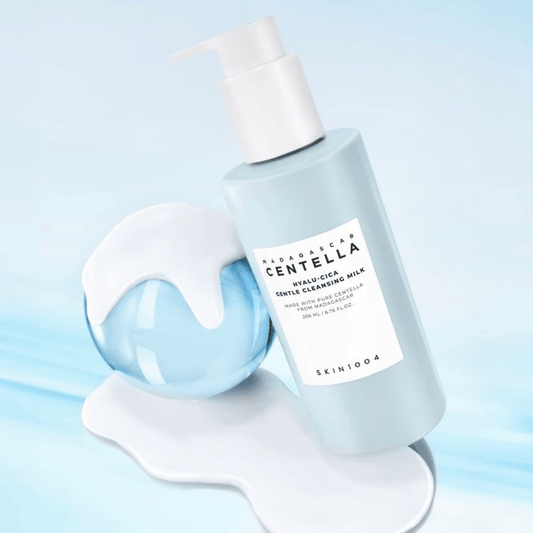

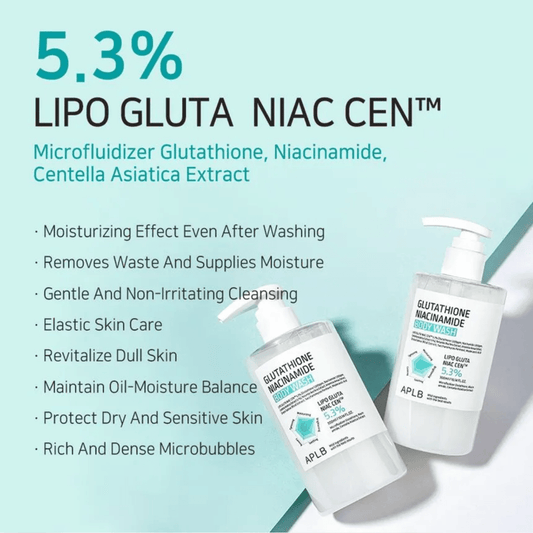


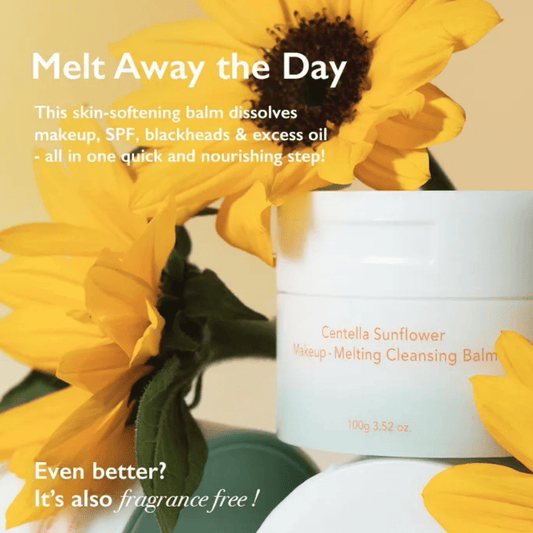

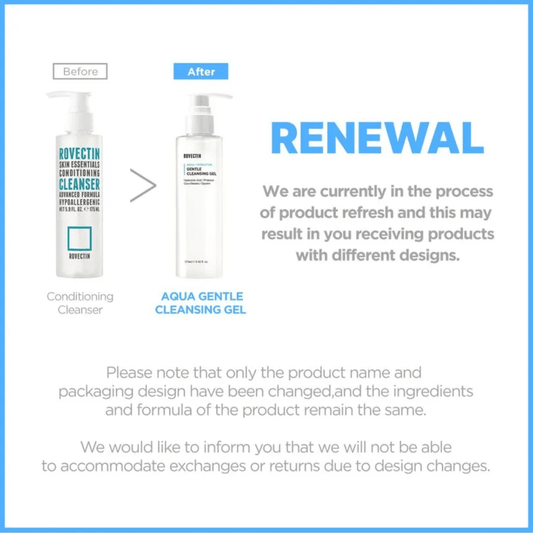

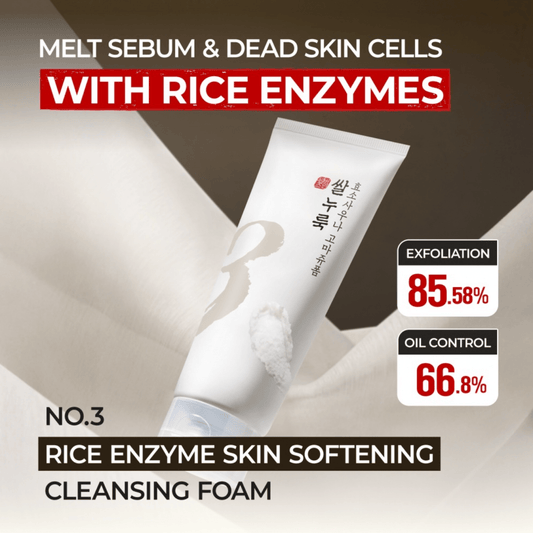

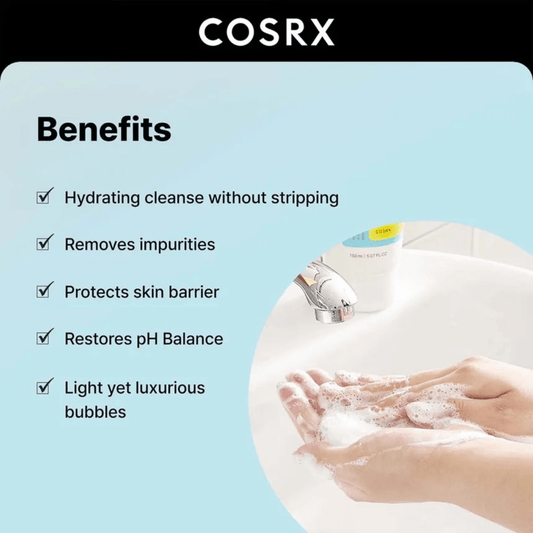


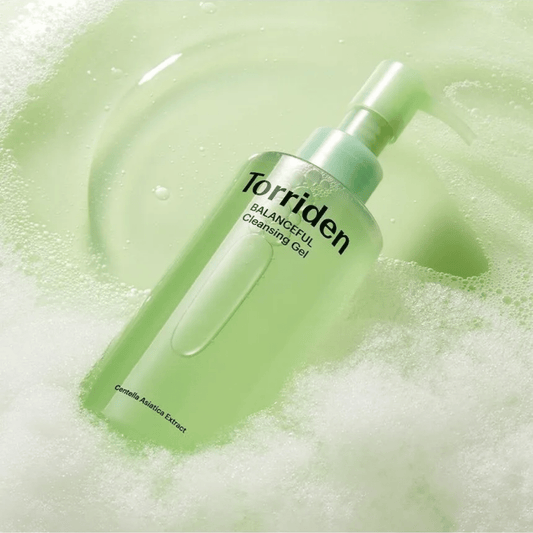

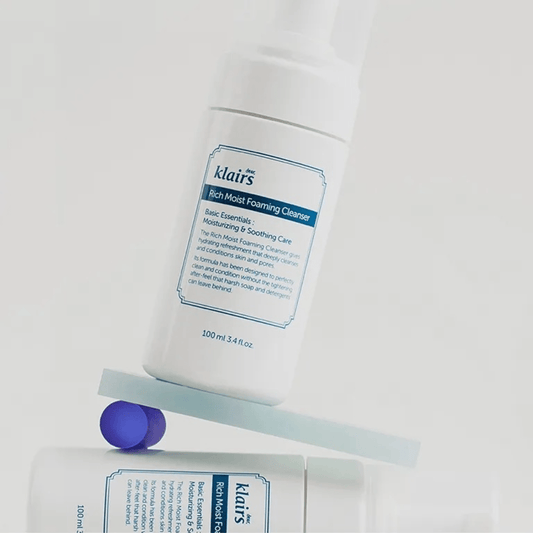
K-Beauty Cleansers for Barrier Repair are designed for skin in recovery. When the skin barrier has been disrupted, whether through over-exfoliation, harsh products, or illness, even gentle cleansers can cause stinging or redness. These formulas are the mildest available, chosen specifically to clean the skin while actively supporting the barrier's return to health.
Ingredients That Support Barrier Repair in a Cleanser
Ceramides are the priority. They are the same lipid molecules that form the skin's protective barrier, and including them in a cleanser replenishes what the barrier has lost. Panthenol penetrates the surface and helps restore comfort, reducing the tight, sore feeling of compromised skin. Squalane provides a protective, non-greasy layer that helps limit moisture loss during the cleansing process. Together, these ingredients shift the cleanser from a neutral step to an actively restorative one. Barrier repair specifically addresses a barrier that has already been compromised, depleted of lipids, disrupted by products, or damaged by environmental exposure. The skin's own repair cycle takes approximately 28 days for a full surface turnover, meaning visible barrier improvement typically appears within two to four weeks of consistent care.
- Ceramides to replenish barrier lipids
- Panthenol to restore comfort and reduce soreness
- Squalane to limit moisture loss during cleansing
- Fragrance-free formulas for compromised skin
How the Wrong Cleanser Slows Down Recovery
A compromised barrier is permeable, it lets irritants in and moisture out more readily than healthy skin. Using a harsh or stripping cleanser on already-damaged skin removes more of the lipids the barrier is trying to rebuild. Each cleanse becomes a step backward. Switching to a barrier-repair cleanser is not optional during recovery, it is the foundation that makes everything else in the routine possible. Barrier repair specifically addresses a barrier that has already been compromised, depleted of lipids, disrupted by products, or damaged by environmental exposure. The skin's own repair cycle takes approximately 28 days for a full surface turnover, meaning visible barrier improvement typically appears within two to four weeks of consistent care.
- Damaged barriers are more vulnerable to stripping
- Harsh cleansers slow the repair process
- Each harsh cleanse removes rebuilding lipids
- Gentle switch is essential, not optional
Signs You Need a Gentler Cleanser
Stinging when applying products, tightness that lasts more than a few minutes after washing, persistent redness, and skin that feels rough and uneven are all signals that the barrier is compromised. Flakiness combined with oiliness, sometimes called dehydration, is another sign. If your current cleanser causes any of these reactions, a barrier-repair formula is the right replacement. Begin with one cleanse per day and build to twice daily as the barrier recovers. Barrier repair specifically addresses a barrier that has already been compromised, depleted of lipids, disrupted by products, or damaged by environmental exposure. The skin's own repair cycle takes approximately 28 days for a full surface turnover, meaning visible barrier improvement typically appears within two to four weeks of consistent care.
- Stinging when applying serums is a warning sign
- Tightness lingering after washing signals compromise
- Flakiness combined with oiliness means dehydration
- Start with once-daily cleansing during recovery
Browse the collection above. Barrier repair starts with the cleanser, choose one that helps rather than hinders the process.