



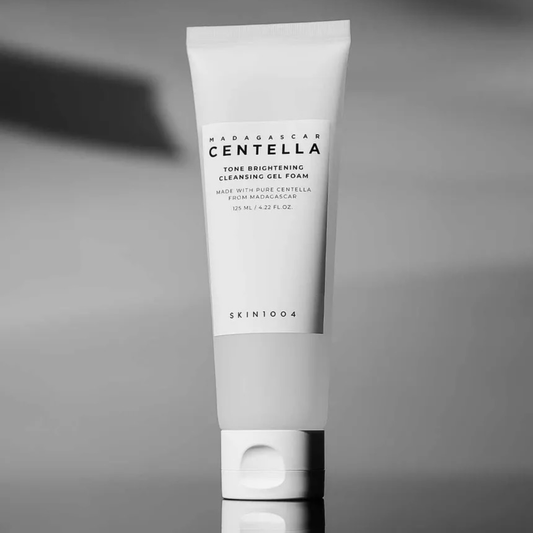

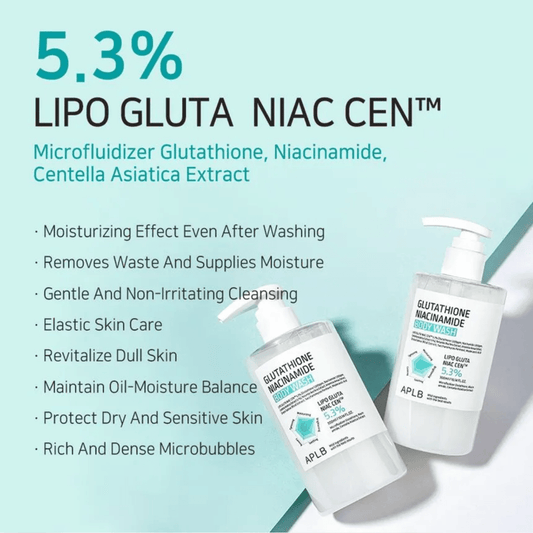


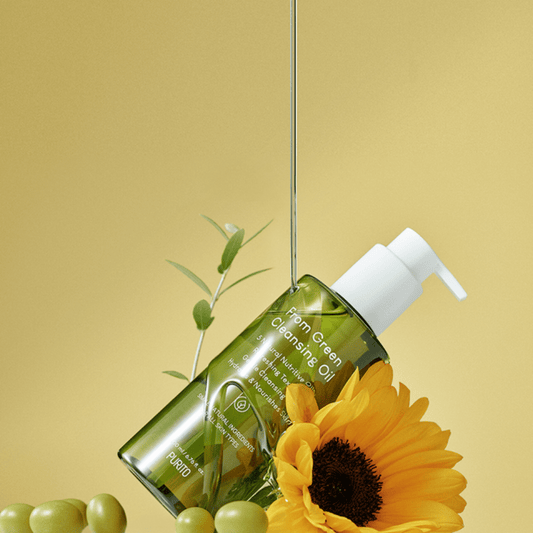

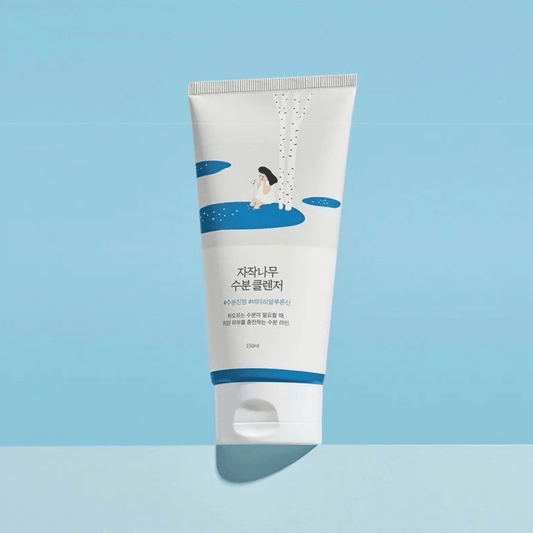






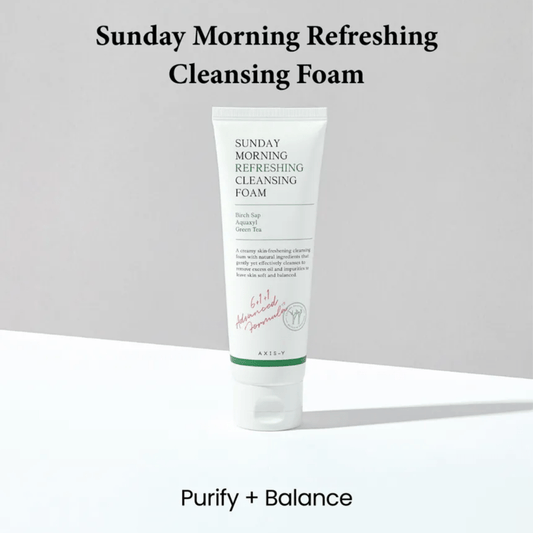

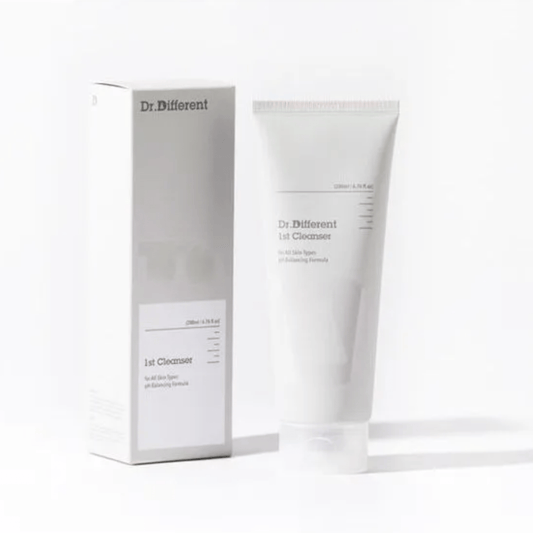

Korean Cleansers for Dehydration address a concern that is often mistaken for dryness: skin that feels tight and looks dull even when it produces normal amounts of oil. Dehydration is a lack of water in the skin, not a lack of oil. The cleanser step is where this imbalance is most vulnerable to worsening, stripping surfactants remove surface water as well as debris. These formulas clean without compromising water content.
Ingredients a Dehydration Cleanser Should Contain
Hyaluronic acid draws water into the skin and holds it there, making it the most direct ingredient for addressing dehydration even in a rinse-off product. Glycerin works similarly, attracting moisture from the environment during the cleansing process. Betaine is a gentle humectant that supports both moisture retention and skin comfort. Together, these three create a cleanser that actively replenishes water while removing the day's build-up. Korean cleansers match the skin's natural pH of 4.5 to 5.5, which preserves the acid mantle and supports both barrier function and the skin microbiome. The surfactant system in Korean cleansers is typically amino acid-based or plant-derived, chosen for effective cleansing at a significantly lower irritation risk than sulphates.
- Hyaluronic acid to draw and hold water
- Glycerin to attract moisture during cleansing
- Betaine for gentle hydration support
- pH-balanced to protect the skin's water barrier
How to Tell if Your Cleanser Is Causing Dehydration
If your skin feels tight immediately after cleansing and does not improve within a few minutes of applying toner or serum, your cleanser is likely stripping more moisture than it should. Another signal is skin that looks dull or feels rough despite regular moisturising. Oily skin that is simultaneously dehydrated, shiny but tight, is often the result of a cleanser that strips the water barrier while leaving the oil barrier intact. Switching to a gentler formula is usually the fastest solution. Korean cleansers match the skin's natural pH of 4.5 to 5.5, which preserves the acid mantle and supports both barrier function and the skin microbiome.
- Post-wash tightness lasting more than a few minutes
- Dullness despite regular moisturising
- Oily but tight skin signals dehydration
- Switching cleanser often resolves quickly
Cleanser Textures That Help Dehydration
Gel cleansers with humectants are ideal for oily-dehydrated skin, they remove oil without stripping water. Cream and milk cleansers are better for dry-dehydrated skin, providing both cleansing and a protective finish that slows moisture loss. Avoid anything labelled "deep cleansing" or "pore purifying" if dehydration is your main concern, these formulas often use stronger surfactants that work against the goal. Apply cleanser to damp skin and rinse quickly for the gentlest possible cleanse. Korean cleansers match the skin's natural pH of 4.5 to 5.5, which preserves the acid mantle and supports both barrier function and the skin microbiome. The surfactant system in Korean cleansers is typically amino acid-based or plant-derived, chosen for effective cleansing at a significantly lower irritation risk than sulphates.
- Humectant gel for oily-dehydrated skin
- Cream or milk for dry-dehydrated types
- Avoid deep cleansing formulas
- Apply to damp skin, rinse quickly
Scroll up to explore the collection. Hydrated skin starts with a cleanser that keeps moisture where it belongs.