

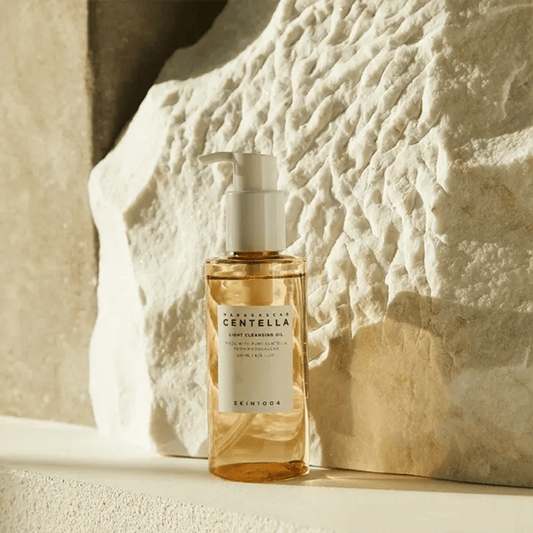
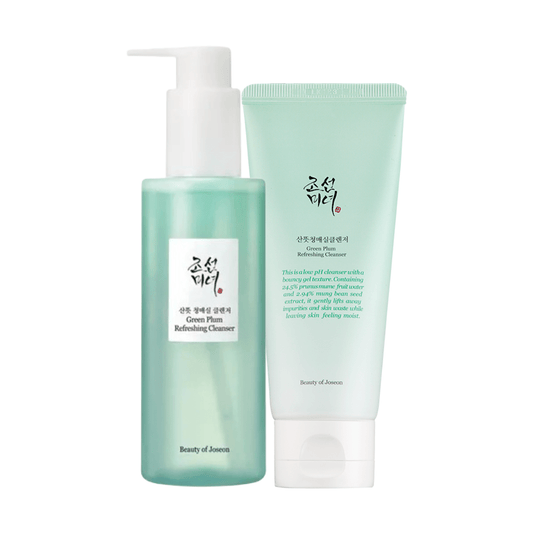
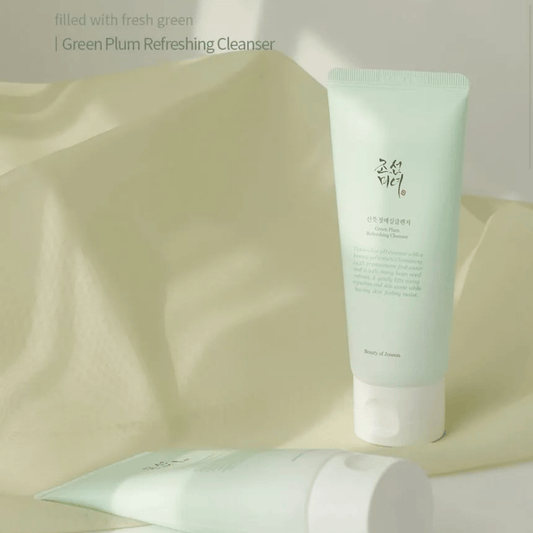

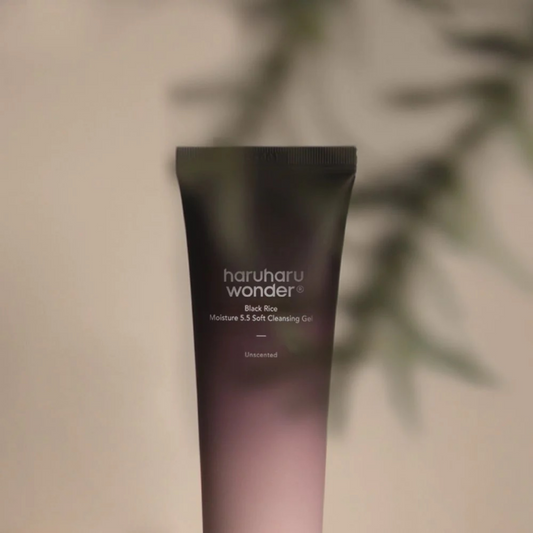










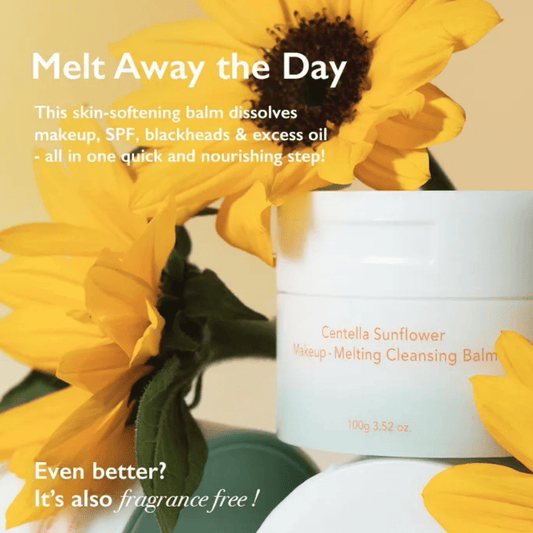


K-Beauty Cleansers for Dry Skin recognise that cleansing is a delicate step for skin that already struggles to hold moisture. The goal is to remove impurities without removing the lipids and natural moisture factors the skin needs. These formulas are built to respect that boundary.
Korean cleansers match the skin's natural pH of 4.5 to 5.5, preserving the acid mantle and supporting barrier function. The surfactant systems are typically amino acid-based or plant-derived, chosen for effective cleansing with a significantly lower irritation risk than sulphates.
Textures That Work Best for Dry Skin
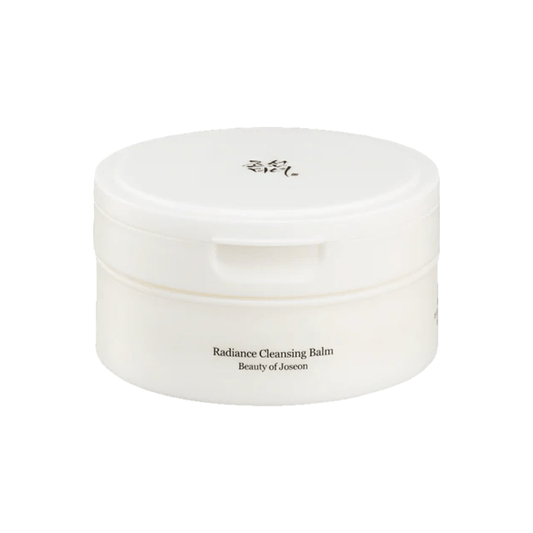
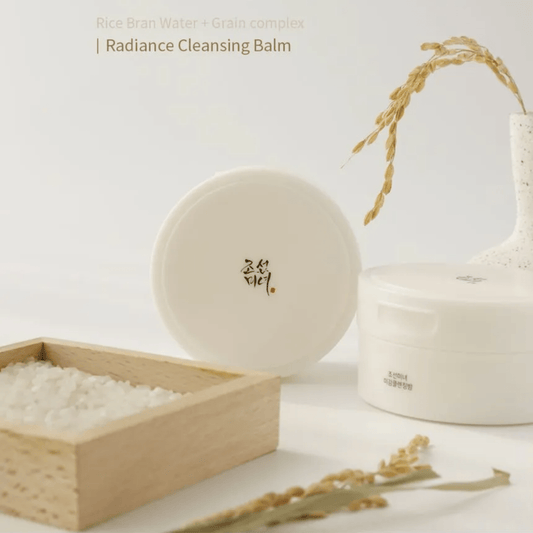
Cleansing balms are the standout choice for dry skin: they melt into the skin's natural oils, dissolve impurities, and rinse away without disrupting the barrier. Cleansing milks are lightweight and leave a soft, nourishing finish. Cream cleansers sit between these two in richness. All three are better choices than most foaming cleansers, which tend to feel too cleansing for skin that is already moisture-compromised. The texture should feel comfortable the moment it touches the skin, not sharp or tingling.
- Balms for nourishing, thorough cleansing
- Milks for lightweight daily comfort
- Cream cleansers for everyday protection
- Avoid sulphate-based foams
Should You Avoid Foaming Cleansers with Dry Skin
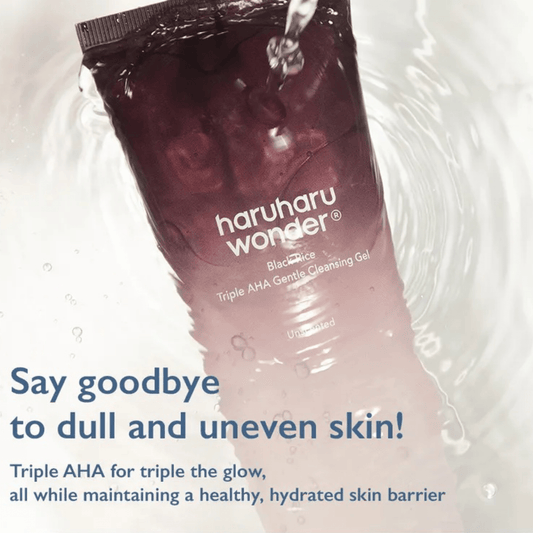
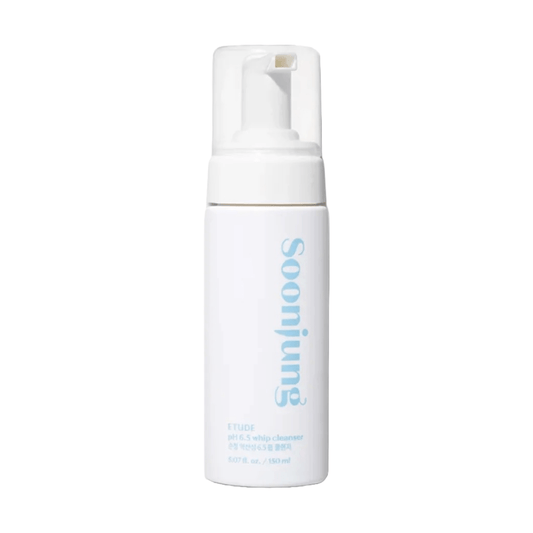
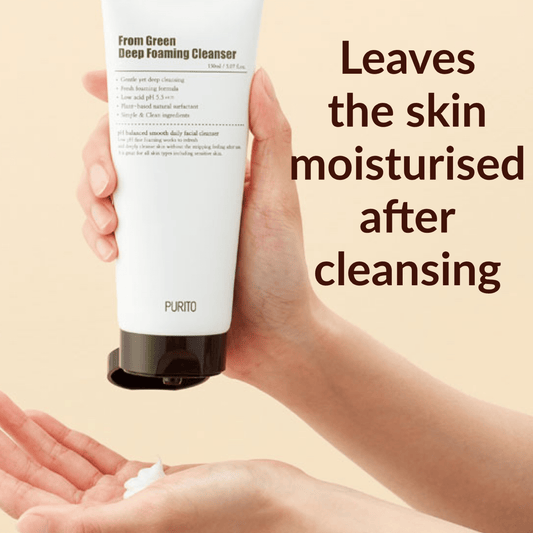
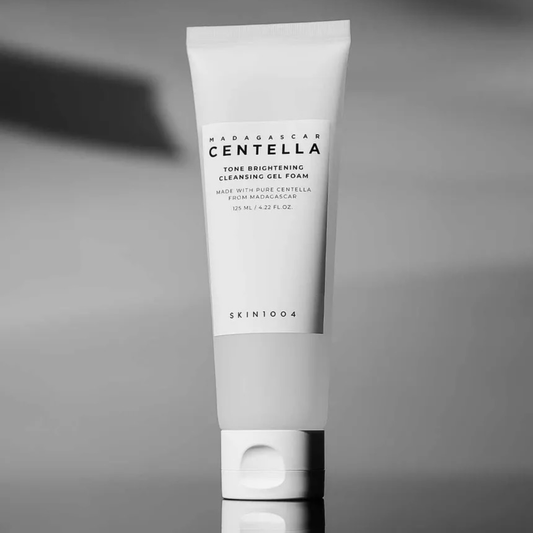
Not all foaming cleansers are off limits. The key is the surfactant: amino acid-based surfactants like sodium cocoyl glutamate create a gentle foam that cleans without stripping. Sulphate-based surfactants are the ones to avoid. If a foam cleanser leaves your skin feeling tight after rinsing, it has stripped too much. Swap for one with milder surfactants and see if the tightness resolves within a few days. Dry skin can often tolerate a gentle foam in the evening but prefers a cream or milk in the morning when barrier levels are higher.
- Amino acid surfactants create safe gentle foam
- Sulphates are the problem, not foam itself
- Tightness after rinsing signals stripping
- Switch surfactant type, not just texture
Hydrating Ingredients That Help During Cleansing
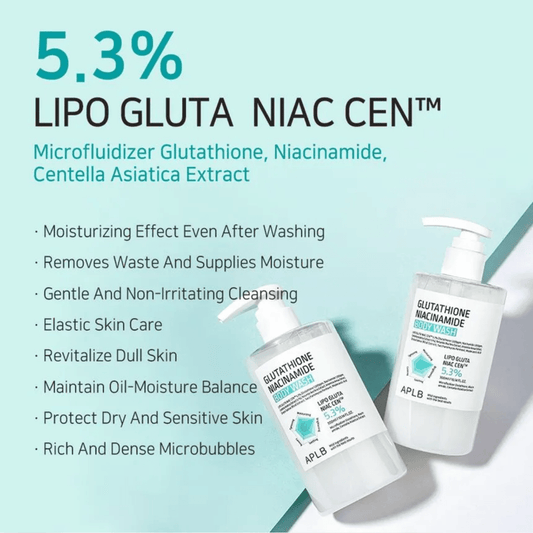
Glycerin in a cleanser attracts moisture into the skin even during the brief wash. Hyaluronic acid similarly draws water in and helps skin arrive at the rinse step with moisture reserves intact. Panthenol soothes any tightness and leaves skin soft. These ingredients do not need to stay on the skin to have an effect: even a brief contact time during cleansing is enough to support hydration levels, particularly when used daily.
- Glycerin attracts moisture during the wash
- Hyaluronic acid supports hydration through rinsing
- Panthenol softens and soothes dry patches
- Daily use builds cumulative benefit
Applying Your Cleanser for Dry Skin Results
Apply to damp skin to reduce friction and make the formula easier to spread. Use lukewarm water: hot water accelerates transepidermal moisture loss, which is already elevated in dry skin. Keep the cleansing contact time brief, around thirty to sixty seconds, then rinse thoroughly. Pat dry with a soft cloth rather than rubbing. Apply toner or essence immediately afterwards, before the skin dries completely, to lock in the moisture retained during cleansing.
- Apply to damp skin to reduce friction
- Lukewarm water, never hot
- Brief contact time, rinse thoroughly
- Apply toner on damp skin to seal moisture
Browse the full range above. The right cleanser for dry skin makes everything that follows feel more effective.