
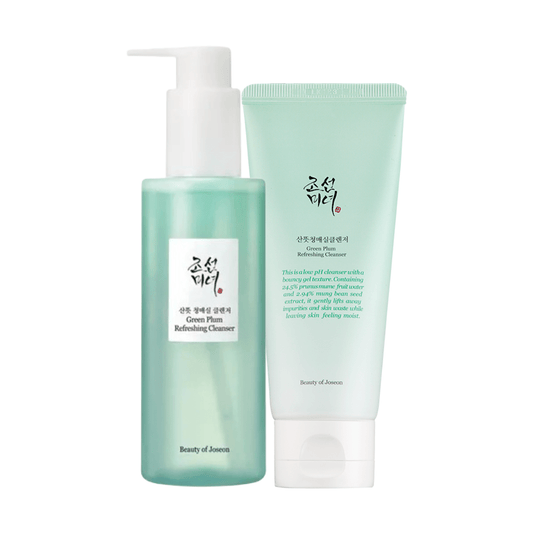
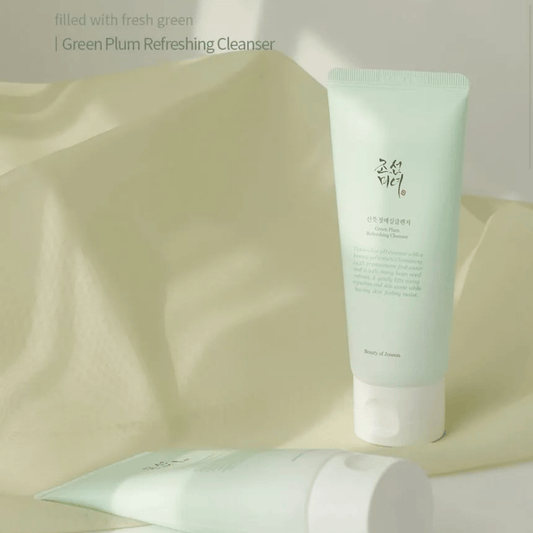

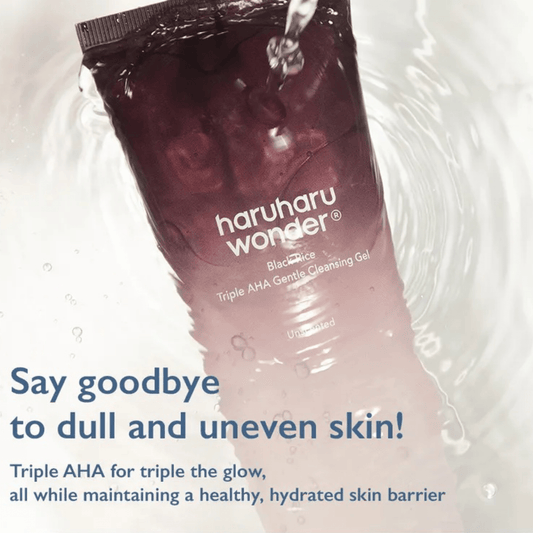

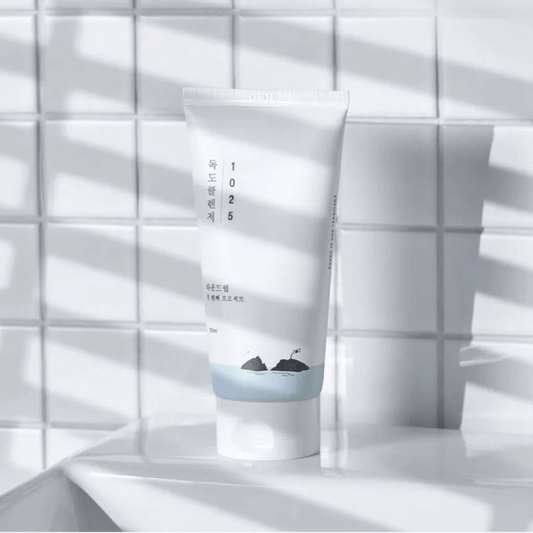

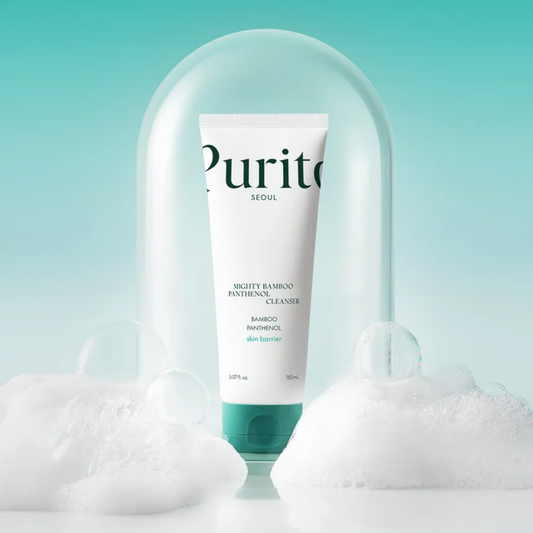

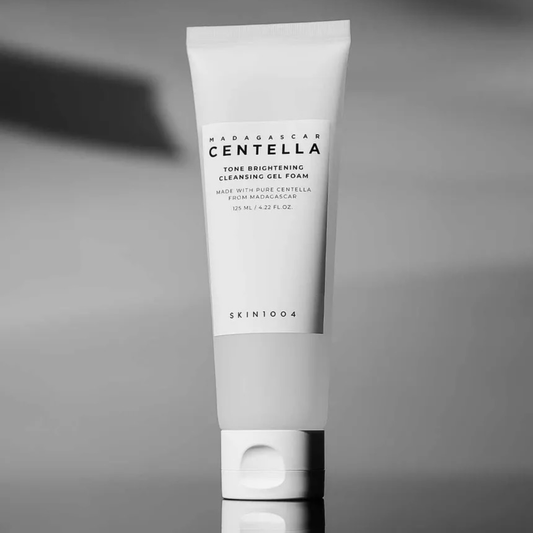


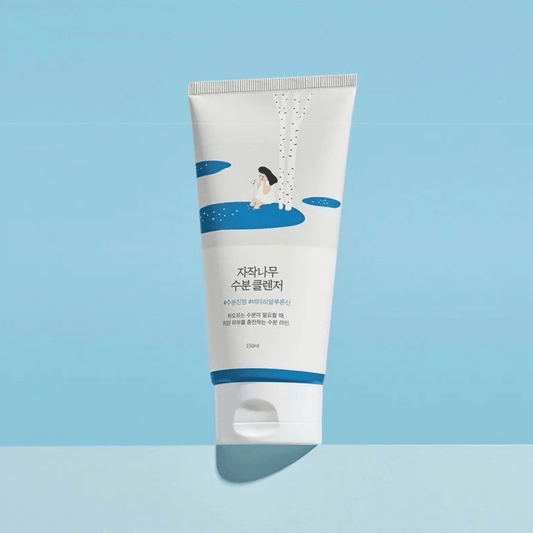

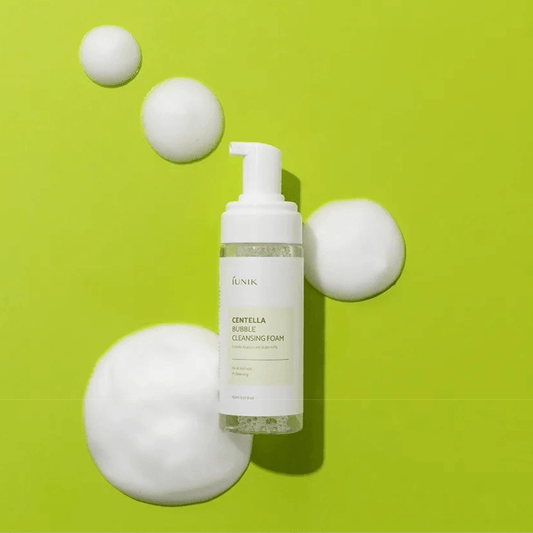

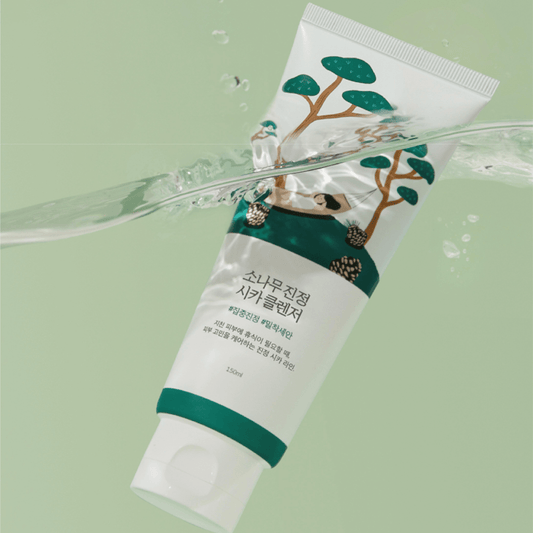


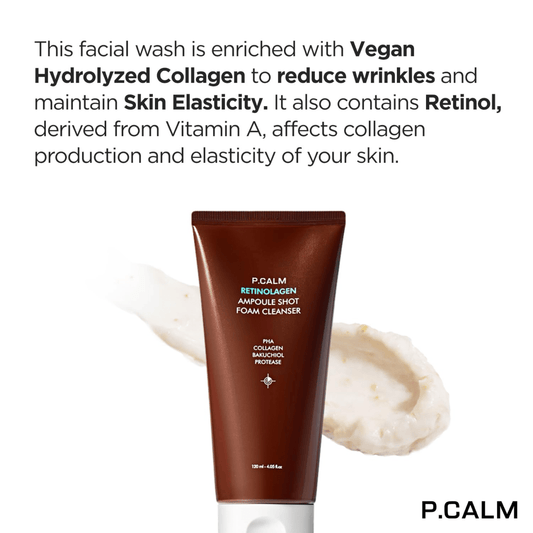

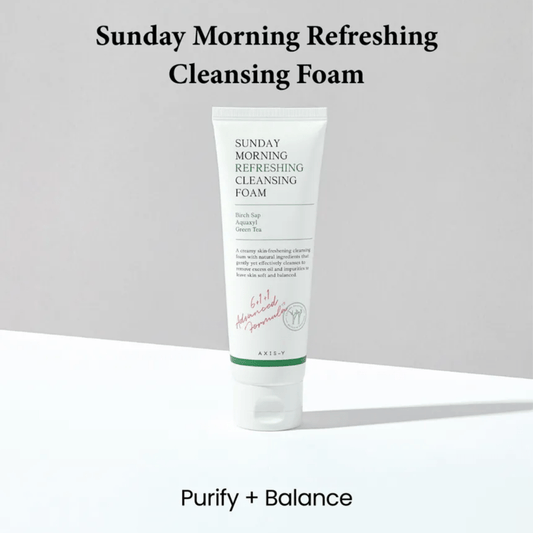


K-Beauty Cleansers for Dehydrated Skin start from an important distinction: dehydration is not the same as dryness. Dehydrated skin lacks water regardless of skin type, oily skin can be severely dehydrated. These cleansers protect and replenish the skin's water content through the cleansing step rather than stripping it away.
Ingredients a Dehydrated Skin Cleanser Should Contain
Hyaluronic acid is the most effective humectant for dehydrated skin, it draws moisture into the skin surface during the brief contact of cleansing. Glycerin supports this by providing additional moisture-attracting capacity throughout the wash. Betaine is a gentle humectant that adds a soft, plumped feel without any irritation risk. Together, these three create a cleanser that actively restores water content rather than depleting it, leaving skin feeling comfortable from the very first rinse. Dehydrated skin lacks water in the outer layers and can occur even in oily or combination skin types simultaneously with excess sebum production. The most reliable sign of dehydration is immediate surface tightness and fine surface lines that visibly improve as soon as hydrating products are applied.
- Hyaluronic acid to draw and hold surface water
- Glycerin for additional moisture-attracting capacity
- Betaine for gentle plumping without irritation
- pH-balanced to maintain the skin's water barrier
How to Tell if Your Cleanser Is Stripping Dehydrated Skin
The clearest signal is tightness that persists after cleansing, lasting through toner and even into moisturiser application. Skin that looks dull and flat after washing despite regular hydration is likely losing moisture through the cleansing step. Oily skin that is simultaneously tight, shiny but uncomfortable, is often the result of a cleanser stripping the water barrier while leaving the oil barrier intact. Switching to a gentler, hydrating formula is usually the fastest solution. Dehydrated skin lacks water in the outer layers and can occur even in oily or combination skin types simultaneously with excess sebum production. The most reliable sign of dehydration is immediate surface tightness and fine surface lines that visibly improve as soon as hydrating products are applied.
- Persistent tightness through the whole routine
- Dull, flat appearance despite regular moisturising
- Oily but tight skin signals dehydration
- Switching cleanser often resolves the issue quickly
Foam Cleansers and Dehydrated Skin
Traditional foaming cleansers are among the most dehydrating, the sulphate surfactants that create a rich lather are the same ones that strip the skin's water-retaining moisture factors. Sulphate-free alternatives using amino acid surfactants foam gently without this drawback. Gel cleansers with humectants are another reliable option. Cream and milk cleansers provide the most protective experience for dehydrated skin. Apply to damp skin and rinse quickly to keep the cleanse as gentle as possible. Dehydrated skin lacks water in the outer layers and can occur even in oily or combination skin types simultaneously with excess sebum production. The most reliable sign of dehydration is immediate surface tightness and fine surface lines that visibly improve as soon as hydrating products are applied.
- Sulphate foams are the most dehydrating formulas
- Amino acid foams are a gentle alternative
- Humectant gels suit oily-dehydrated skin
- Cream and milk give maximum moisture protection
Scroll up to explore the range. Your cleanser should be part of the solution to dehydration, not part of the problem.