


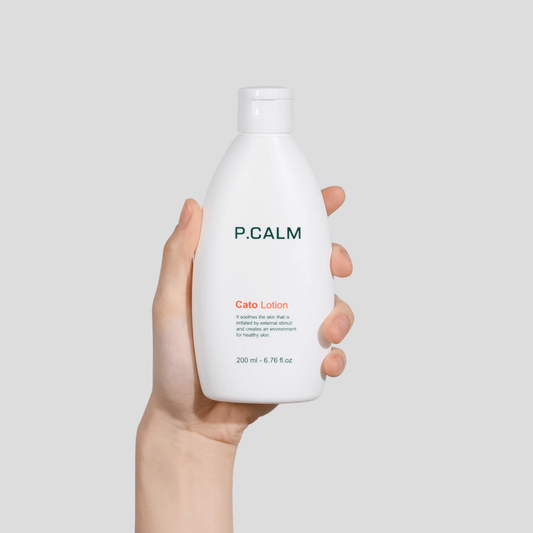
K-Beauty for Sensitive Skin with Phytosterols highlights a group of plant-derived lipids that closely resemble cholesterol in the skin barrier. Phytosterols strengthen and repair the barrier by integrating into its lipid structure. For sensitive skin, phytosterols provide quiet but effective barrier support with virtually no irritation risk.
How Phytosterols Help Repair the Sensitive Skin Barrier
Phytosterols are structurally similar to the cholesterol that forms part of the skin's lipid barrier. When applied topically, they integrate into the spaces between skin cells alongside ceramides and fatty acids. This reinforcement makes the barrier denser, more moisture-retentive, and more effective at blocking irritants. Phytosterols also have anti-inflammatory properties that reduce the redness and discomfort associated with barrier damage. For sensitive skin in a repair phase, phytosterols provide structural support from within the barrier rather than just sitting on the surface.
- Structurally similar to barrier cholesterol
- Integrate into the lipid layer between skin cells
- Make the barrier denser and more moisture-retentive
- Anti-inflammatory properties reduce redness during repair
Are Phytosterols Safe for Reactive Skin
Yes. Phytosterols have one of the lowest irritation profiles of any barrier-supporting ingredient. They are derived from plants (commonly soy, rice bran, or shea) and are well tolerated by all sensitive skin subtypes. They do not sting, do not cause photosensitivity, and have no adjustment period. Phytosterols can be used daily, morning and evening, from the first application. They do not interact negatively with any common skincare ingredients. For very reactive skin, phytosterol-containing products are among the safest choices for barrier support alongside ceramides and panthenol.
- One of the lowest irritation profiles of any barrier ingredient
- Derived from plants: soy, rice bran, or shea commonly
- No stinging, photosensitivity, or adjustment period
- Safe for twice-daily use from first application
Can Phytosterols Reduce Redness on Sensitive Skin
Yes, through two mechanisms. First, phytosterols reduce inflammation directly through their anti-inflammatory properties. Second, they strengthen the barrier so fewer irritants penetrate and trigger the inflammatory response that causes redness. Over time, consistent phytosterol use leads to a calmer, less reactive complexion. The redness-reducing effect is gradual and cumulative, building over four to six weeks of daily use. For best results, combine phytosterols with centella or niacinamide, which address redness through complementary pathways for a more comprehensive calming effect.
- Direct anti-inflammatory action reduces existing redness
- Stronger barrier prevents future irritant-triggered redness
- Gradual, cumulative calming over four to six weeks
- Combine with centella or niacinamide for comprehensive calming
Korean Products Containing Phytosterols for Sensitive Skin
Phytosterols appear in Korean creams, essences, and serums formulated for barrier repair and sensitive skin. They are often listed as "beta-sitosterol" or "phytosterol complex" in the ingredient list. The best products combine phytosterols with ceramides, cholesterol, and fatty acids to create a complete barrier-repair formula. Shea butter is a natural source of phytosterols and appears widely in Korean barrier creams. Rice bran oil-based products also contain phytosterols alongside vitamin E. Look for fragrance-free products with short ingredient lists from Korean brands focused on sensitive skin care.
- Listed as "beta-sitosterol" or "phytosterol complex" in ingredients
- Best combined with ceramides, cholesterol, and fatty acids
- Shea butter is a natural phytosterol source in barrier creams
- Rice bran oil products contain phytosterols with vitamin E
Browse the collection above to find Korean phytosterol products that strengthen the sensitive skin barrier.