

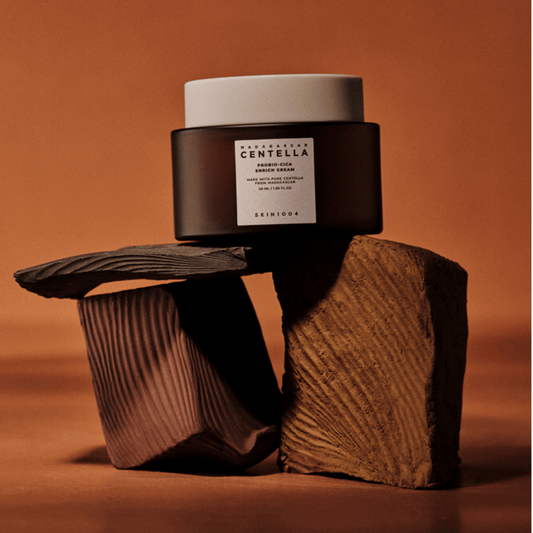

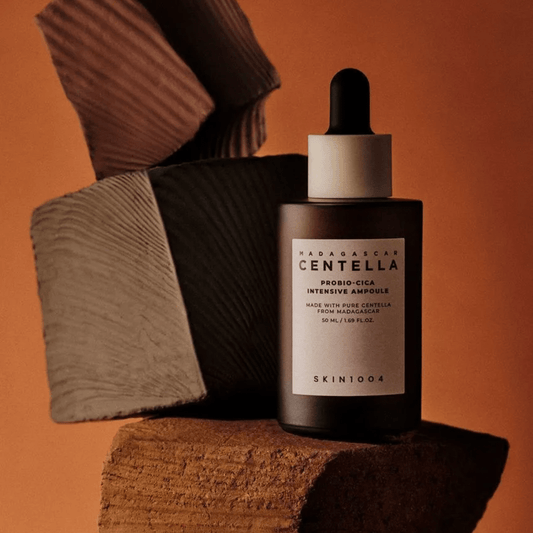
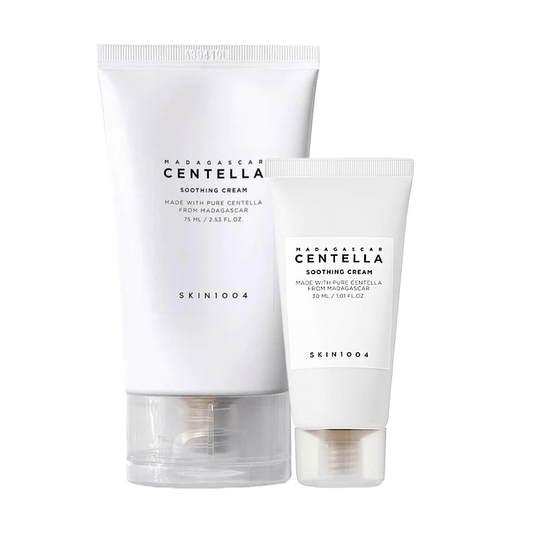
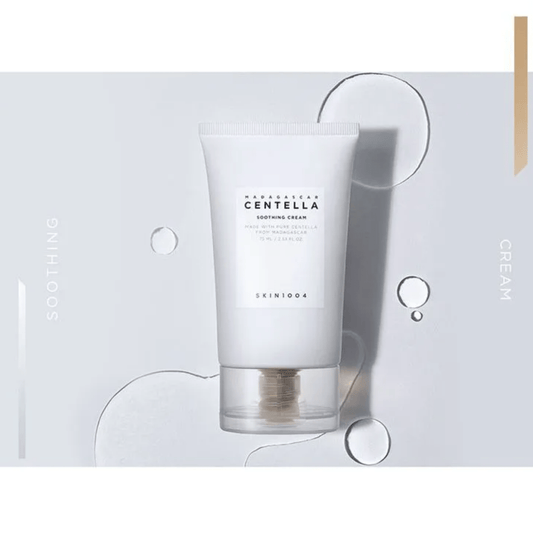

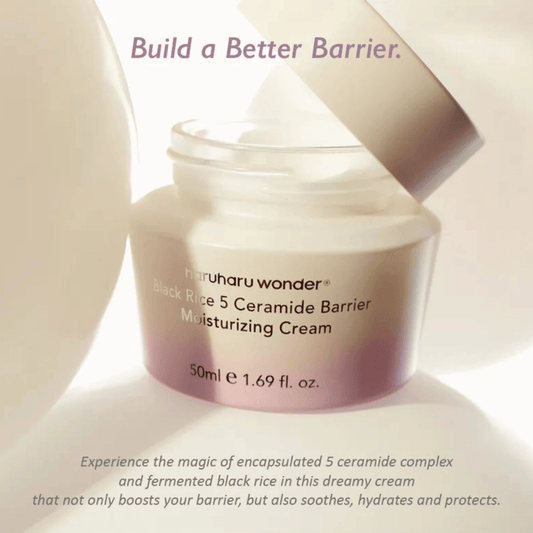

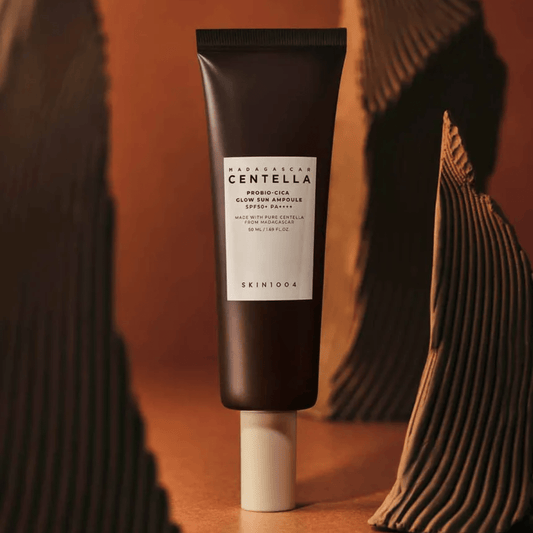

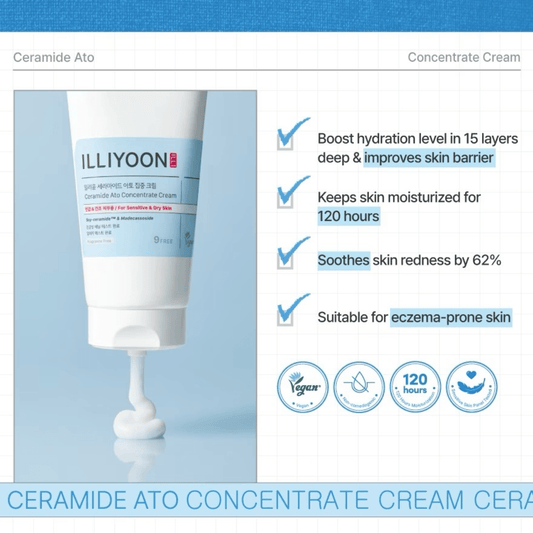
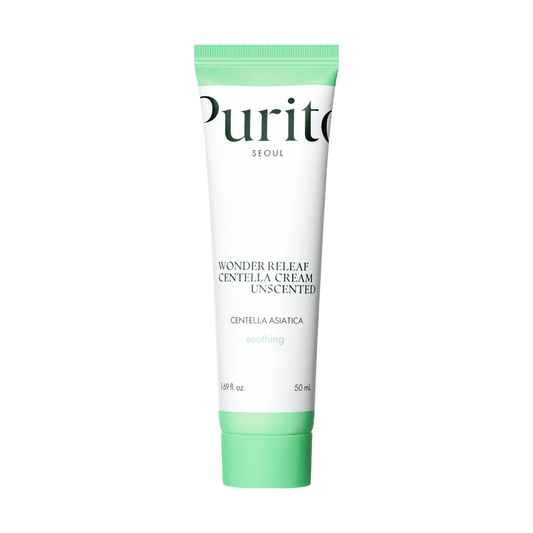
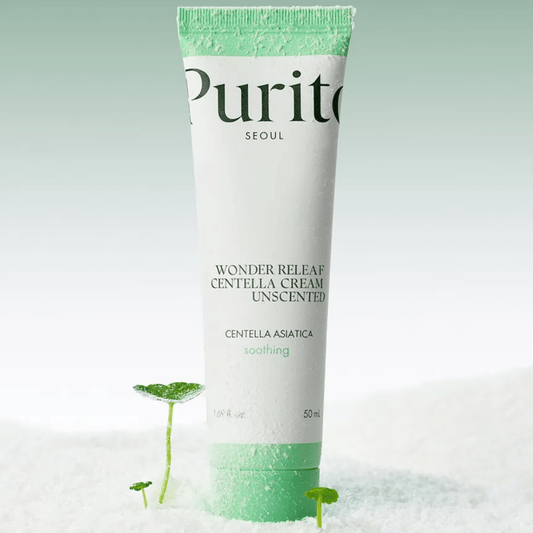
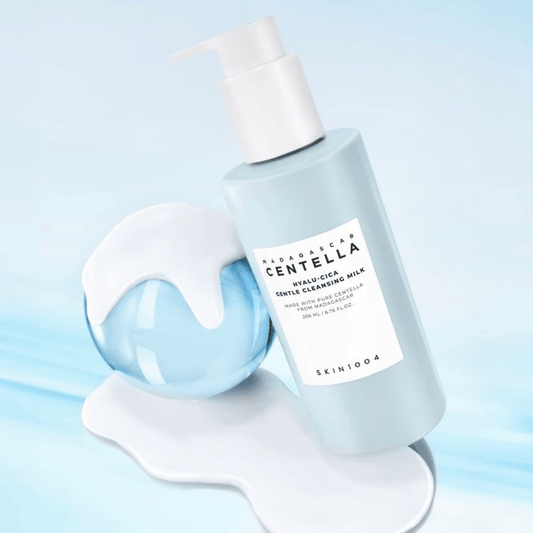
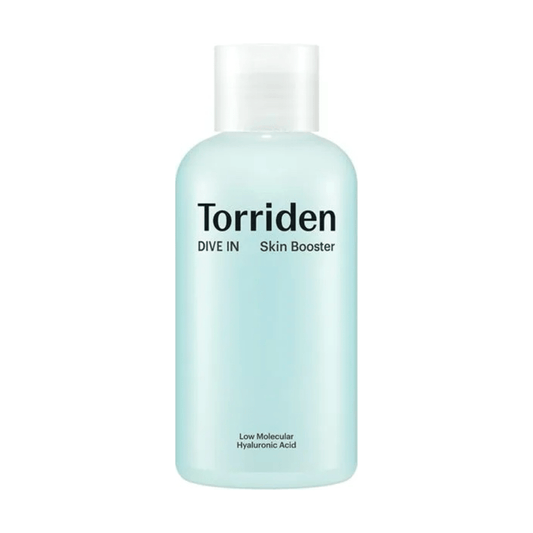

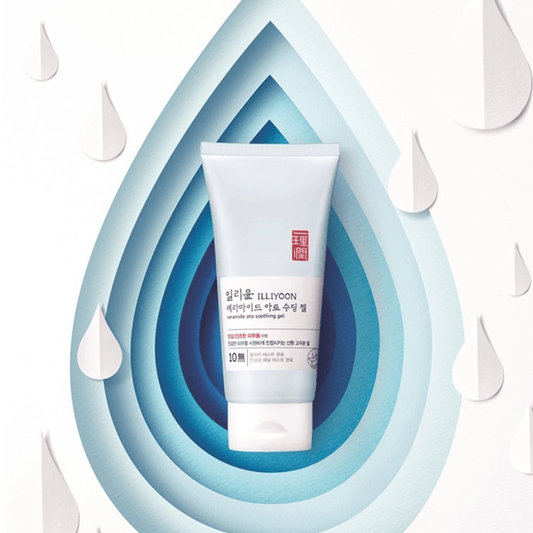



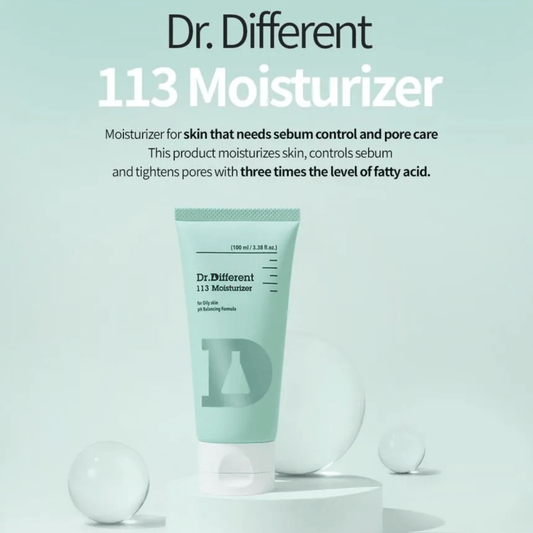
K-Beauty for Sensitive Skin with Phytosphingosine highlights a naturally occurring lipid that plays a critical role in barrier health and skin defence. Phytosphingosine is found in the outermost layer of the skin, where it supports the ceramide structure and provides antimicrobial and anti-inflammatory properties. Korean skincare uses it in targeted formulations for barrier repair and calming.
How Phytosphingosine Helps Repair the Sensitive Skin Barrier
Phytosphingosine is a precursor to ceramides, meaning the skin converts it into ceramides naturally. When applied topically, it feeds the ceramide production pathway, helping the skin rebuild its own lipid barrier from within. This is different from applying ceramides directly. Ceramides fill the barrier gaps immediately, while phytosphingosine stimulates the skin to produce more of its own. For sensitive skin in long-term barrier recovery, both approaches are valuable. Phytosphingosine provides a more sustained, self-generating form of barrier support that complements the immediate effect of topical ceramides.
- Precursor to ceramides: feeds the natural production pathway
- Stimulates the skin to produce its own barrier lipids
- More sustained support than topical ceramides alone
- Complements direct ceramide application for full repair
Is Phytosphingosine Safe for Very Reactive Skin
Yes. Phytosphingosine is naturally present in the skin, so the body recognises it and tolerates it extremely well. It does not sting, does not cause redness, and has no photosensitivity risk. There is no adjustment period. It can be used daily, morning and evening, from the first application. Phytosphingosine is one of the few active barrier-supporting ingredients that has virtually zero irritation risk at the concentrations used in skincare. For very reactive skin that struggles to tolerate even gentle actives, phytosphingosine products are among the safest treatment options available.
- Naturally present in the skin, so very well tolerated
- No stinging, redness, or photosensitivity risk
- No adjustment period, safe from first application
- Virtually zero irritation risk at skincare concentrations
Can Phytosphingosine Reduce Inflammation on Sensitive Skin
Yes. Phytosphingosine has inherent anti-inflammatory and antimicrobial properties. It helps regulate the skin's inflammatory response, reducing the overreaction that causes redness, stinging, and discomfort. Its antimicrobial action helps maintain a balanced skin microbiome, which reduces the bacterial triggers that can worsen sensitivity and breakouts. This combination of barrier building, anti-inflammatory, and antimicrobial activity in a single gentle ingredient makes phytosphingosine particularly valuable for sensitive skin that is also prone to breakouts or infections.
- Inherent anti-inflammatory properties reduce overreaction
- Antimicrobial action maintains a balanced skin microbiome
- Reduces bacterial triggers for sensitivity and breakouts
- Barrier, anti-inflammatory, and antimicrobial in one ingredient
Korean Products Containing Phytosphingosine for Sensitive Skin
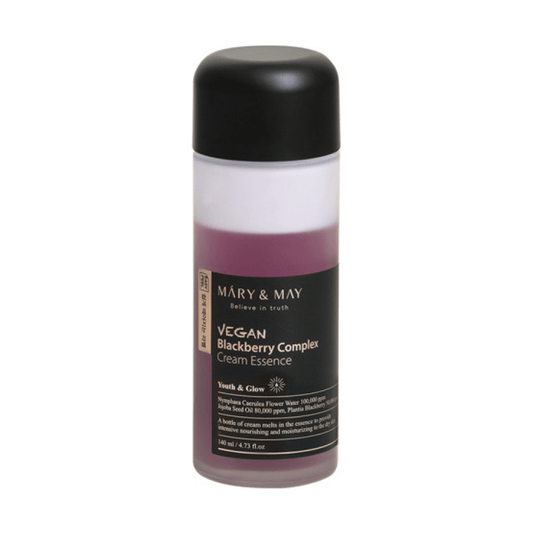
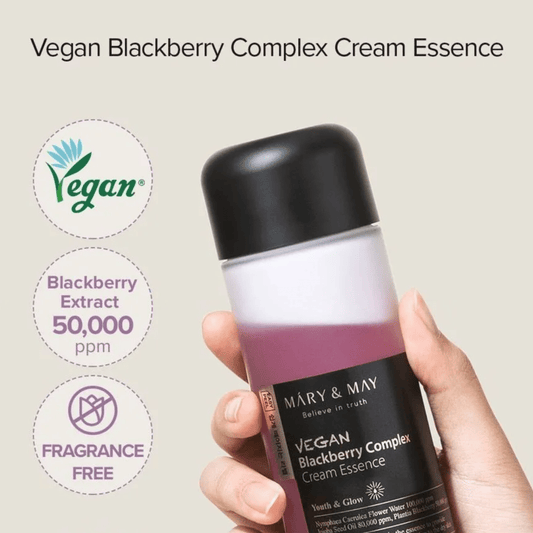
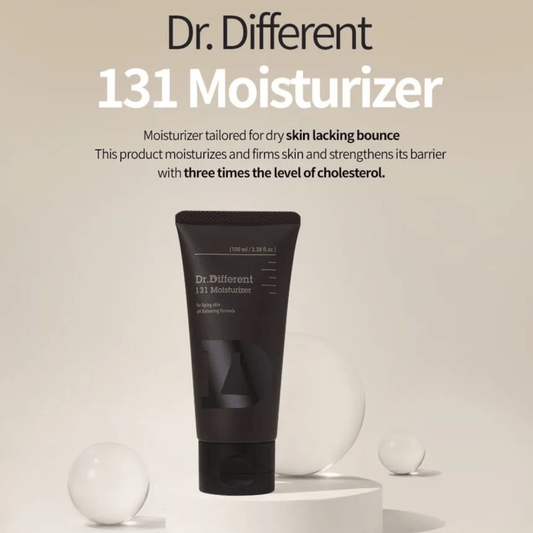
Phytosphingosine appears in Korean toners, essences, serums, and creams formulated for barrier repair and sensitive skin. It is often combined with ceramides, panthenol, and cholesterol to create a complete barrier-repair complex. Look for products where phytosphingosine appears alongside these complementary ingredients. It may also be listed as "phytosphingosine base" in the ingredient list. Korean products that use phytosphingosine tend to be from brands with a strong sensitive skin or clinical focus, and they typically have short, clean ingredient lists.
- Found in toners, essences, serums, and barrier repair creams
- Best combined with ceramides, panthenol, and cholesterol
- May appear as "phytosphingosine base" in ingredient lists
- Typically from brands with a sensitive skin focus
Explore the collection above to find Korean phytosphingosine products that rebuild and protect the sensitive skin barrier.