



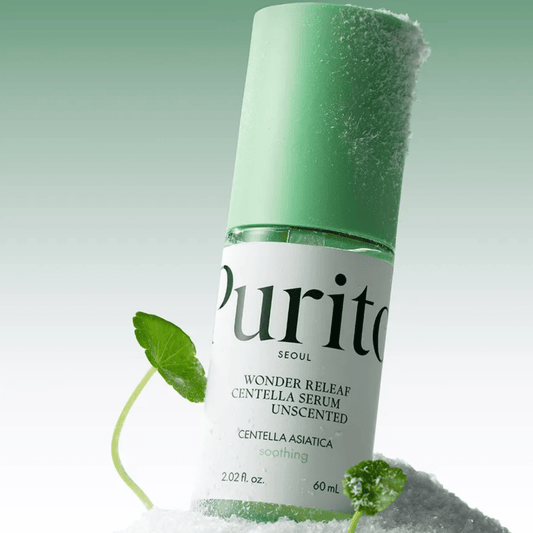
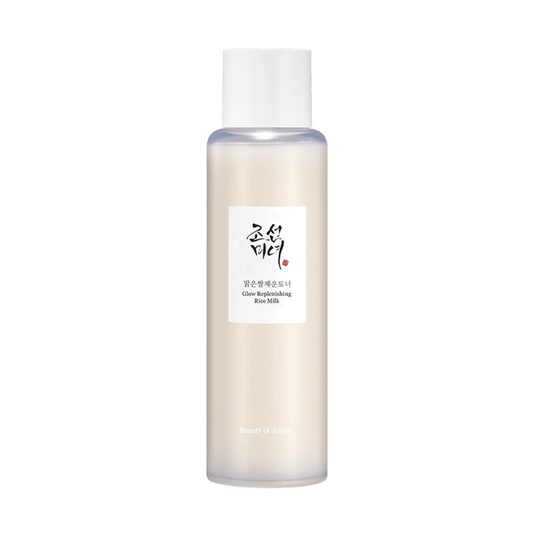
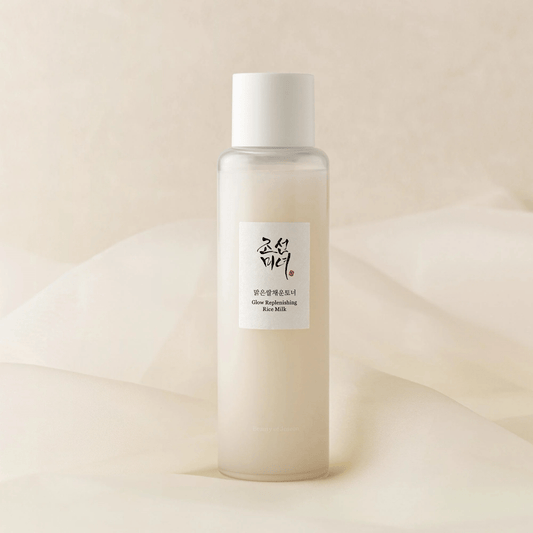
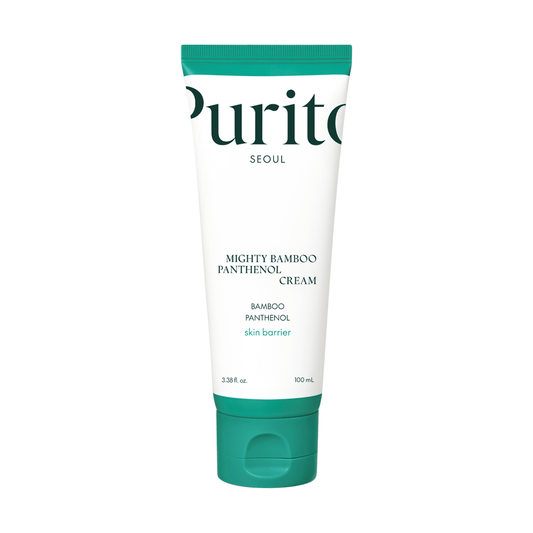




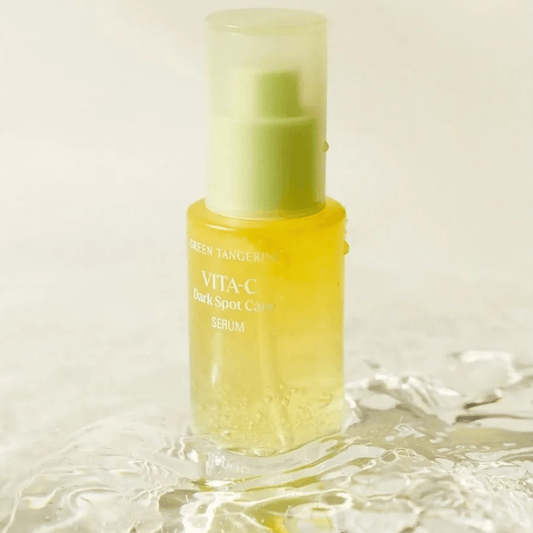

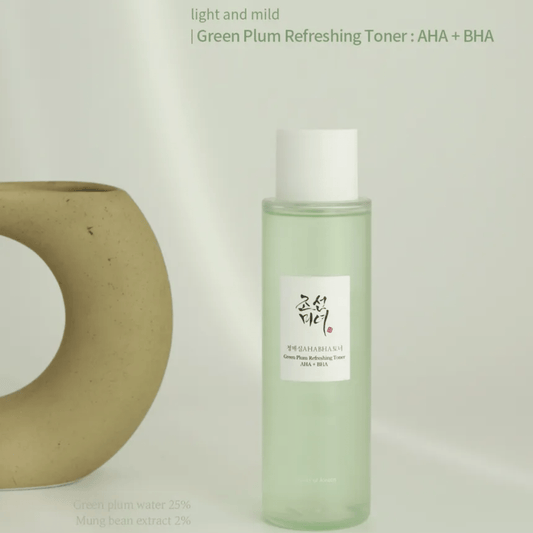

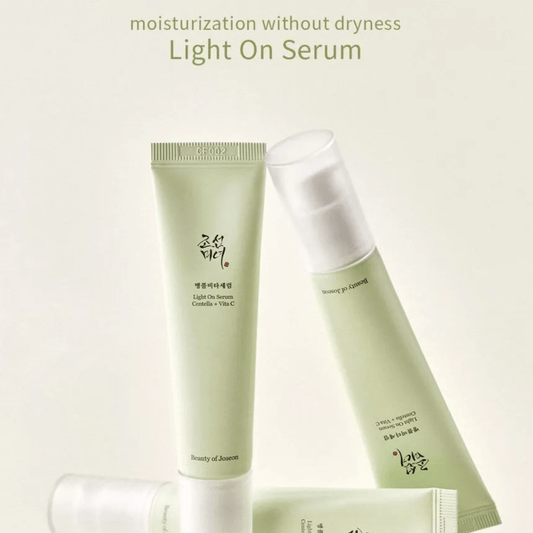

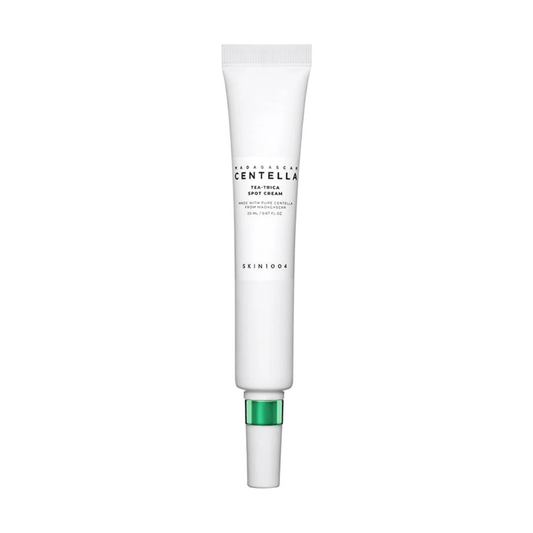
K-Beauty for Sensitive Skin and Pigmentation addresses one of the most frustrating concerns for reactive skin. Pigmentation on sensitive skin is often caused by inflammation itself, meaning the very sensitivity that makes the skin reactive also contributes to the dark marks and uneven tone. Korean skincare offers gentle, barrier-safe approaches that fade pigmentation without triggering more inflammation.
Brightening Ingredients Safe for Pigmentation on Sensitive Skin
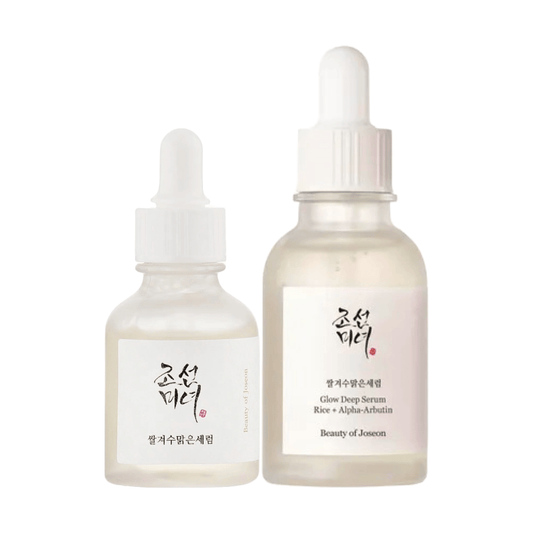
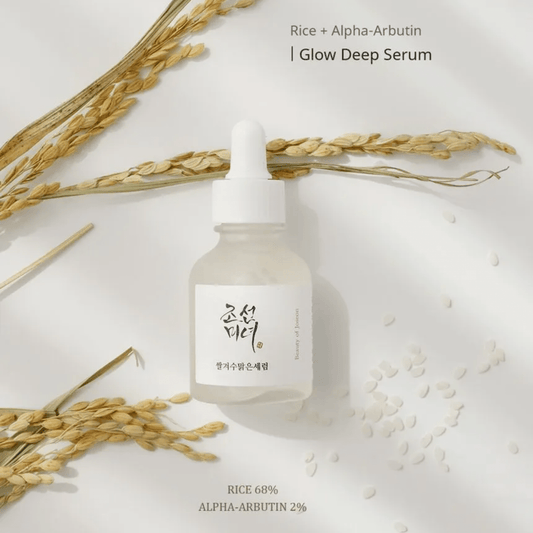
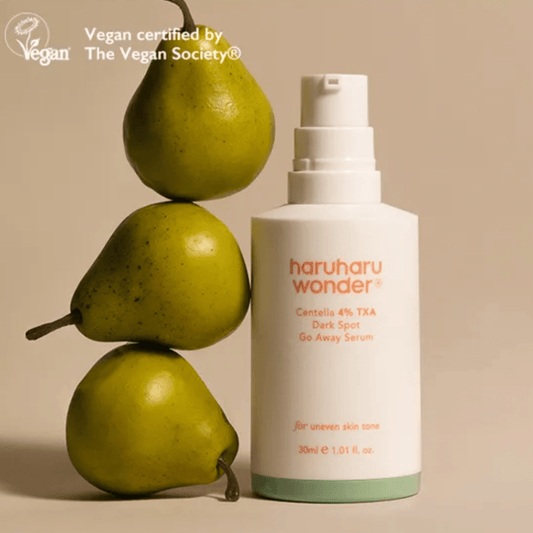
Niacinamide at 2-5% is the safest and most effective brightening ingredient for sensitive skin with pigmentation. It blocks the transfer of melanin to the skin surface without irritation. Arbutin inhibits melanin production at the source and is well tolerated by reactive skin. Tranexamic acid reduces melanin production and is increasingly used in Korean formulations for post-inflammatory pigmentation. Rice extract provides traditional Korean brightening through gentle fermentation compounds. Liquorice root extract (dipotassium glycyrrhizate) calms inflammation while fading marks simultaneously.
- Niacinamide 2-5%: blocks melanin transfer without irritation
- Arbutin: inhibits melanin production at the source
- Tranexamic acid: reduces melanin, good for post-inflammatory marks
- Rice extract: gentle fermentation-based brightening
- Liquorice root: calms inflammation while fading marks
How Long Pigmentation Products Take on Sensitive Skin
Because sensitive skin requires lower concentrations of active ingredients, pigmentation fading takes longer than on resilient skin. Most people notice a subtle improvement in overall brightness within three to four weeks. Specific dark marks and patches take eight to twelve weeks of consistent daily use to fade visibly. Some deeper pigmentation may take four to six months. Patience is essential because trying to speed up the process with stronger products risks triggering new inflammation, which creates new pigmentation, restarting the cycle.
- General brightness improvement in three to four weeks
- Specific marks fade visibly in eight to twelve weeks
- Deeper pigmentation may take four to six months
- Stronger products risk new inflammation and new marks
Can Pigmentation Treatments Irritate Sensitive Skin
Many conventional pigmentation treatments do irritate sensitive skin. Hydroquinone, high-concentration vitamin C, and strong chemical peels can all worsen the problem by causing new inflammation that triggers more melanin production. This creates a frustrating cycle where the treatment itself feeds the pigmentation. Korean skincare avoids this by using gentler brightening ingredients in soothing, hydrating bases. The lower concentration means slower results, but the results are more sustainable because no new inflammation is created during the treatment process.
- Hydroquinone and strong peels can cause new inflammation
- New inflammation triggers more melanin and more marks
- Korean formulations use gentle actives in soothing bases
- Slower results that are more sustainable and lasting
Korean Routine for Pigmentation and Sensitivity
Morning: gentle cleanser, calming toner, niacinamide or arbutin serum, lightweight moisturiser with ceramides, broad-spectrum mineral SPF. SPF is non-negotiable for pigmentation because UV exposure darkens existing marks and creates new ones. Evening: gentle cleanser, calming toner, rice or tranexamic acid serum, barrier cream with ceramides. Introduce brightening products one at a time, starting with one step in the evening. Add the morning brightening step only after two weeks of good tolerance. Consistency is the most important factor in fading pigmentation safely.
- Morning: cleanser, toner, niacinamide serum, moisturiser, SPF
- Evening: cleanser, toner, rice or tranexamic serum, barrier cream
- SPF every morning to protect against UV darkening
- Introduce one brightening product at a time
Explore the collection above to find Korean products that fade pigmentation gently on sensitive skin.