



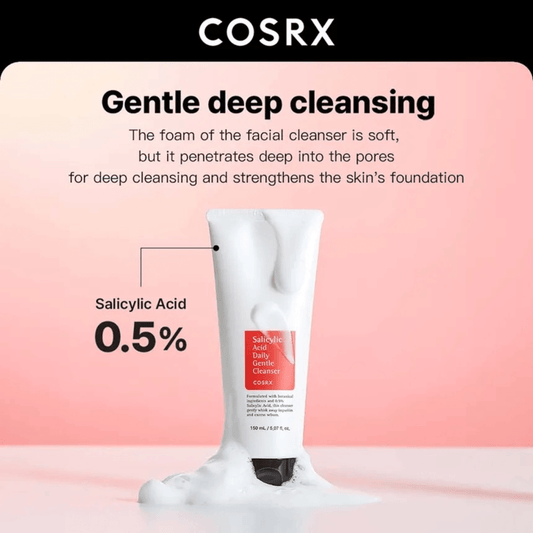

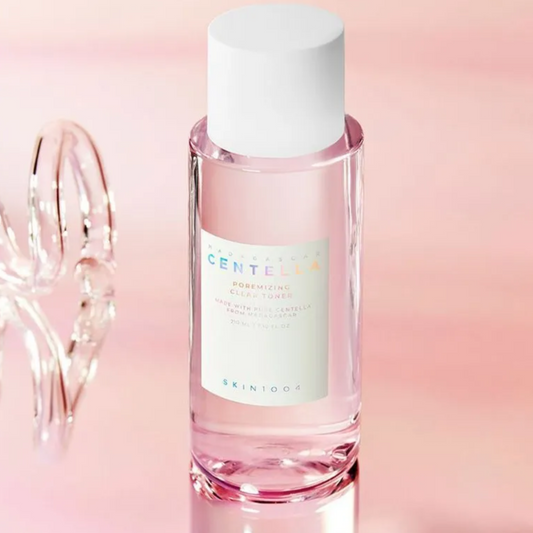

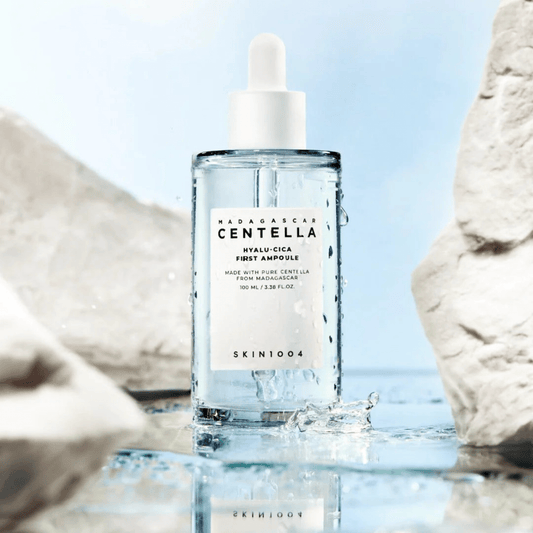


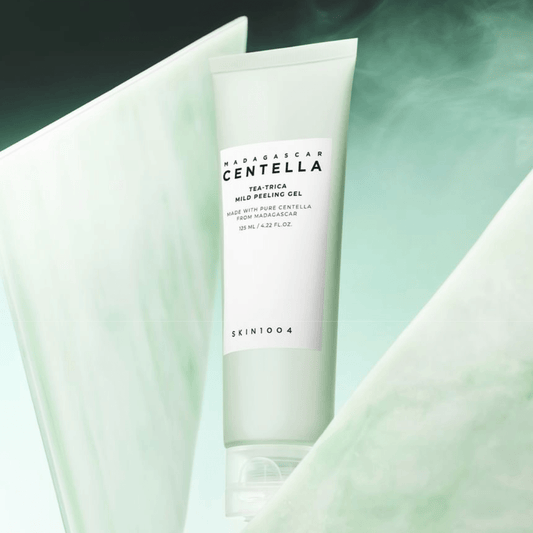

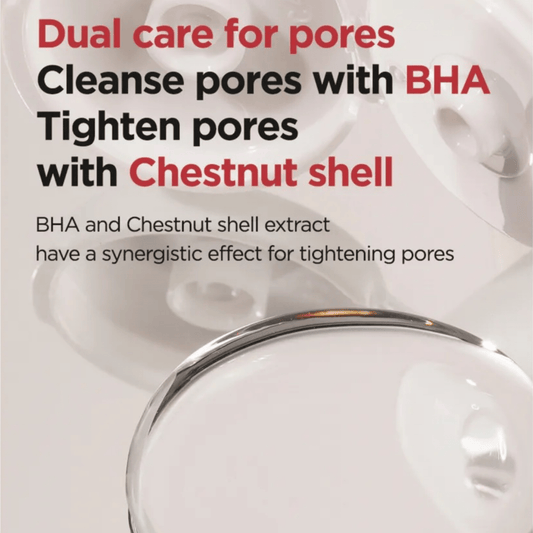







Salicylic acid (BHA) is oil-soluble, which means it can penetrate into pores to dissolve congestion that water-soluble exfoliants cannot reach. For dry skin that also experiences blackheads, surface congestion, or rough texture that doesn't respond to hydration alone, salicylic acid offers a deeper cleansing mechanism than AHAs. The key for dry skin is using it at low concentrations (0.5-1%), in alcohol-free or low-alcohol bases, and always following with a thorough hydrating routine.
Is Salicylic Acid Safe for Dry Skin
Salicylic acid can worsen dryness if used at high concentrations, in alcohol-heavy bases, or too frequently. For dry skin, the safest approach is betaine salicylate -- a gentler derivative used widely in K-beauty that delivers BHA activity with significantly less drying effect -- or low-concentration (0.5-1%) salicylic acid in an alcohol-free formula. Korean brands like COSRX have pioneered this approach, making BHA accessible to skin types outside the typical oily-acne-prone audience.
- Betaine salicylate is the gentlest BHA form for dry skin
- 0.5-1% concentration is appropriate for dry skin types
- Alcohol-free or low-alcohol base is essential
- COSRX BHA Blackhead Power Liquid is a widely used example
How Often to Use BHA on Dry Skin
Dry skin benefits from a more cautious frequency with salicylic acid than oily skin. Starting at once a week allows the skin to show how it responds. If there is no tightness, redness, or worsening dryness after two to three sessions, increasing to twice or three times weekly is reasonable. Daily BHA use is generally too frequent for dry skin. Always follow with a complete hydrating routine on BHA evenings to counterbalance any drying effect from the exfoliant.
- Start with once per week and assess the skin's response
- Two to three times weekly is the maximum for most dry skin types
- Never use daily on dry or compromised skin
- Full hydrating routine immediately after BHA application
What Salicylic Acid Does on Dry Skin
On dry skin with congested pores, salicylic acid dissolves the sebum-dead cell plugs that block pores and create the rough texture that hydration alone cannot smooth. Consistent low-frequency use shows improvement in pore congestion and surface texture within four to six weeks. The skin should not feel stripped or tight if the product and frequency are right -- if it does, the concentration is too high or the base too drying for your particular barrier state.
- Dissolves pore-blocking debris that hydration cannot address
- Improvement in congestion and texture in four to six weeks
- Skin should not feel stripped with the right product and frequency
- SPF the following morning is essential with any BHA use
After BHA: Rebuilding the Barrier
The evening after BHA use is the most important routine application of the week for dry skin. Exfoliation opens the skin's surface and temporarily increases permeability, which makes the hydrating steps more effective but also means moisture escapes faster if the routine is skipped. A rich hydrating toner, a ceramide-containing serum, and a generous moisturiser on BHA evenings ensures the barrier is well-supported through the recovery period and the fresh surface is protected overnight.
- Rich hydrating toner immediately after BHA application
- Ceramide serum to support barrier recovery
- Generous moisturiser to seal and protect the freshly exfoliated surface
- Sleeping mask on BHA evenings for maximum overnight support
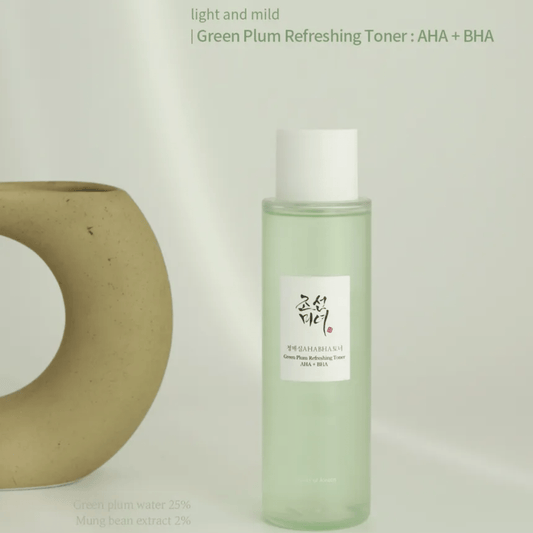
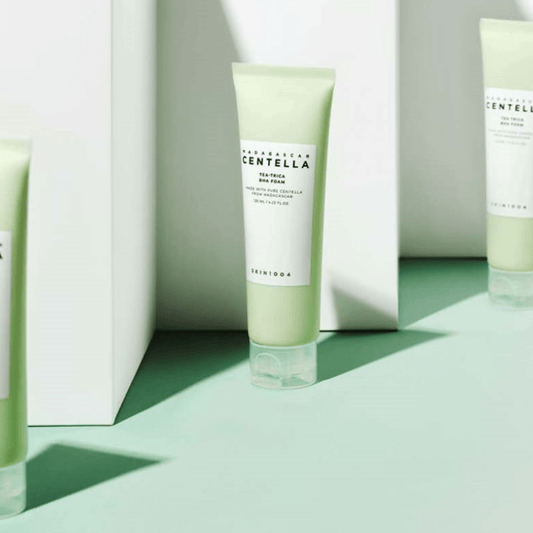
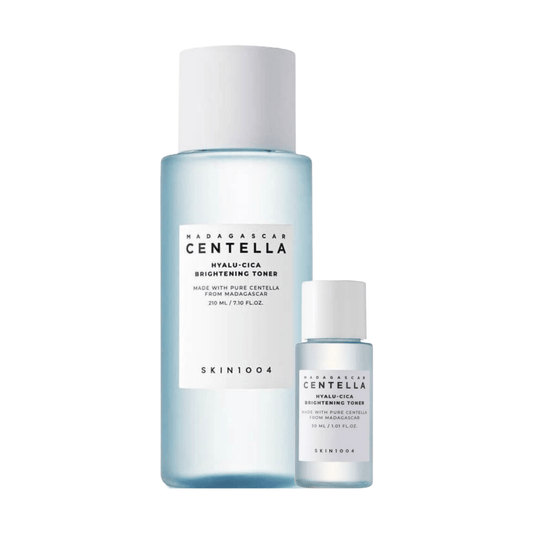
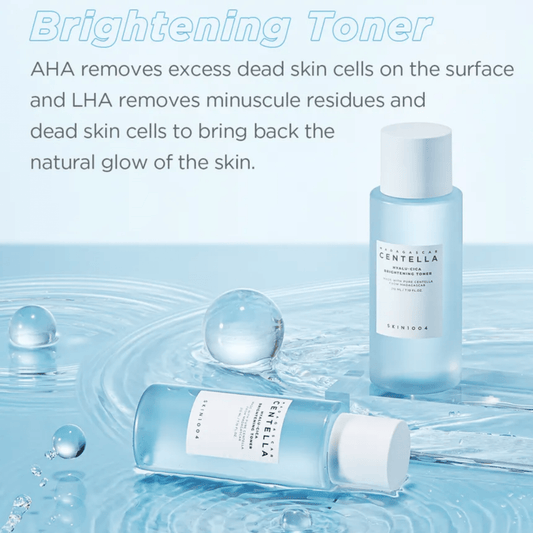
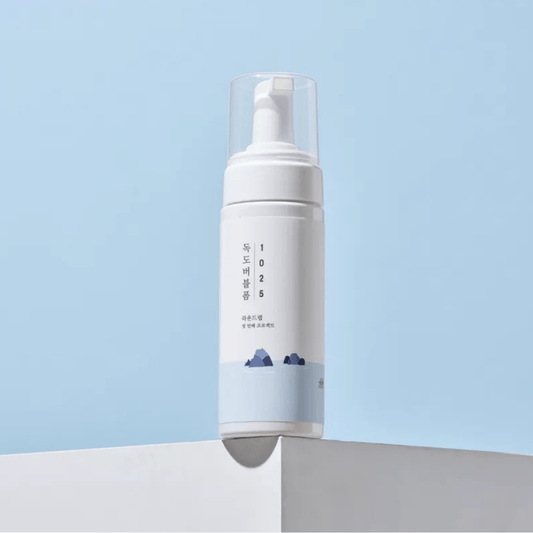
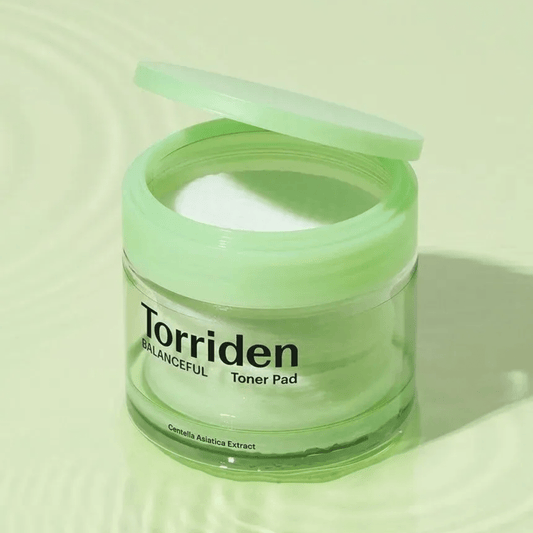
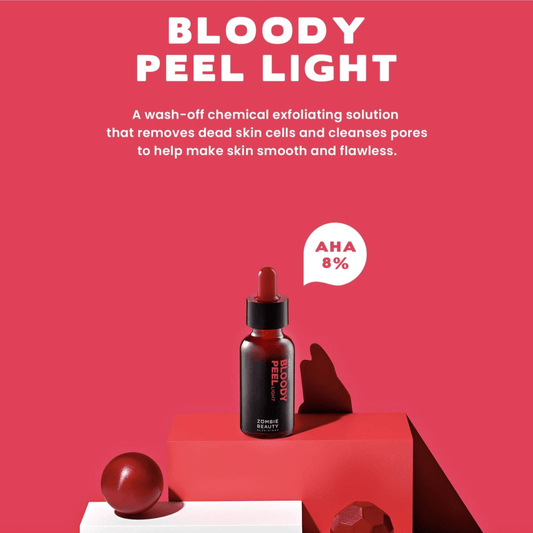
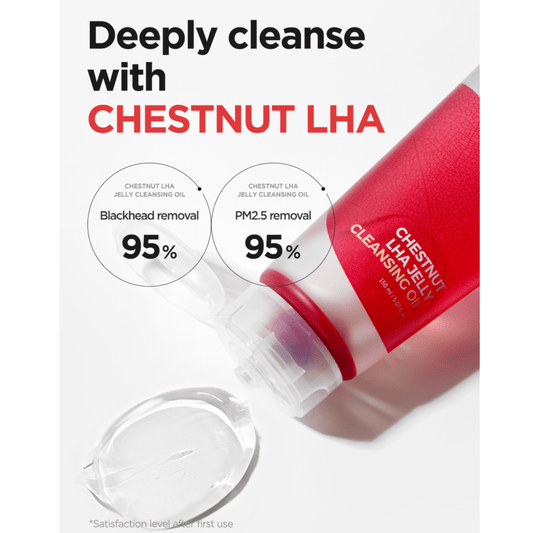
Find Korean salicylic acid products suited to dry skin below -- low concentrations, gentle bases, and BHA formats that exfoliate without compromising the barrier.