




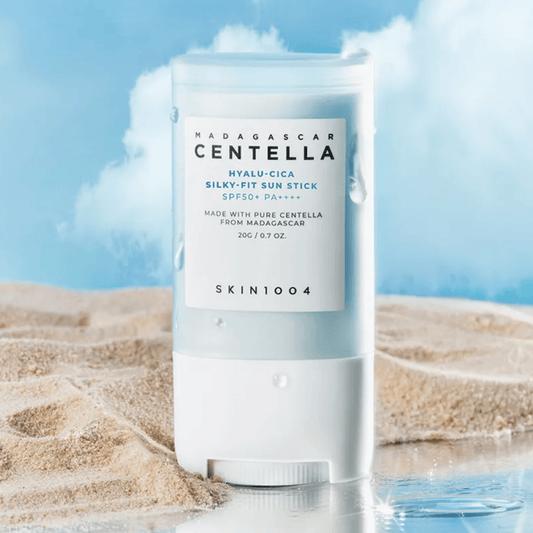
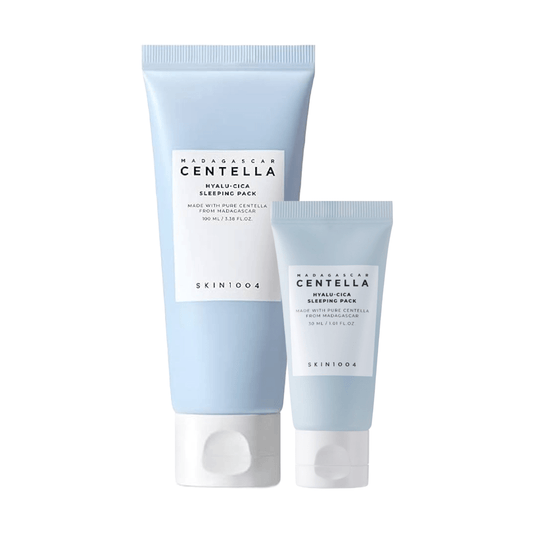
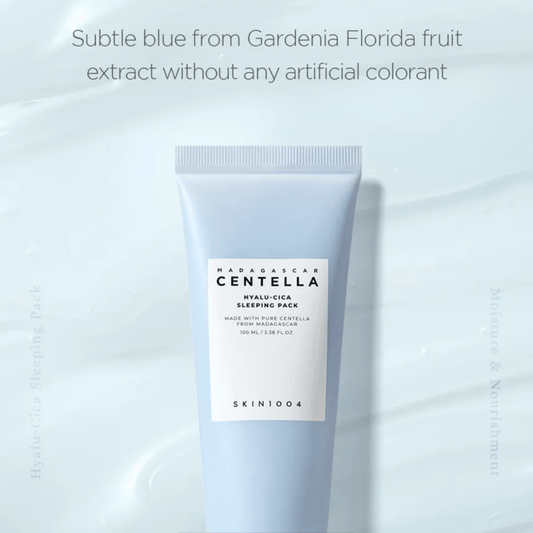






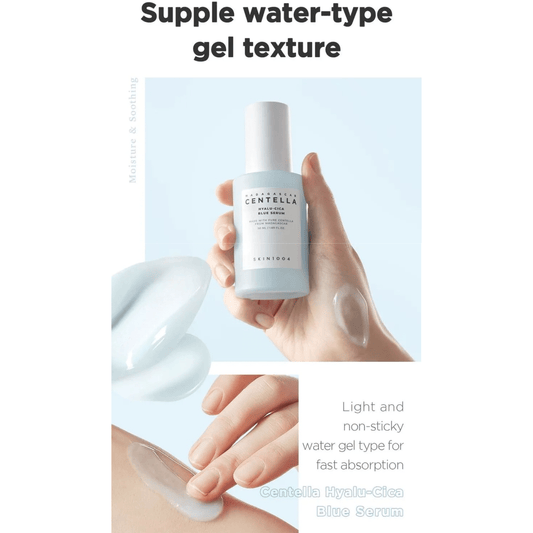


K-Beauty for Dryness with Hyaluronic Acid places one of the most effective moisture-drawing ingredients at the centre of dry skin care. Hyaluronic acid is not a solution for dry skin, which is rooted in oil deficiency, not just water loss, but it addresses the dehydration layer that sits on top of that oil deficiency and makes dry skin feel worse. Korean skincare uses it across multiple steps and at multiple molecular weights for a more thorough approach than a single-product application.
How Hyaluronic Acid Helps Dry Skin
Dry skin loses water through its depleted lipid barrier at a faster rate than oilier types. Hyaluronic acid is a sugar molecule that can hold up to a thousand times its weight in water, drawing moisture from the environment and holding it against the skin surface. High molecular weight forms sit on the skin and form a moisture-holding film. Low molecular weight forms penetrate deeper to hydrate from within. Using both together, as many Korean toners and essences do, addresses dryness at the surface and below it simultaneously.
- Draws water from air and deeper skin layers
- High molecular weight forms a surface moisture film
- Low molecular weight hydrates from deeper layers
- Both forms together suit dry skin best
Safe Use on Dry, Sensitive Skin
Hyaluronic acid is one of the most universally tolerated skincare ingredients. It carries essentially no irritation risk, has no fragrance, and does not interact negatively with other common actives. For dry, sensitive skin this is significant. It delivers meaningful hydration without adding a trigger risk. The only caution is that in very dry air, hyaluronic acid applied without a follow-up moisturiser can draw moisture out of the skin rather than the environment. Sealing with a ceramide or squalane cream is the essential next step.
- Virtually no irritation risk across skin types
- No fragrance or active-conflict concerns
- Must be sealed with moisturiser in dry air
- Ceramide or squalane cream seals hydration in
When and How Often to Use Hyaluronic Acid on Dry Skin
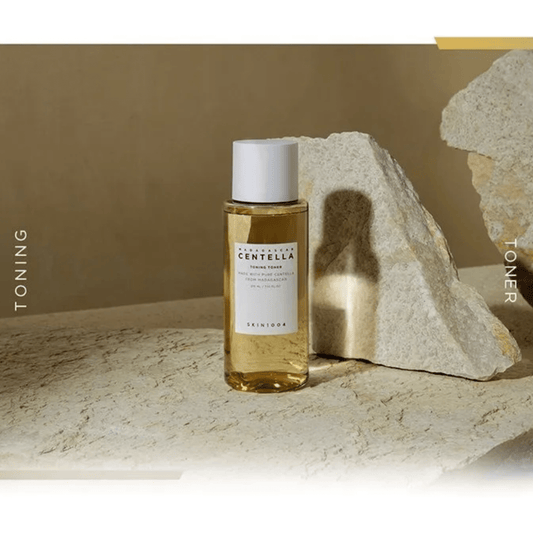
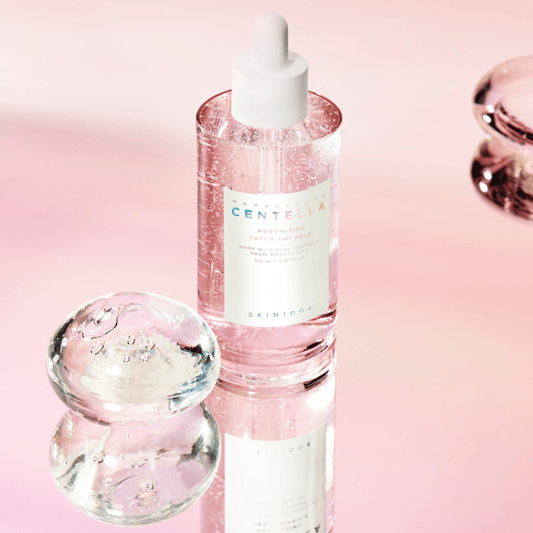
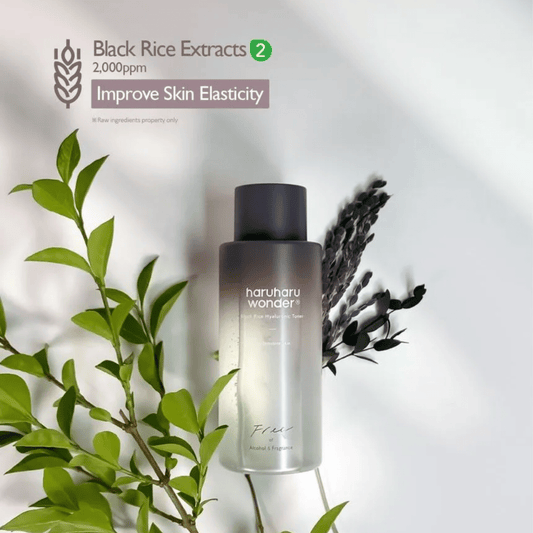
Morning and evening application both benefit dry skin. Applying to damp skin after cleansing, before the skin has fully dried, gives hyaluronic acid the surface water it needs to draw into the deeper layers. A toner with hyaluronic acid followed by an essence containing it layers the hydrating effect. Dry skin types can use hyaluronic acid daily at every step without risk of over-application.
- Apply to damp skin for best results
- Morning and evening use suits dry skin
- Layer toner and essence both containing it
- Daily use is safe and beneficial
What to Be Careful of When Using Hyaluronic Acid
The main limitation for dry skin is the sealing step. Hyaluronic acid draws and holds moisture but does not prevent it from evaporating. A rich ceramide moisturiser, facial oil, or sleeping mask applied immediately after locks in the water that hyaluronic acid has gathered. Without this seal, particularly in dry, cold, or centrally heated environments, the skin can feel drier after hyaluronic acid than before.
- Always seal with a moisturiser or facial oil
- Dry air environments need a richer occlusive layer
- Sleeping mask seals overnight for intensive results
- Omitting the seal step can worsen dryness
Explore the hyaluronic acid Korean skincare collection above. Apply to damp skin and seal well, that simple sequence gives dry skin its best chance at lasting comfort.