
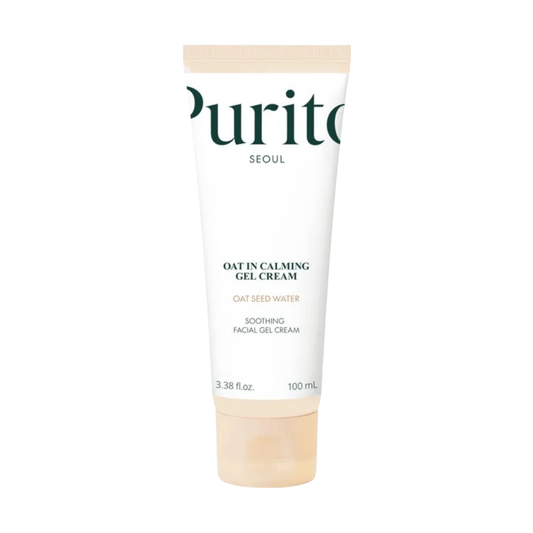
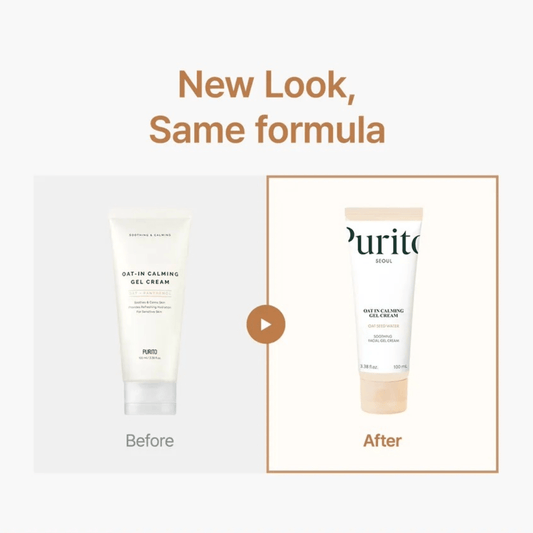
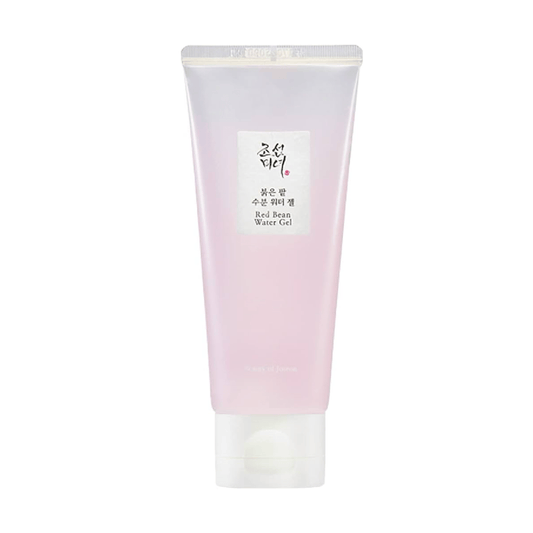
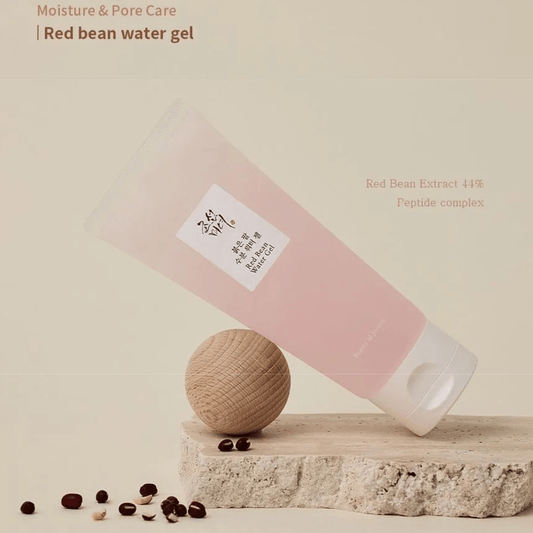





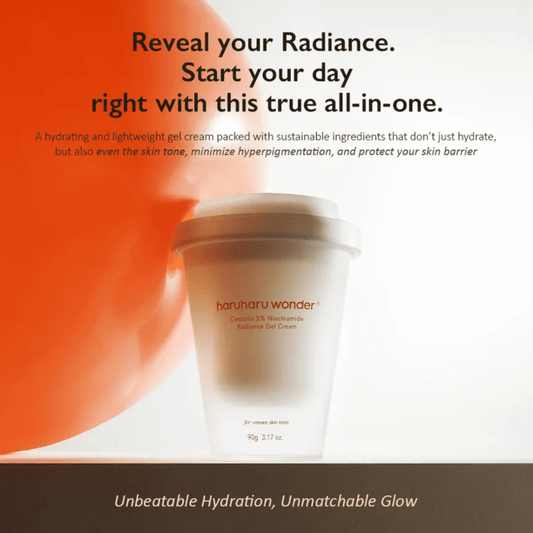

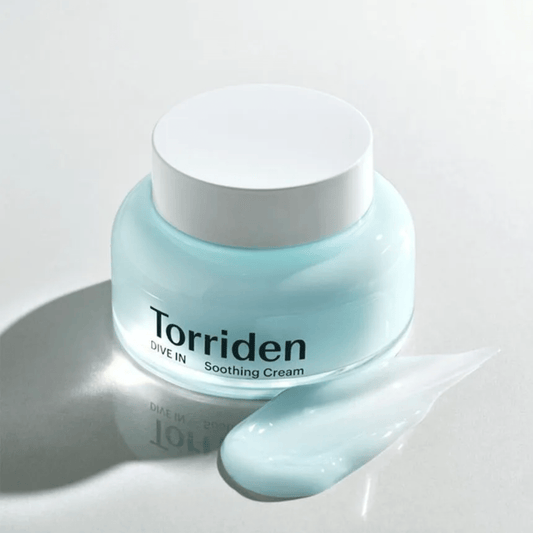


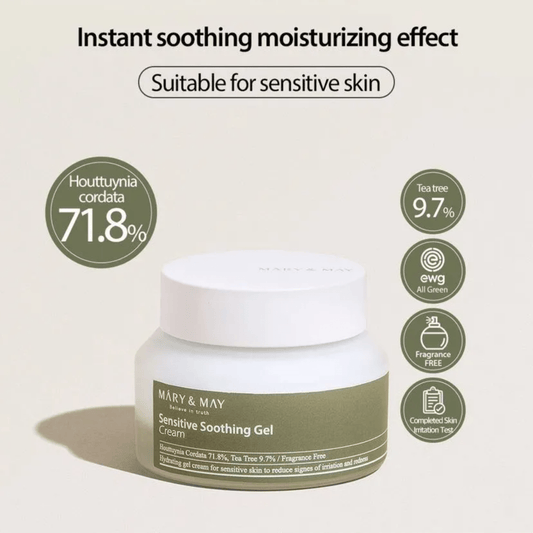

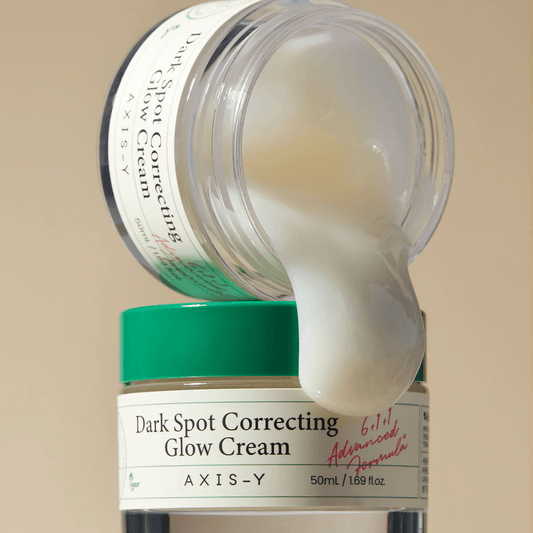

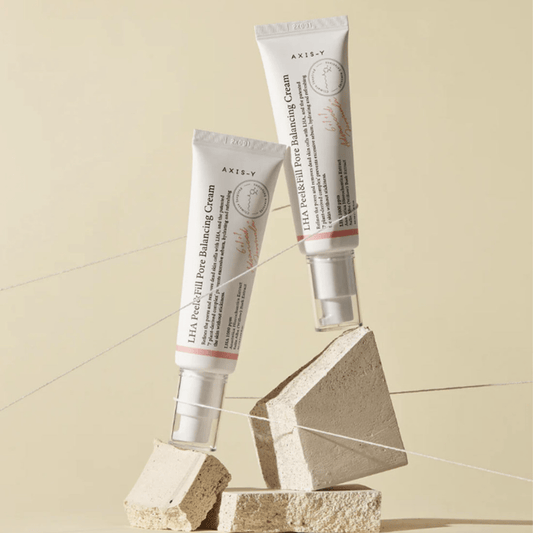


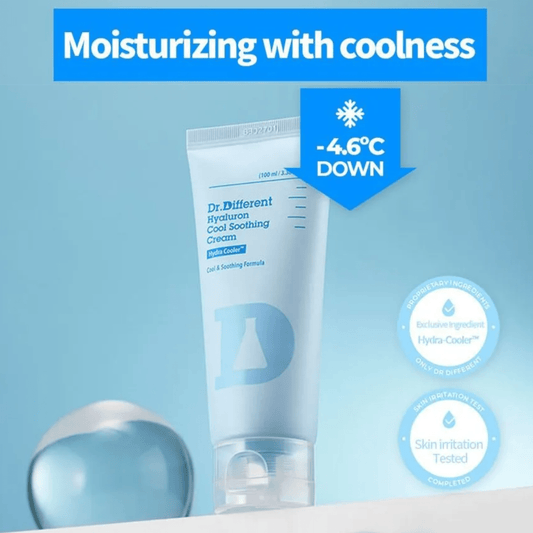
Gel Creams occupy a useful middle ground in skincare - lighter than a traditional moisturiser but more nourishing than a plain water gel. The texture is smooth and refreshing, absorbs quickly, and leaves the skin feeling hydrated and balanced without any residue or shine. For oily and combination skin types, this is often the most comfortable daily moisturiser format.
What Makes a Gel Cream Different
A regular moisturiser uses emollients and occlusives to seal moisture into the skin - these ingredients tend to sit on the surface and can feel heavy. A gel cream uses a water-based gel matrix that delivers hydration without a heavy feel. The texture spreads easily, absorbs quickly, and rarely causes the congested feeling that thicker formulas can create. This makes gel creams particularly well suited to anyone who has ever felt that moisturisers are too rich for their skin type.
- Water-based matrix - no heavy surface feel
- Spreads easily and absorbs quickly
- Less likely to cause congestion than richer creams
- Leaves skin feeling balanced, not oily or tight
Are Gel Creams Suitable for Oily and Combination Skin
Yes - gel creams are one of the best moisturiser formats for these skin types. Oily skin still needs hydration; without it, the skin can overproduce sebum to compensate for a disrupted moisture balance. A lightweight gel cream provides the hydration the skin needs without adding any extra oil or thickness to the surface. For combination skin, it gives even coverage across both the drier and oilier areas of the face without looking different on each zone.
- Oily skin still needs hydration - gel creams provide it
- Prevents the skin overproducing sebum
- Suitable for combination skin across all zones
- No visible difference between oily and dry areas after use
How to Use a Gel Cream in Your Routine
Apply after your serum or essence and before SPF. Gel creams are light enough to wear under sunscreen and makeup without pilling or sliding. In the evening, apply after serums as your final step - or before a sleeping mask if extra overnight support is needed. Use a fingertip amount; gel creams tend to spread further than they look, and using too much can leave the skin feeling slightly tacky. A small amount warmed briefly between the fingers will spread evenly across the face.
- Apply after serum, before SPF in the morning
- Works under makeup without pilling
- Evening: final step or before sleeping mask
- Use less than you think - it spreads well
Ingredients That Hydrate Without Heaviness
The most effective hydrating ingredients in gel creams are those that attract and hold water without adding oil or thickness. Hyaluronic acid draws moisture to the skin's surface layers. Sodium PCA - which naturally occurs in healthy skin and helps retain water - is a gentle, skin-compatible hydrator. Beta-glucan from oats provides calming hydration that suits reactive skin particularly well. Niacinamide, which helps even out tone and minimise the look of enlarged pores, is a common and reliable addition to gel formulas.
- Hyaluronic acid to draw moisture to surface layers
- Sodium PCA for skin-compatible water retention
- Beta-glucan for calming, comfortable hydration
- Niacinamide for pore appearance and even tone
Find the gel cream that fits your routine and your skin type. Browse the range and choose a formula that keeps the skin feeling hydrated, balanced, and comfortable all day.
