


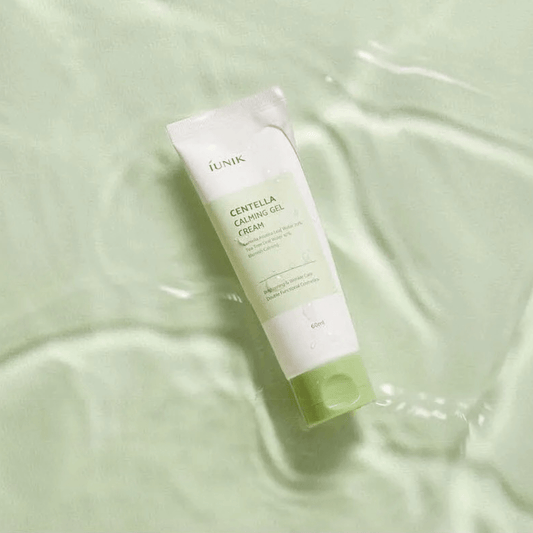

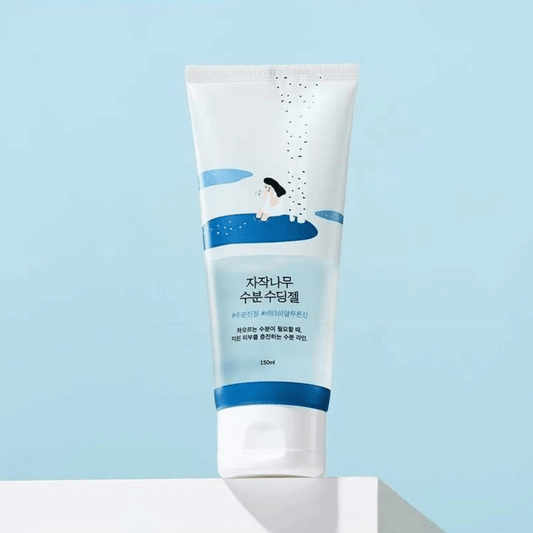

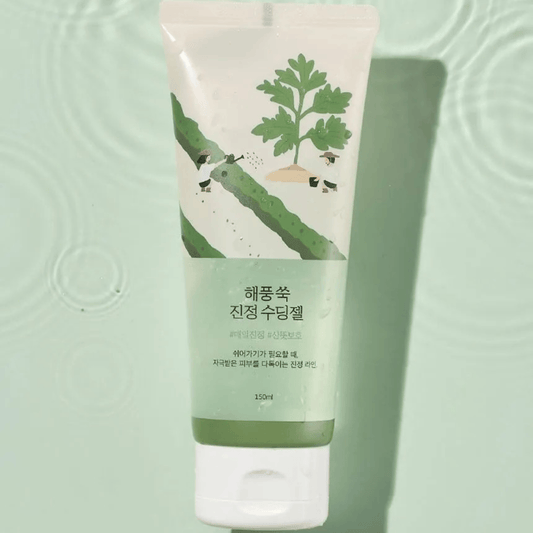
Gels are one of the most versatile formats in skincare - lightweight, fast-absorbing, and effective for a wide range of skin types and concerns. The high water content gives instant hydration, and the thin, fluid texture means there is nothing sitting on the skin after absorption. For oily, combination, or breakout-prone skin, gels often become the daily format of choice.
Ingredients That Make Gels Effective for Oily Skin
The best gel formulas for oily skin balance hydration with ingredients that help regulate the surface. Niacinamide helps even out tone and minimise the visible appearance of enlarged pores. Salicylic acid, when present, helps keep pores clear without over-drying. Centella asiatica supports a calm, balanced complexion. Hyaluronic acid provides the hydration without adding any oil or heaviness. A gel formula built around these ingredients will hydrate without contributing to shine or congestion.
- Niacinamide for pore appearance and even tone
- Salicylic acid to keep pores clear
- Centella for a calm, balanced complexion
- Hyaluronic acid for lightweight surface hydration
Gels vs Creams - Texture and Absorption
Creams contain emollients and occlusives that sit on the surface to seal moisture in - this is what creates the richer, heavier feel. Gels use a water-based matrix with minimal film-forming agents, which allows them to absorb almost immediately. The skin feels refreshed rather than coated. For warmer months or humid climates, gels are often more comfortable than creams. In cooler or drier conditions, a gel may not provide enough barrier support for very dry skin types, which benefit more from a richer formula.
- Gels absorb immediately - no surface residue
- Creams seal moisture in with a surface layer
- Gels suit warmer months and humid conditions
- Very dry skin may need a richer formula in winter
Can a Gel Be a Standalone Moisturiser
For oily and combination skin types, a gel can absolutely serve as the sole moisturising step. It provides enough hydration for skin that does not lose moisture quickly. Dry or dehydrated skin may need something more - either a richer formula or a gel layered over a hydrating serum to build more depth. A simple test: if your skin still feels comfortable and balanced four to six hours after applying a gel alone, it is working as a standalone moisturiser for your skin type.
- Standalone moisturiser for oily and combination skin
- Layer over serum for drier skin types
- Test comfort levels four to six hours after applying
- Richer formula needed if skin feels tight by afternoon
Gels That Also Calm Redness and Irritation
Many gel formulas are specifically designed to calm as well as hydrate. Centella asiatica-based gels are among the most popular for sensitive and reactive skin because centella visibly reduces redness and supports the skin's natural calming process. Aloe vera gel provides immediate cooling comfort. Beta-glucan from oats is another gentle, calming hydrator that suits even the most reactive skin types. For skin that is prone to flushing or irritation, a calming gel used consistently can make a real difference to visible redness over time.
- Centella-based gels visibly reduce redness
- Aloe vera gel for immediate cooling and calm
- Beta-glucan for gentle hydration on reactive skin
- Consistent use reduces visible redness over time
Explore the range and find the gel that suits your skin type and your routine. A lightweight, well-chosen formula keeps the skin feeling refreshed, balanced, and comfortable from morning to evening.