

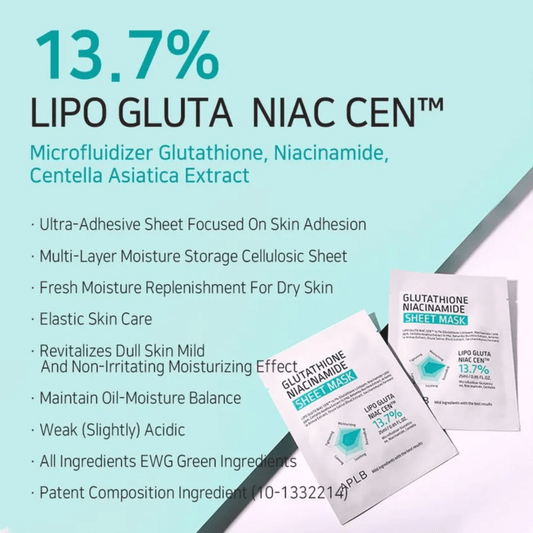
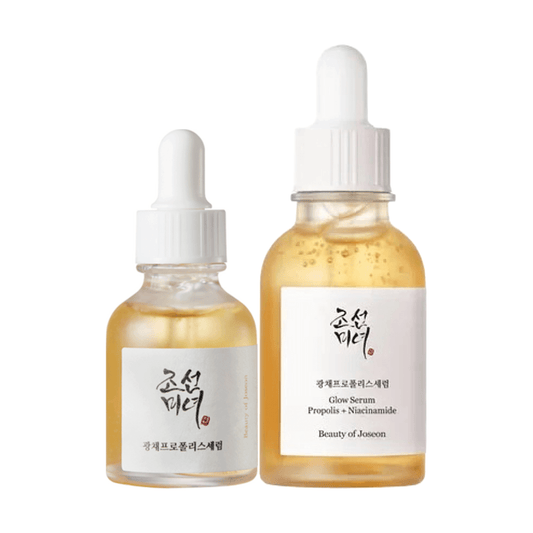
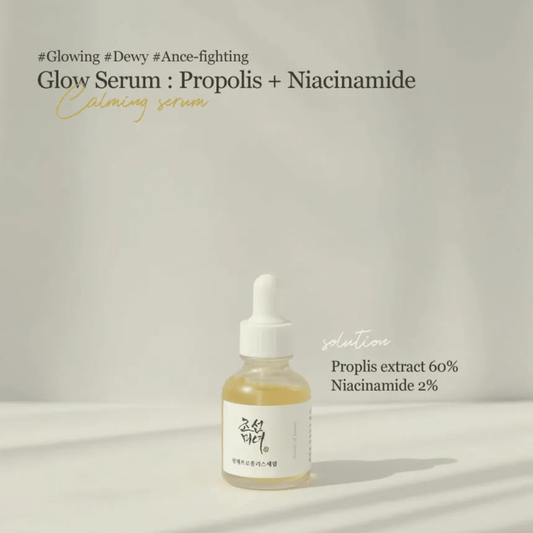

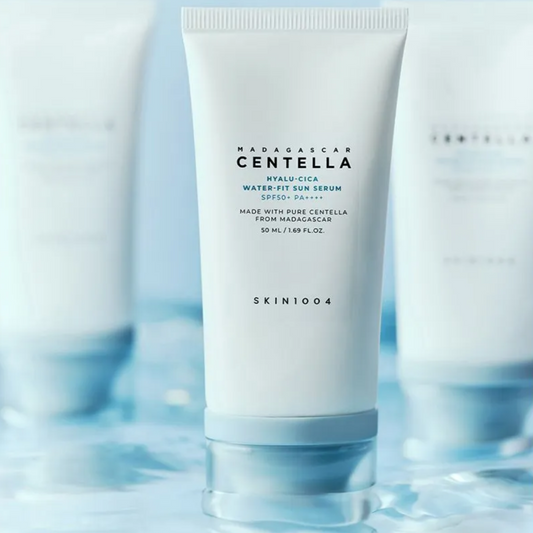

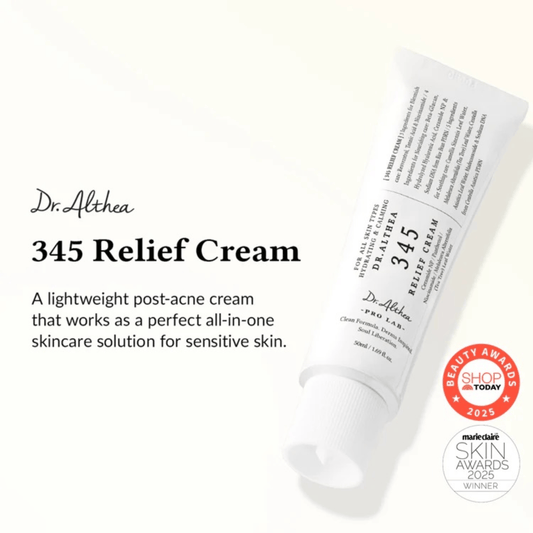

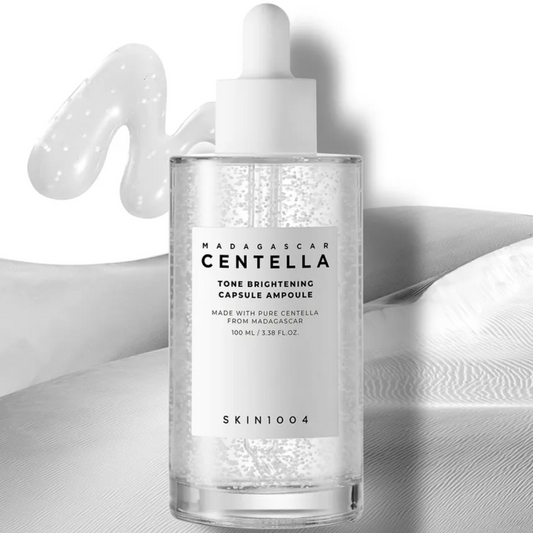

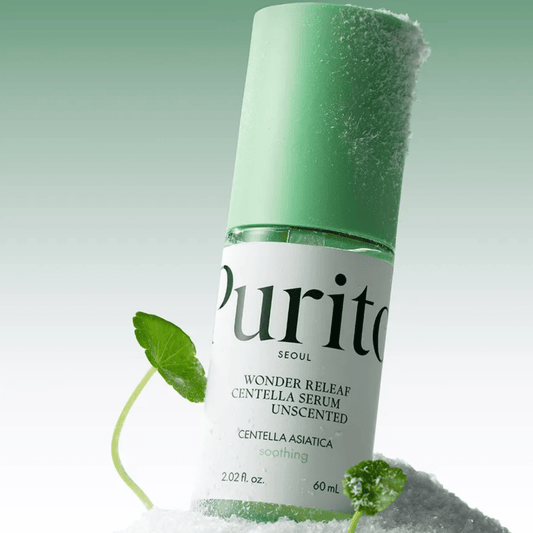
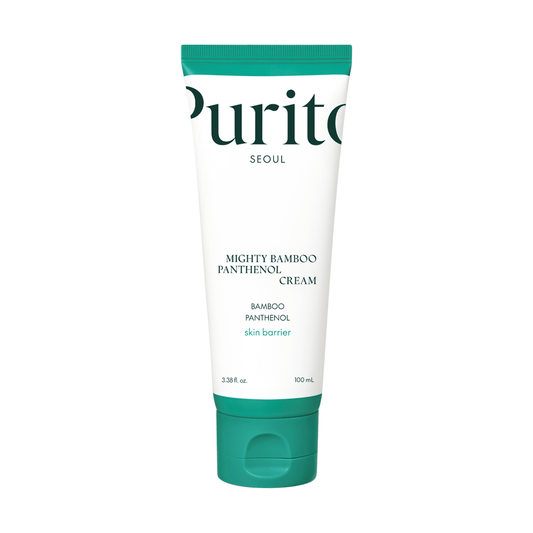
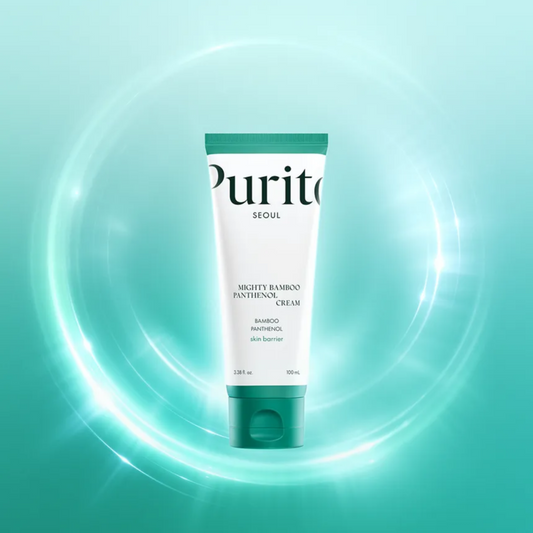

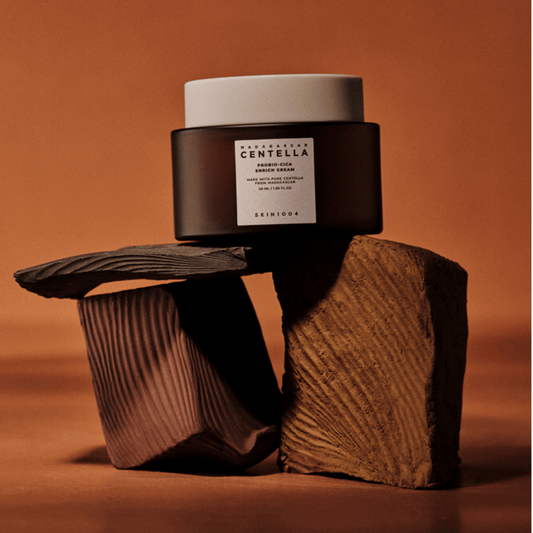

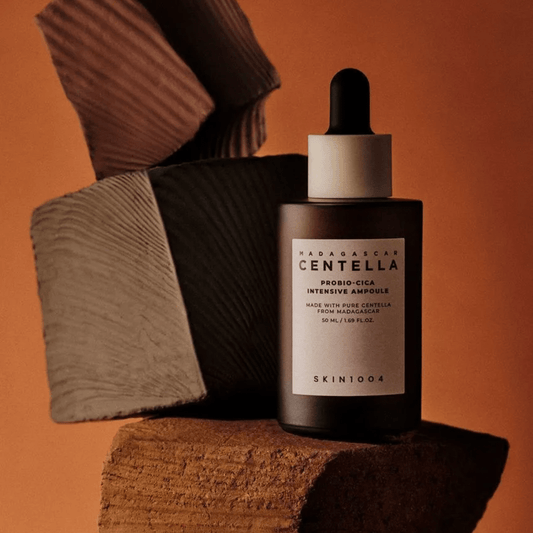

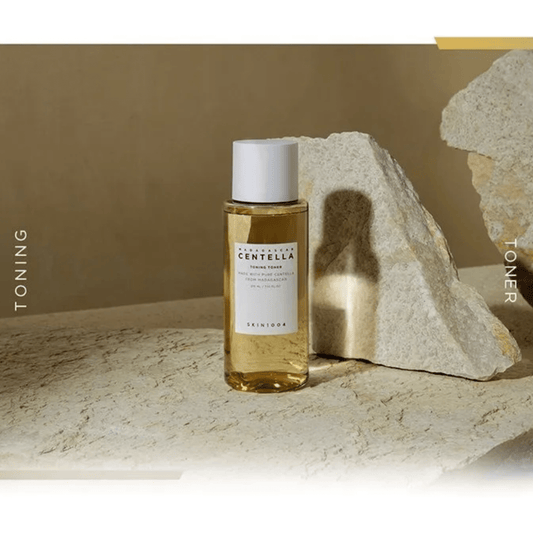
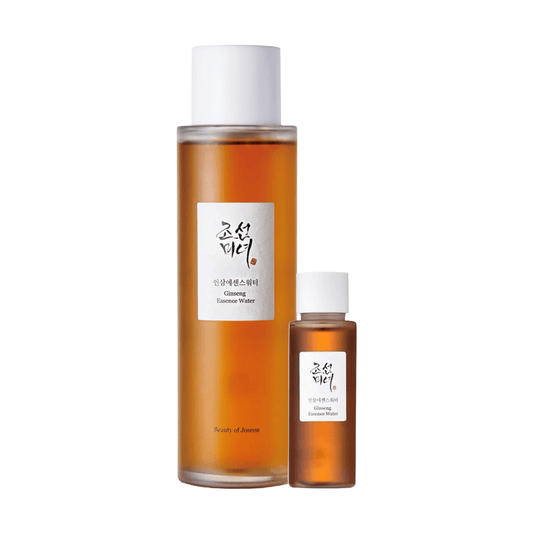

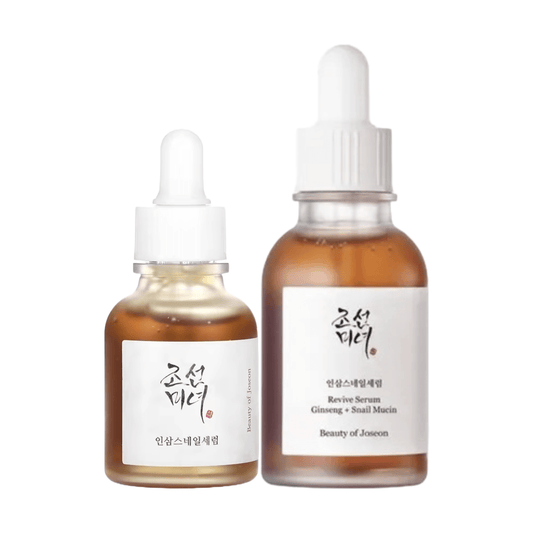
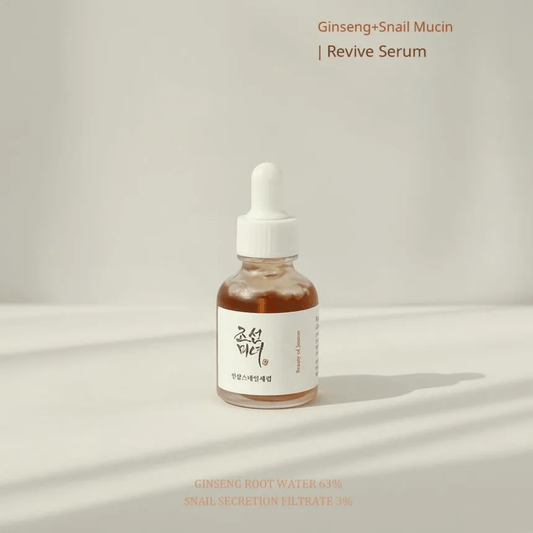

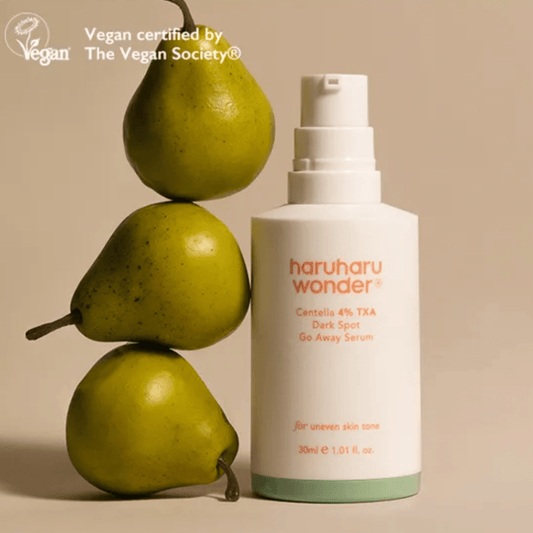

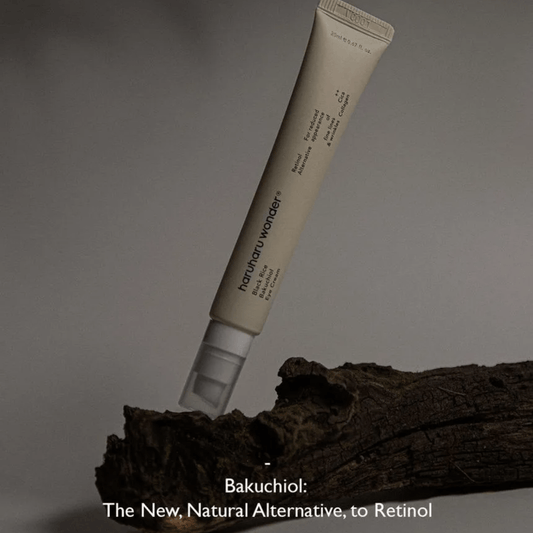

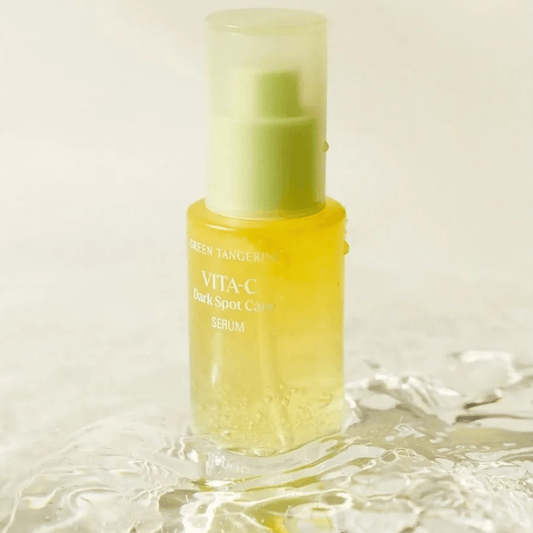
Few skincare ingredients do as much as niacinamide while remaining as gentle. In Korean soothing formulas, it contributes calming, barrier-supporting, and tone-improving benefits all at once, making it ideal for reactive skin that wants visible results without the irritation risk that stronger actives carry. Soothing K-Beauty with Niacinamide gathers the Korean products where niacinamide and calming care work in the most effective combination.
What Niacinamide Does in a Soothing Skincare Product
Niacinamide is a form of vitamin B3 that works across multiple pathways in the skin. It boosts ceramide production, strengthening the barrier and reducing moisture loss: directly addressing the root cause of many types of reactivity. It inhibits the transfer of melanin to the skin surface, gradually fading dark spots and reducing redness over time. It moderates sebum production by calming oil gland activity. And it has mild anti-inflammatory properties that directly ease the redness and irritation of reactive skin. In Korean formulas, niacinamide is often combined with centella or panthenol to create a compounded calming and barrier-repair effect.
- Boosts ceramide production for barrier strengthening
- Inhibits melanin transfer to reduce spots and redness
- Moderates sebum production gently
- Mild anti-inflammatory effect directly calms skin
How to Use Korean Niacinamide Products for Calming Irritated Skin
Niacinamide is extremely flexible. It works at the serum, toner, or moisturiser step, morning or evening. For calming reactive skin, a niacinamide toner applied after cleansing starts the routine with an immediate calming layer. A niacinamide serum at 5% concentration provides targeted treatment, combining barrier strengthening with redness reduction. A moisturiser containing niacinamide provides the closing step. Niacinamide is compatible with essentially all other skincare actives, so it slots easily into existing routines without conflict. Korean brands typically use concentrations between 2% and 10%, with 5% being the sweet spot for calming reactive skin without irritation risk.
- Works at toner, serum, or moisturiser step
- Morning or evening: no restrictions
- 5% concentration ideal for calming reactive skin
- Compatible with all common skincare actives
What Makes Niacinamide Effective for Calming and Soothing Skin
Niacinamide's calming effect comes from multiple overlapping mechanisms that reinforce each other. Barrier strengthening via ceramide production reduces how easily irritants enter the skin, cutting reactivity at the source. Direct anti-inflammatory action eases the inflammatory response when skin does react. Sebum regulation reduces the oiliness that contributes to congestion and breakout-related inflammation. And melanin inhibition reduces the residual redness and post-inflammatory marks that reactive skin often develops after a reaction. This combination makes niacinamide a genuine calming active rather than just a surface-level soother.
- Barrier strengthening reduces irritant penetration
- Direct anti-inflammatory action eases reactions
- Sebum regulation reduces congestion-related inflammation
- Melanin inhibition fades post-reaction redness and marks
What Results to Expect from Soothing Products with Niacinamide
Redness and reactive flushing often begin to ease within the first week of consistent niacinamide use. The barrier-strengthening effect builds over four to six weeks, gradually reducing how frequently skin reacts and how intensely it responds when it does. Tone-evening and dark spot reduction take eight to twelve weeks of consistent use. Niacinamide is a gradual brightener that does not rush. Overall, skin looks calmer, clearer, and more even with long-term consistent use.
- Redness begins to ease within the first week
- Barrier strength builds over four to six weeks
- Tone-evening develops over eight to twelve weeks
- Calmer, clearer, more even skin with consistent use
Browse the collection above to find the right niacinamide soothing product for your routine. The results are gradual but genuine.