

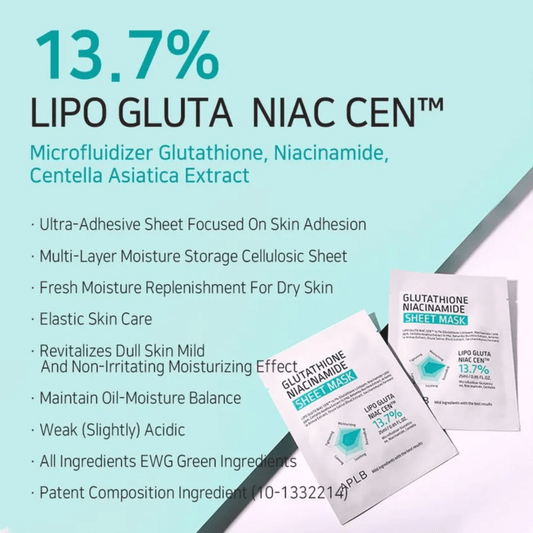
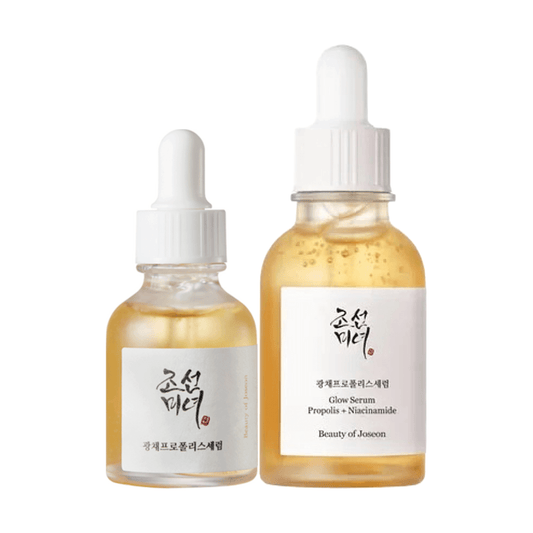
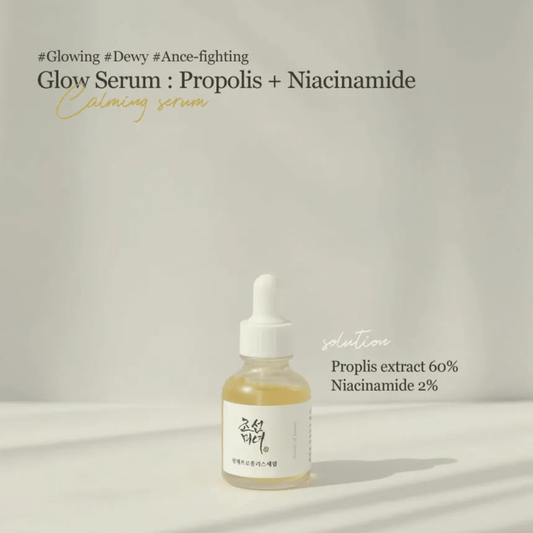

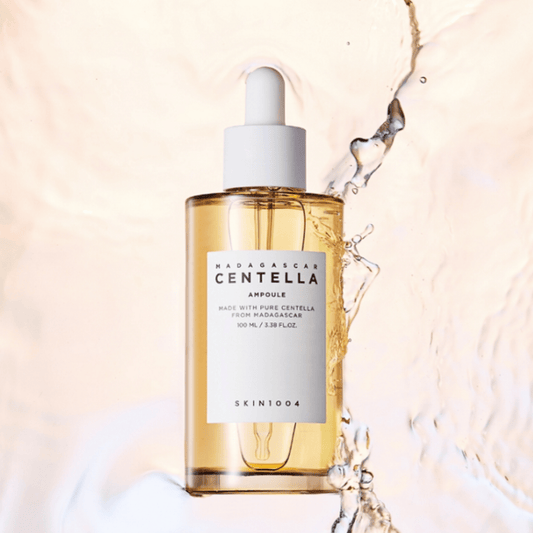
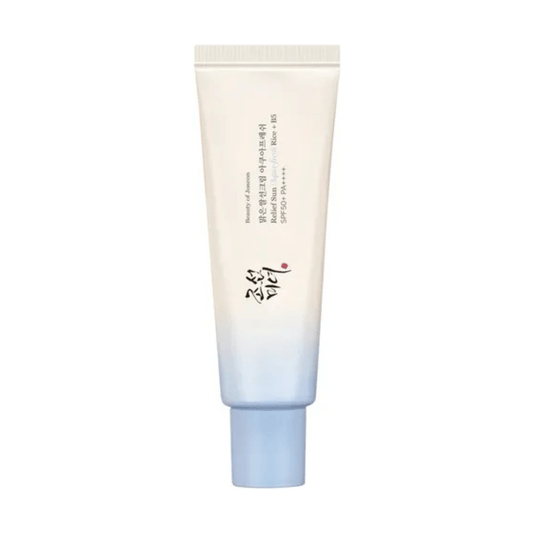
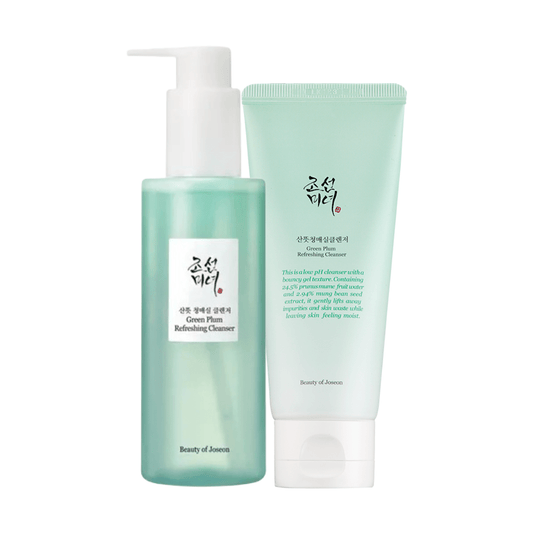

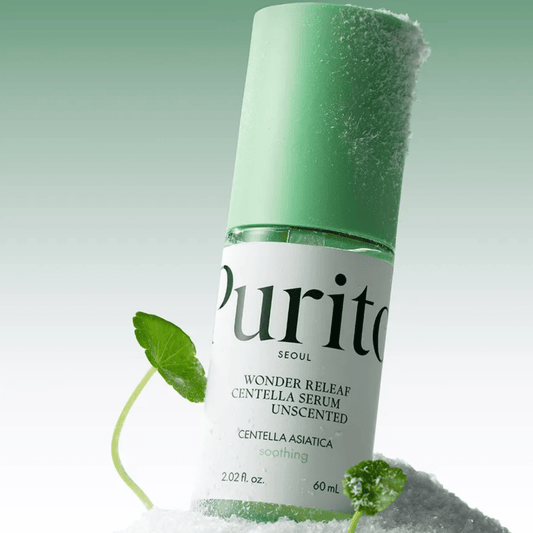
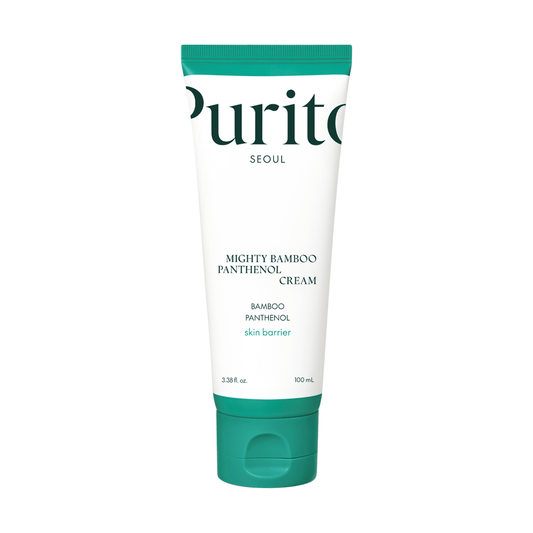
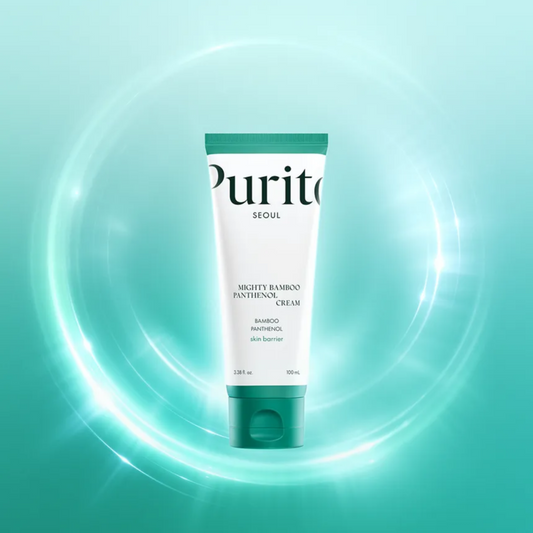

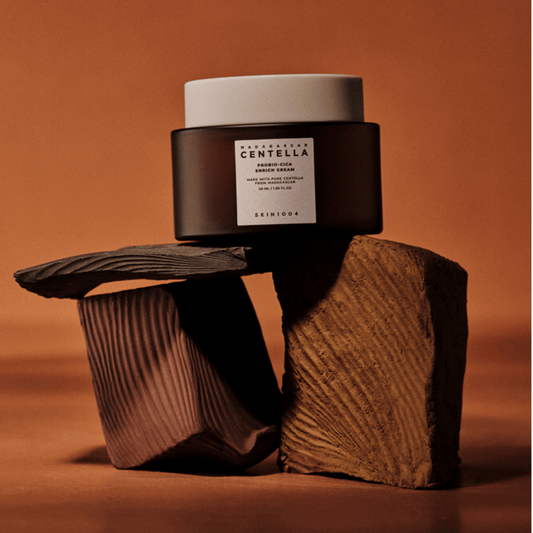

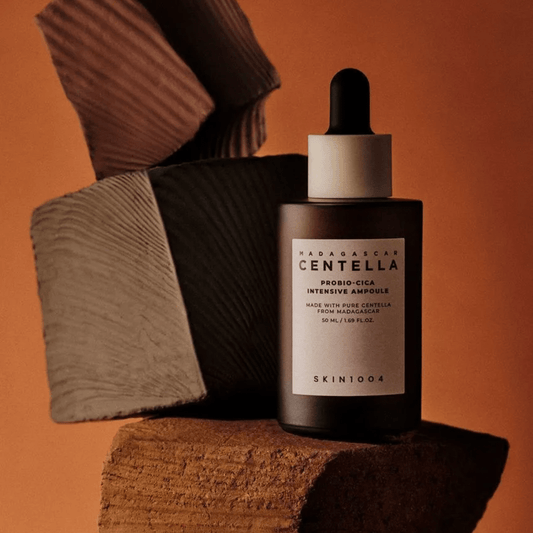
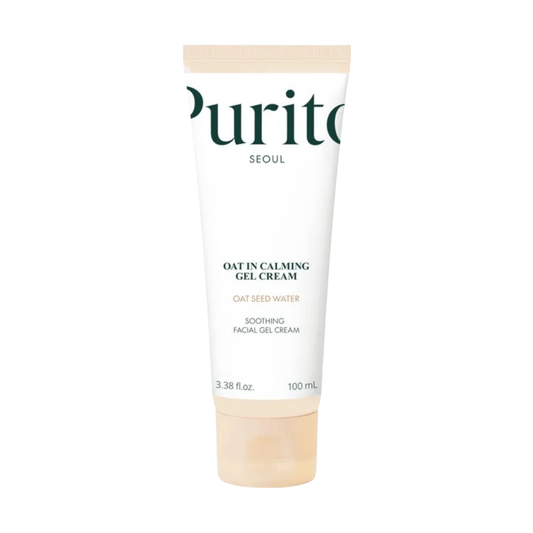
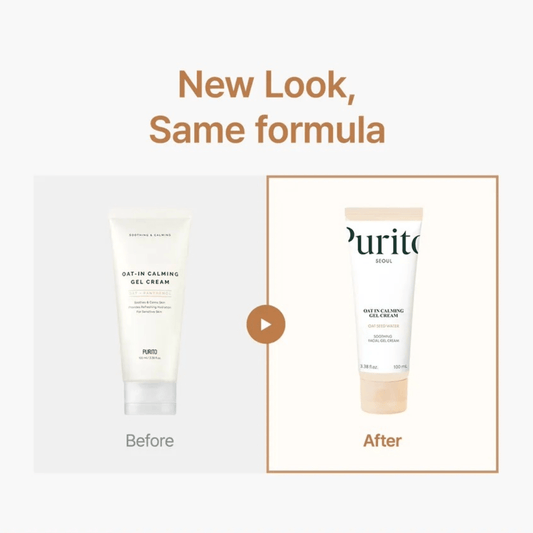
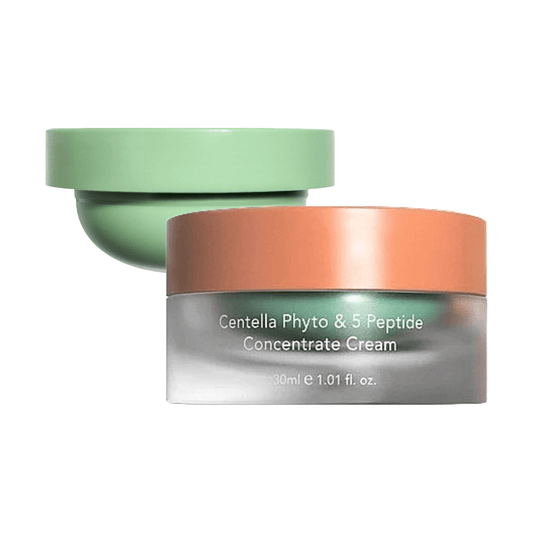
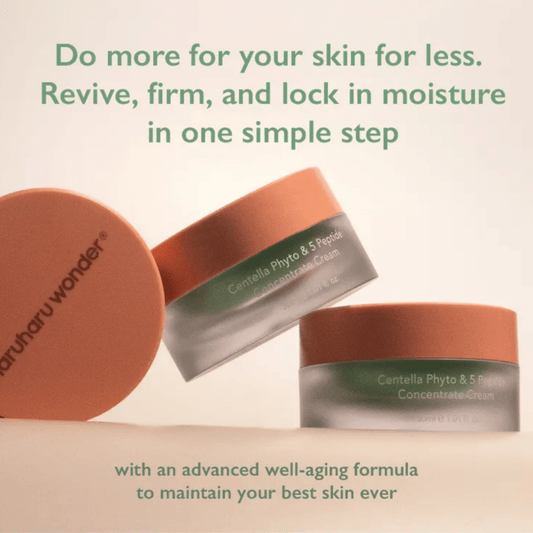
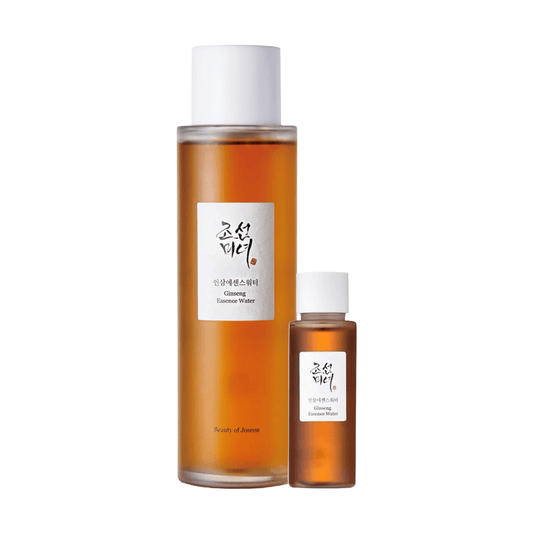
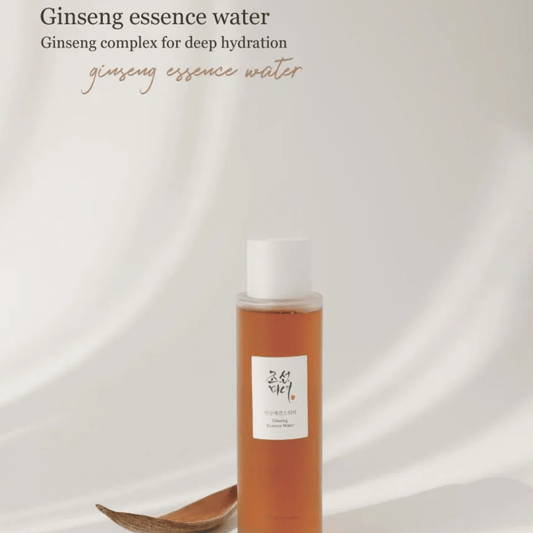
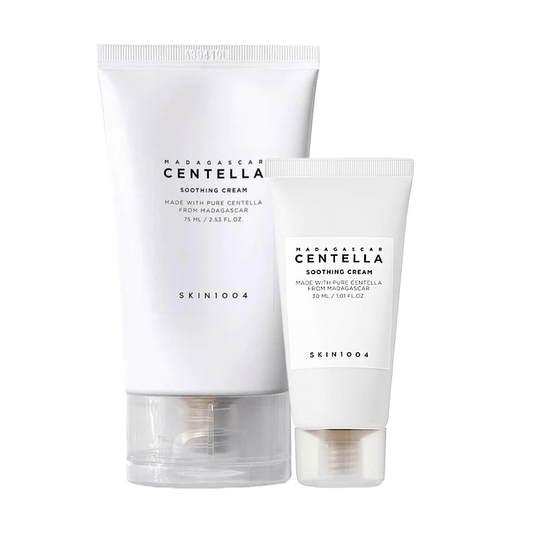
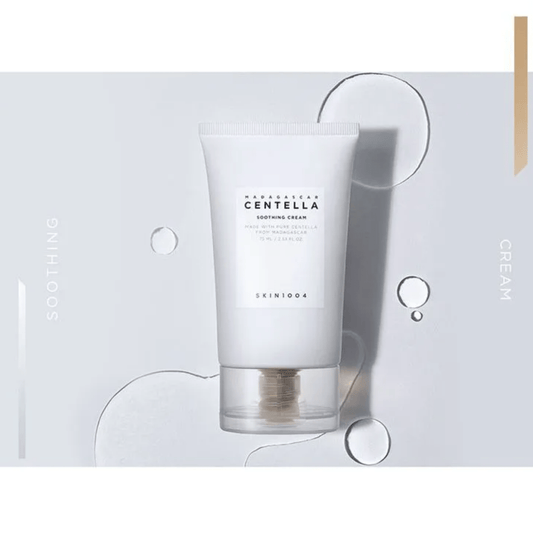

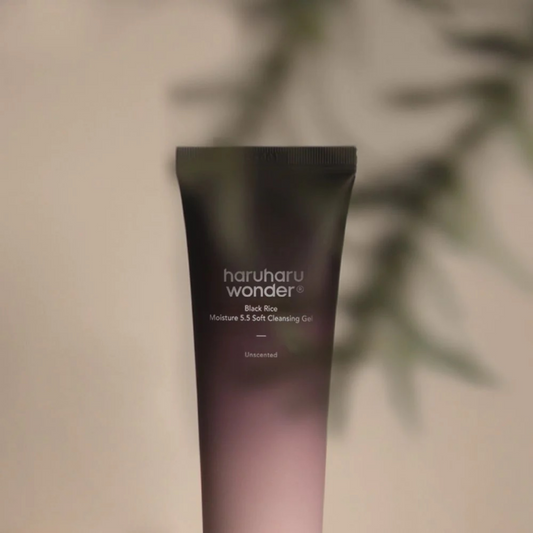

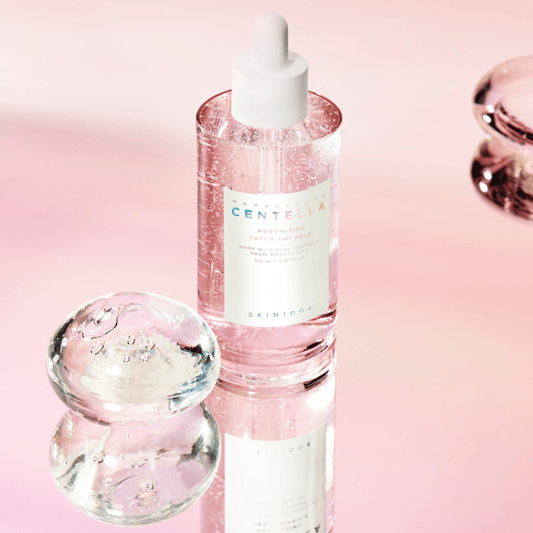

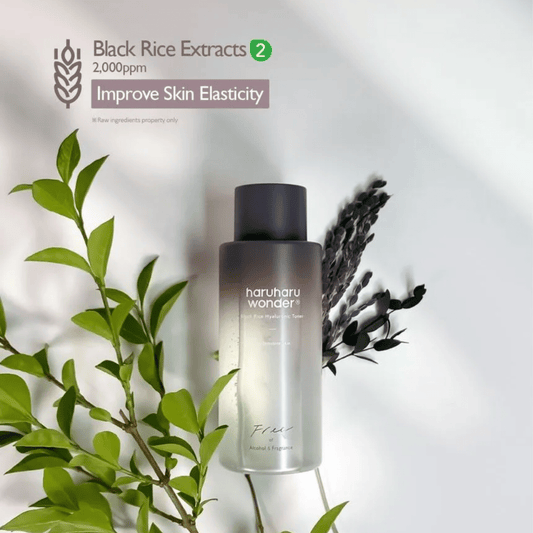
A compromised barrier and a reactive skin surface arrive together because they are caused by the same problem: when the protective lipid layer weakens, irritants get in and water gets out, creating a cycle of inflammation and further damage. Soothing K-Beauty for Barrier Repair works at both levels, calming the surface irritation and replenishing the barrier so the cycle can break.
How Soothing Ingredients Help Repair a Weakened Skin Barrier
Centella asiatica is the most prominent Korean barrier-repair ingredient because it does two things at once: its active compounds (particularly madecassoside) calm inflammation and also stimulate ceramide production to help rebuild the barrier. Panthenol converts to vitamin B5 in the skin, supporting both cell recovery and the barrier's own lipid-producing processes. Ceramides supplied by topical products integrate into the compromised lipid matrix and restore the "bricks and mortar" structure that holds moisture in and irritants out. This combination of calming and rebuilding is the hallmark of Korean barrier-repair formulation.
- Centella: anti-inflammatory and stimulates ceramide production
- Panthenol: supports cell recovery and lipid production
- Ceramides: restore the lipid matrix directly
- Combined action addresses both inflammation and structure
Signs That Your Barrier Needs Soothing and Repair
The most reliable sign is that products which used to feel comfortable have started to sting. Tight, uncomfortable skin after cleansing (even with a gentle cleanser) points to a barrier that is no longer protecting effectively. Redness that appears and lingers without obvious cause, dry patches that do not respond to moisturiser, and a general increase in how much the skin reacts to temperature, wind, or new products are all signs of a compromised barrier. When these signs appear, simplifying the routine and focusing on calming barrier-repair products is the most effective response.
- Previously comfortable products now sting
- Tight skin after cleansing despite gentle products
- Redness that lingers without obvious trigger
- Dry patches that do not respond to moisturiser
How Long It Takes to Repair the Barrier with Soothing Products
With a simplified barrier-repair routine, gentle cleanser, soothing toner, ceramide moisturiser, no active treatments, most people notice skin becoming calmer and less reactive within one to two weeks. Products stop stinging, tightness eases, and redness settles. Full barrier recovery, where the skin feels consistently resilient rather than reactive, typically takes four to six weeks of consistent care. Reintroducing actives after this point is safe if done slowly, one at a time.
- Calmer, less reactive skin within one to two weeks
- Products stop stinging as the barrier recovers
- Full resilience over four to six weeks
- Reintroduce actives slowly once recovery is established
What to Avoid When the Skin Barrier Is Compromised
During barrier repair, avoid all exfoliating acids, retinol, and high-concentration vitamin C, even well-tolerated actives can set back recovery when the barrier is already weak. Fragranced products risk triggering further irritation. Hot water strips residual natural oils. Multiple new products at once make it impossible to identify what the skin is reacting to. The safest barrier-repair period means stripping the routine back to a gentle cleanser, a soothing toner, and a ceramide moisturiser, and adding nothing new until the skin is stable.
- Exfoliating acids during recovery
- Retinol and high-concentration actives
- Fragranced products
- Hot water and multiple new products at once
Scroll up and find the right barrier-soothing product for your skin. Recovery starts with the simplest, most supportive formula you can find.