


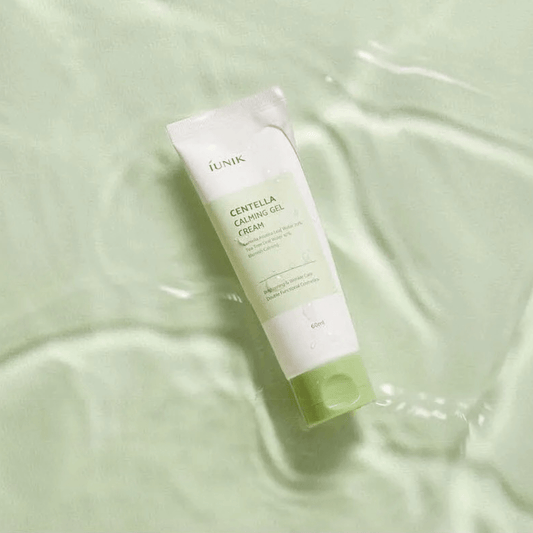

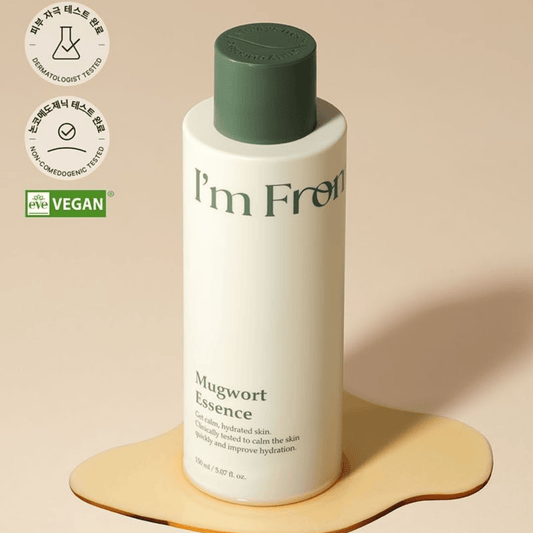


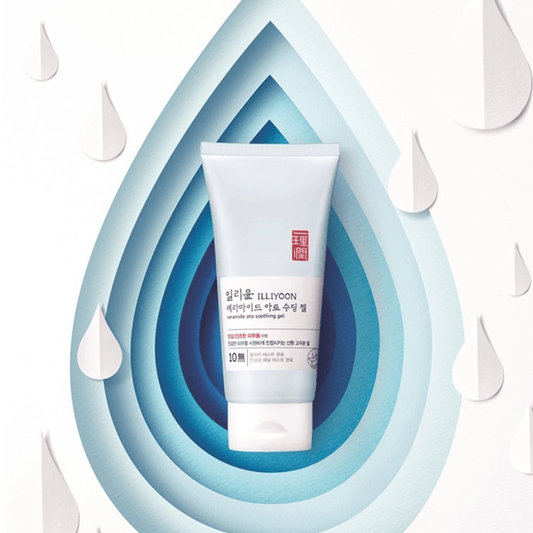

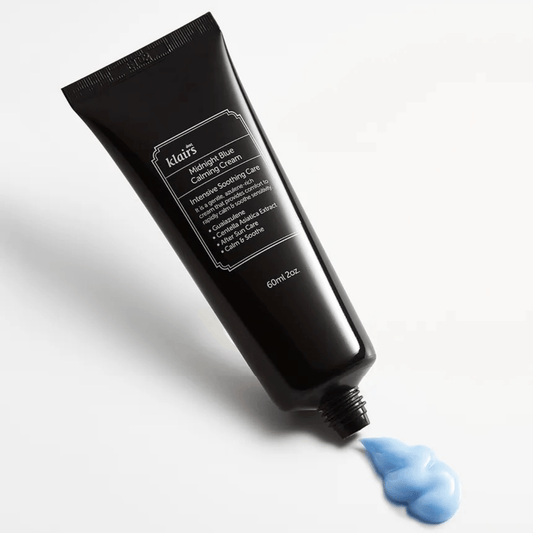





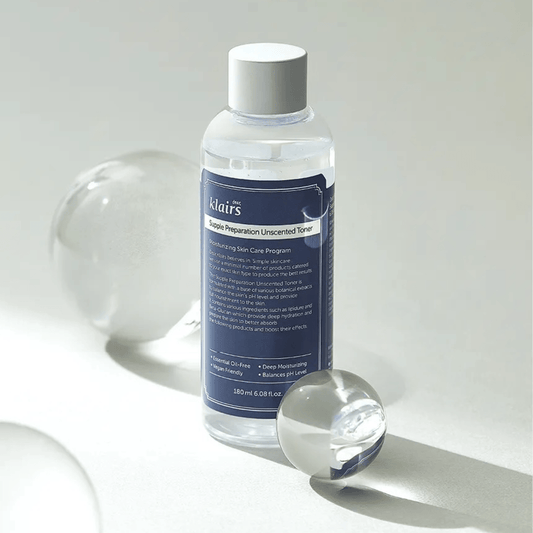
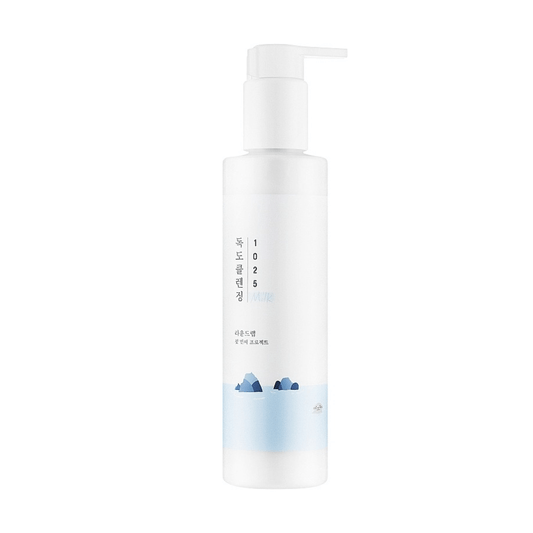

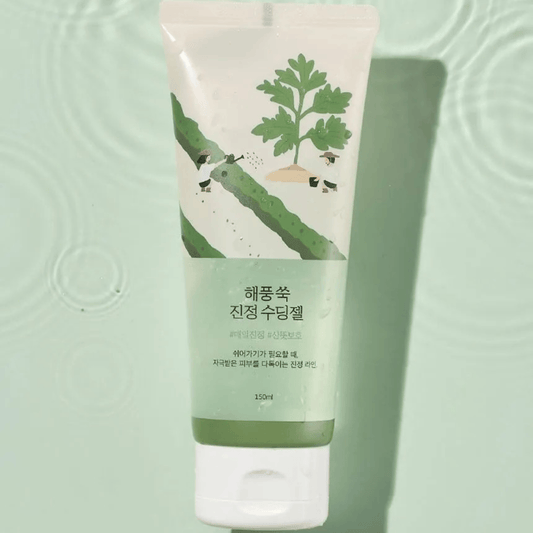


Sensitive Skin Anti Inflammatory K-Beauty brings together products that directly reduce the inflammation driving most skin sensitivity symptoms. Redness, stinging, tightness, and barrier damage are all inflammatory responses. Korean anti-inflammatory skincare tackles these at the source, using gentle botanical and bioactive ingredients that calm the inflammatory cascade without side effects.
How Anti-Inflammatory Ingredients Calm Sensitive Skin
Inflammation in the skin is driven by enzymes (like COX-2) and signalling molecules (like cytokines and prostaglandins) that trigger redness, swelling, and discomfort. Anti-inflammatory ingredients interrupt this cascade at various points. Centella asiatica inhibits inflammatory enzymes. Niacinamide reduces the production of inflammatory cytokines. Panthenol calms the sensory nerve endings that register stinging and discomfort. Bisabolol from chamomile directly reduces the production of prostaglandins. By targeting multiple points in the inflammatory cascade, these ingredients provide thorough calming that addresses the root cause of sensitivity.
- Centella: inhibits inflammatory enzymes
- Niacinamide: reduces inflammatory cytokine production
- Panthenol: calms sensory nerve endings
- Bisabolol: reduces prostaglandin production
Korean Anti-Inflammatory Actives Safest for Reactive Skin
Madecassoside (from centella) is the strongest calming compound with the lowest irritation risk. Dipotassium glycyrrhizate (from licorice root) is a potent anti-inflammatory used even in baby products. Allantoin soothes and supports cell renewal quietly. Beta-glucan calms and hydrates simultaneously. Green tea polyphenols (EGCG) reduce inflammation while providing antioxidant protection. These ingredients are all safe for daily use, morning and evening, with no adjustment period. They do not cause photosensitivity and do not interact negatively with other common skincare ingredients.
- Madecassoside: strongest calming with lowest irritation risk
- Dipotassium glycyrrhizate: potent, gentle enough for baby products
- Allantoin: quiet soothing with cell renewal support
- Beta-glucan: calming and hydrating in one
- Green tea EGCG: anti-inflammatory plus antioxidant
When to Add Anti-Inflammatory Products to a Sensitive Skin Routine
Anti-inflammatory products should be the first treatment step in a sensitive skin routine. Apply after cleansing and toning, before other serums or moisturisers. This allows the calming ingredients to reach the skin and begin working before any potentially sensitising products are layered on top. For skin that is currently flaring, anti-inflammatory products should be the only treatment step, with all other actives paused. For stable sensitive skin, anti-inflammatory ingredients at every step (calming toner, calming serum, calming moisturiser) provide ongoing protection against daily triggers.
- First treatment step: after cleansing and toning
- During flares: anti-inflammatory products only, pause all actives
- For stable skin: calming ingredients at every routine step
- Calming base under other products reduces their irritation risk
Soothing vs Anti-Inflammatory Skincare
Soothing products provide comfort and relief from discomfort. They cool, hydrate, and reduce the sensation of irritation. Anti-inflammatory products go deeper, interrupting the biochemical cascade that causes inflammation in the first place. A soothing aloe gel reduces the feeling of heat on the skin. An anti-inflammatory centella serum stops the redness from happening at the biochemical level. Both are useful, but anti-inflammatory products address the cause while soothing products address the symptoms. The best sensitive skin routines include both for full care.
- Soothing: comfort and symptom relief (cooling, hydrating)
- Anti-inflammatory: addresses the biochemical cause of inflammation
- Soothing helps immediately; anti-inflammatory prevents recurrence
- Best routines include both for complete sensitive skin care
Browse the collection above to find Korean anti-inflammatory products that calm sensitive skin at the source.