


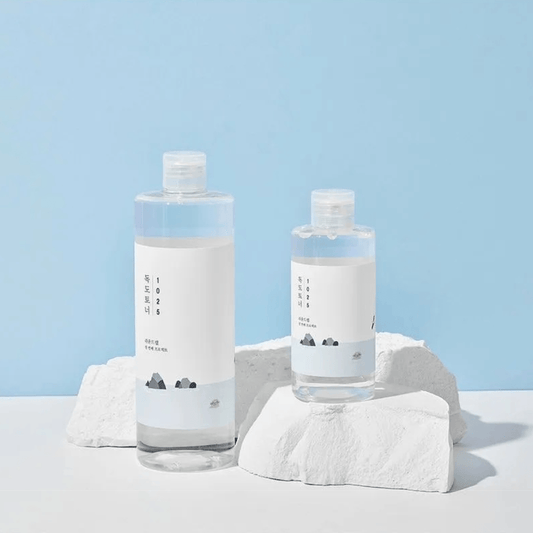




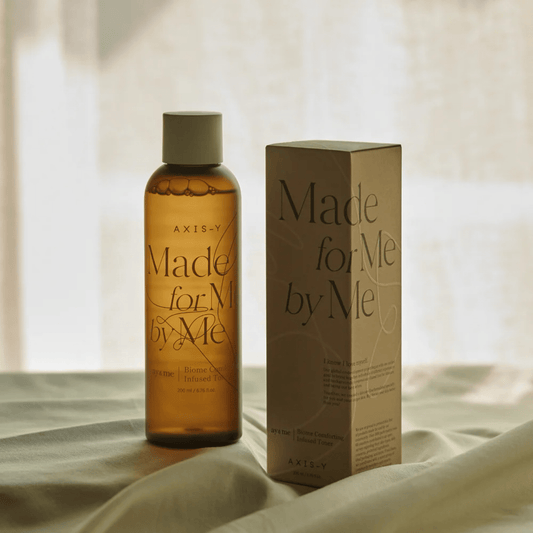
Reactive skin responds to things that other skin types barely notice, a new ingredient, a change in weather, or a disruption to the routine can trigger redness, stinging, or itching quickly. Korean Toners for Reactive Skin are built around this reality: fewer ingredients, no known triggers, and a calming focus that keeps the skin surface as stable as possible.
What Toner Ingredients Trigger Reactions in Reactive Skin
Fragrance is the leading cause of contact reactions in skincare for reactive skin types, both synthetic fragrance blends and individual natural fragrance compounds including limonene, linalool, citronellol, and eugenol that appear in botanical extracts. Alcohol denat is the second most reliably problematic ingredient, stripping the barrier's lipid matrix and causing immediate stinging and redness that worsens with each exposure. Essential oils, despite a widely promoted natural reputation, are among the highest-allergen ingredient categories in cosmetics and contain a range of volatile compounds that provoke contact sensitisation in a significant proportion of reactive skin users. Exfoliating acids at moderate or high concentrations are too stimulating for daily use on consistently reactive skin, and certain preservatives like methylisothiazolinone can provoke delayed sensitisation reactions.
- Fragrance, synthetic and natural, is the leading trigger
- Alcohol denat disrupts the barrier and causes stinging
- Essential oils are high in allergenic compounds
- Exfoliating acids are too stimulating for reactive skin
How to Introduce a New Toner Without Causing a Flare
Patch test the new toner behind the ear or on the inner arm for a minimum of five consecutive days before applying it to the face, reactive skin can have delayed sensitisation responses that emerge two to three days after initial contact, not immediately on first application. Once patch testing confirms no reaction at the test site, introduce the toner on the face every other day for the first full week, monitoring carefully for any redness, stinging, or tightness that follows. Keep the rest of the routine completely stable throughout this process, never introduce more than one new product at a time, because if a reaction occurs, you need to know exactly which product caused it.
- Patch test for five days minimum, not one night
- Watch for delayed reactions appearing after two to three days
- Start every other day and increase slowly
- Never introduce more than one new product at a time
Can a Calming Toner Reduce How Reactive Your Skin Is Over Time
Yes, with consistent daily use over an extended period, a barrier-supporting calming toner can produce a meaningful and measurable reduction in skin reactivity. The mechanism is straightforward: a stronger, more intact barrier is less permeable to the irritants and allergens that trigger reactions, so as the barrier strengthens, the frequency and intensity of reactions gradually decreases. Ceramides physically restore the lipid matrix; centella reduces chronic low-grade inflammation; panthenol soothes and seals the surface simultaneously. These changes accumulate over two to three months of consistent use before reactivity meaningfully decreases, the improvement is real, but it requires patience and regularity to fully manifest.
- A stronger barrier is less permeable to irritants
- Ceramides, centella, and panthenol rebuild the barrier
- Two to three months for meaningful reactivity reduction
- Consistent daily use is more effective than intensive occasional use
Browse the full collection above and find the toner your reactive skin can trust. Simplicity and consistency are the two most powerful tools for calming reactive skin.