

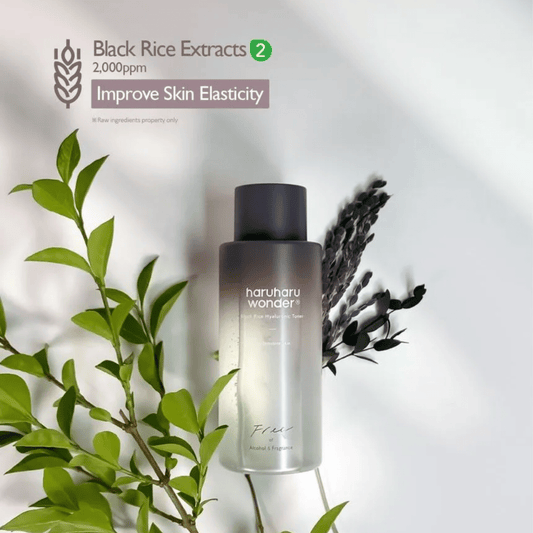


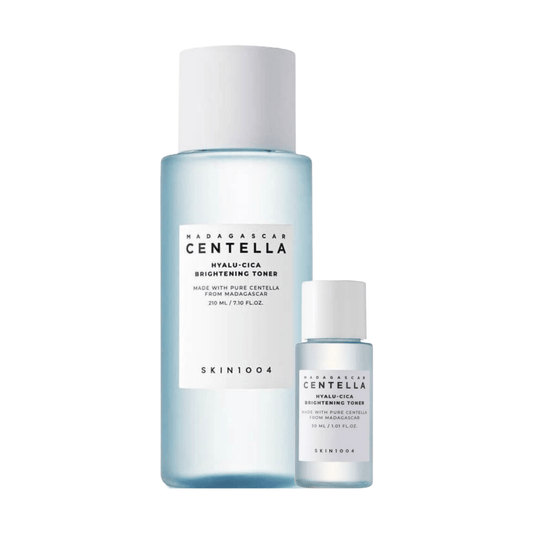
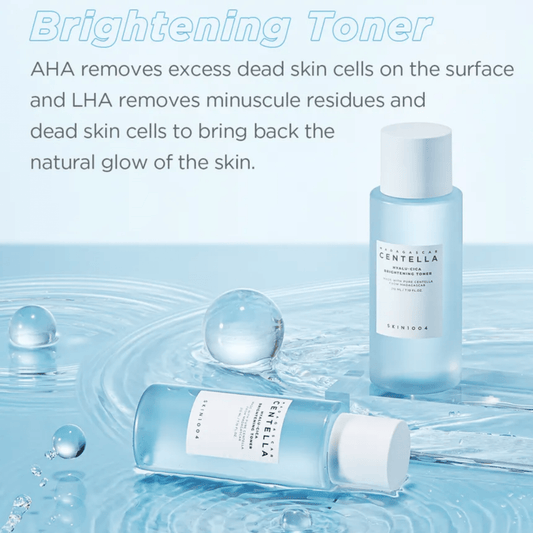
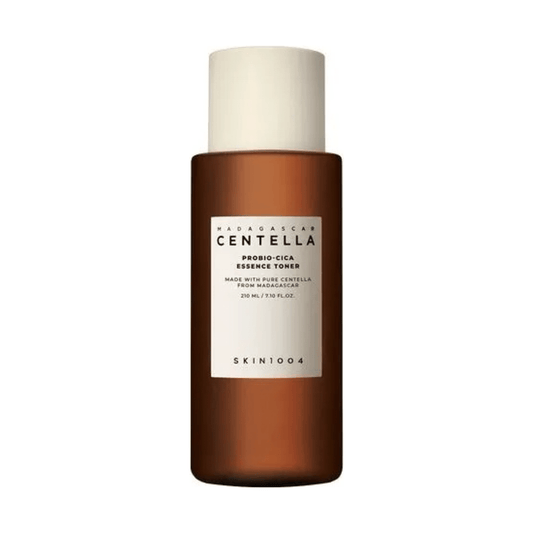
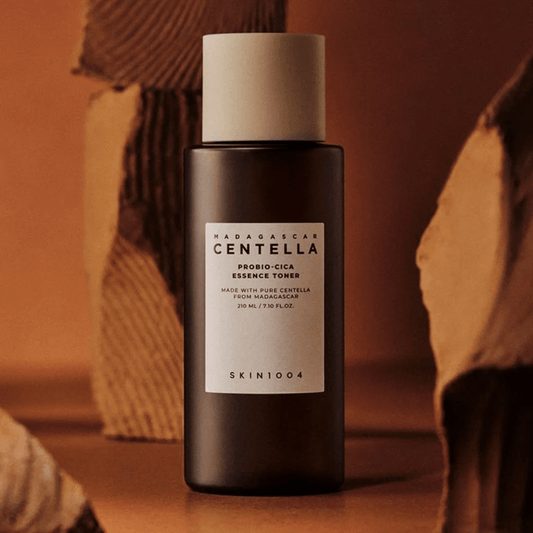

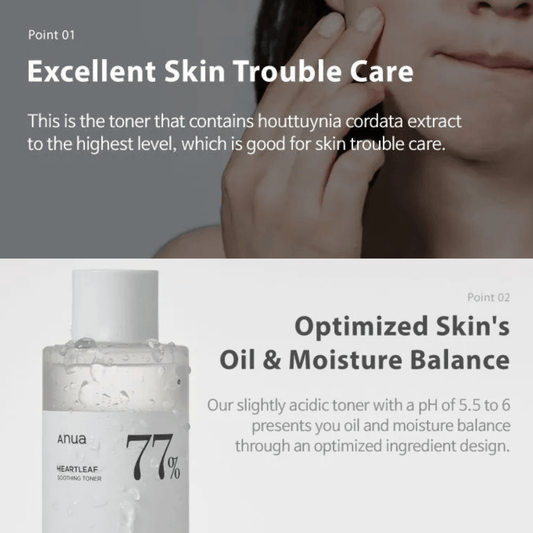

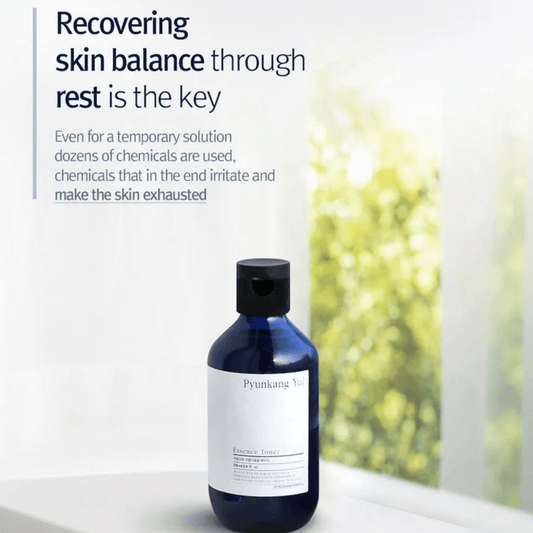


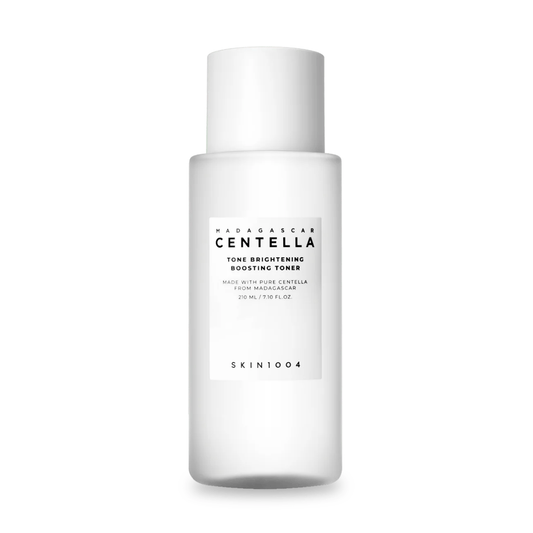
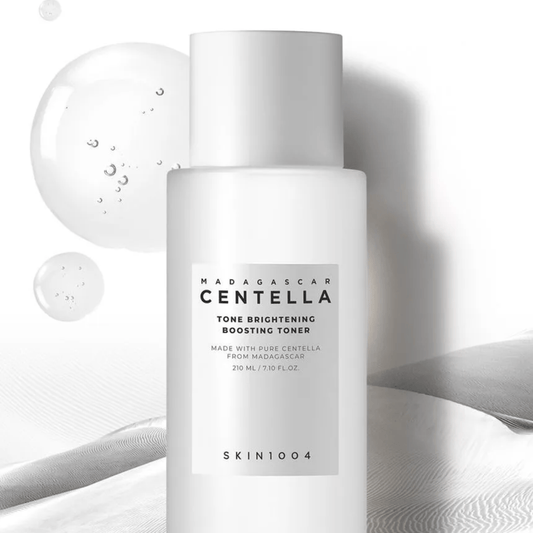


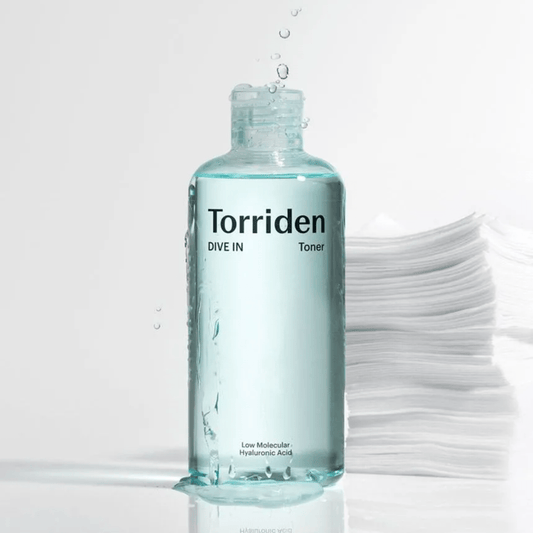

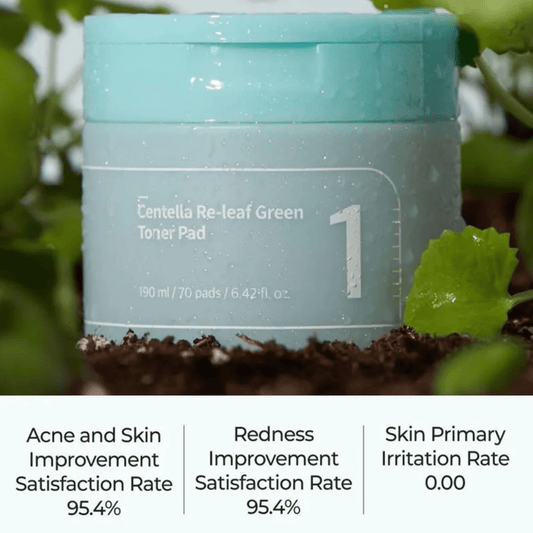

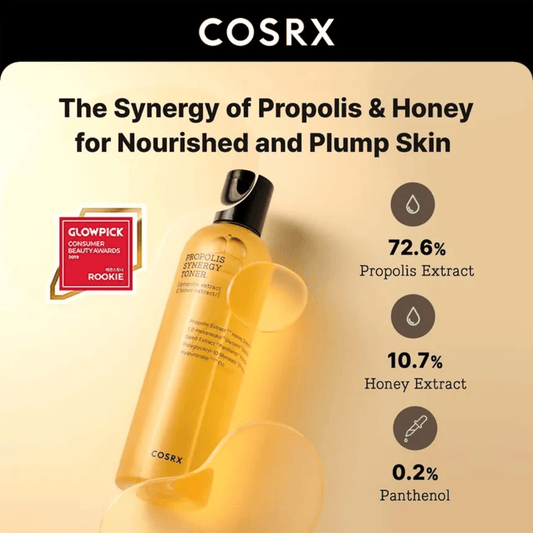

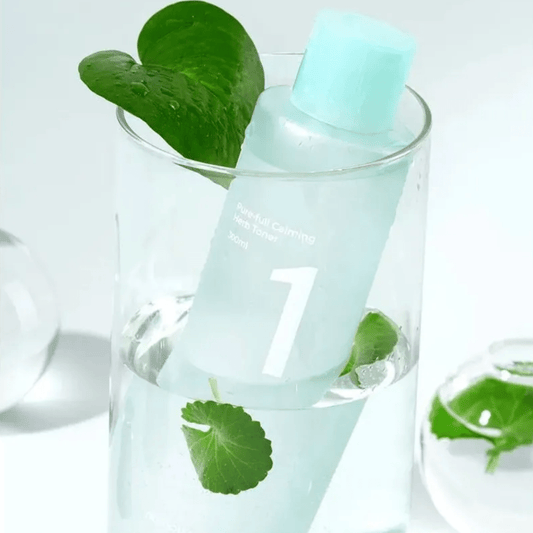

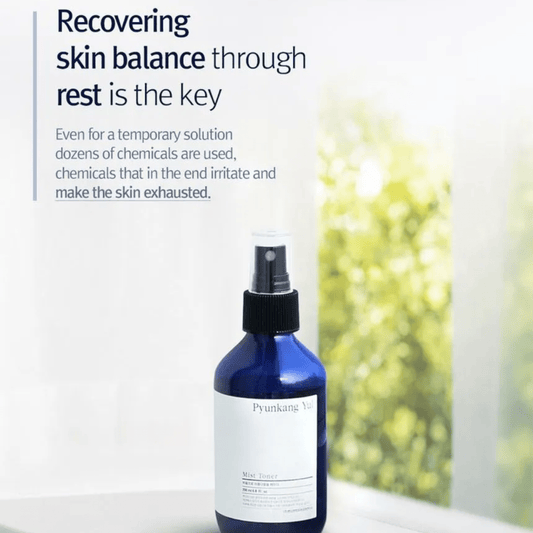

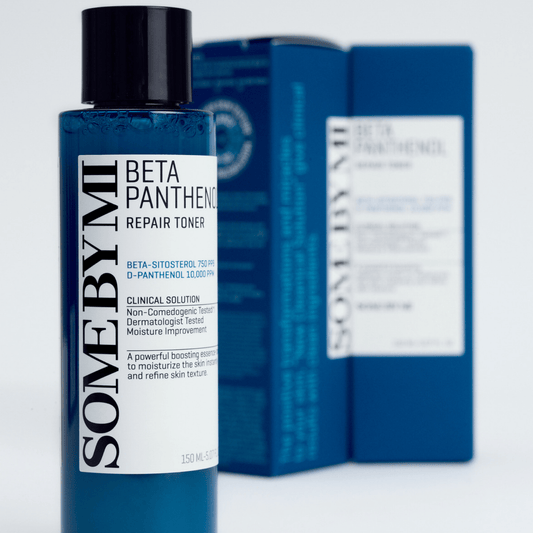
Sensitivity is not a fixed skin type, it is a state of heightened reactivity that can affect any skin. K-Beauty Toners for Sensitivity are formulated with this in mind: no fragrance, no harsh preservatives, no actives that could push reactive skin past its threshold. The focus is entirely on calming, hydrating, and protecting.
What Toner Ingredients to Avoid with Sensitivity
Alcohol denat is the most common irritant found in conventional toner formulations, it creates a temporary tightening sensation that mimics cleansing but actually disrupts the barrier by stripping the lipid layer, leaving the surface more permeable and reactive than before application. Fragrance, both synthetic and natural, is the second most frequently cited trigger for sensitive skin reactions in cosmetic use; even mild botanical extracts contain volatile compounds that can cause delayed contact sensitisation reactions in reactive skin types. Menthol and camphor create a cooling, refreshing sensation that many users enjoy but that consistently aggravates underlying sensitivity with regular use by triggering vasodilation and inflammatory pathways. High-concentration exfoliating acids are simply too active for skin that is already reactive and struggling to maintain a settled baseline.
- Alcohol denat strips and damages the barrier
- All fragrance, including botanical, can trigger reactions
- Menthol and camphor aggravate reactive skin
- High-concentration acids are too aggressive for sensitivity
Can a Minimalist Toner Help with Sensitivity
Yes, and for many people managing skin sensitivity, a deliberately minimalist toner is the safest and most effective starting point precisely because it eliminates the guesswork about which ingredient in a longer formula is causing a reaction. Fewer ingredients means fewer potential triggers and a cleaner process for identifying what your skin does and does not tolerate well. A toner with five to eight ingredients, all with well-established safety records for reactive skin, consistently outperforms a complex formula that includes a handful of beneficial actives alongside ingredients that could provoke a response. Korean brands have led the global push toward effective minimalist formulation for sensitive skin, offering toners built around centella, panthenol, and simple humectants that genuinely calm and hydrate without unnecessary complication.
- Fewer ingredients mean fewer possible triggers
- Centella and panthenol are well-tolerated mainstays
- Simple humectants hydrate without risk
- Minimalist formulas are easier to patch test safely
How to Patch Test a New Toner
Apply a small amount to the skin behind the ear or on the inner arm and leave it undisturbed for three to five full days before using the product on your face. Sensitive skin frequently exhibits delayed reactions that appear two to three days after initial contact rather than immediately, which means a single overnight test provides insufficient evidence of tolerability. If no redness, itching, or raised bumps develop across the full test period, introduce the toner to your face at reduced frequency, every other day for the first week, before gradually moving to daily use as your skin demonstrates consistent comfort. Patch testing is not an optional step for sensitivity-prone skin; it remains the most reliable method available for preventing a full-face reaction from a product your skin encounters for the first time.
- Test behind the ear or inner arm for three to five days
- Watch for delayed reactions, not just immediate ones
- Start every other day when introducing to the face
- Increase frequency only when skin is comfortable
Browse the collection above and find the toner that your skin can trust every day. Sensitivity deserves a routine that feels safe from the very first step.