


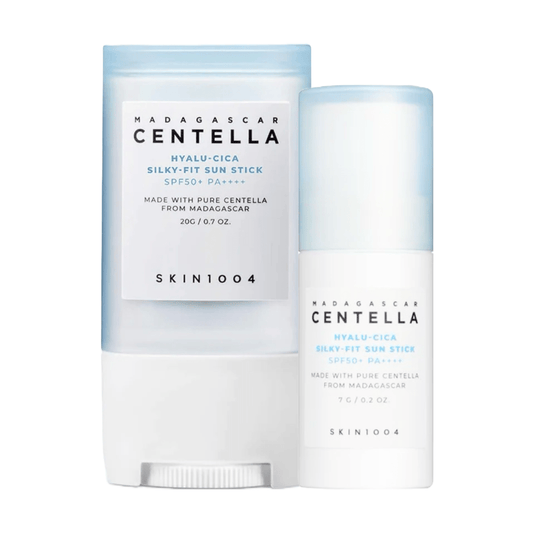
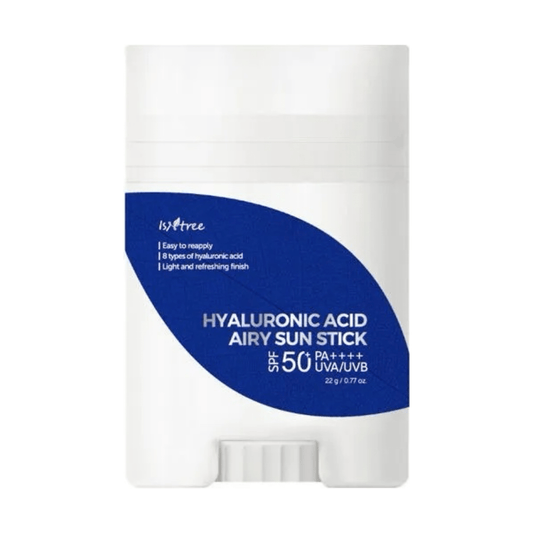
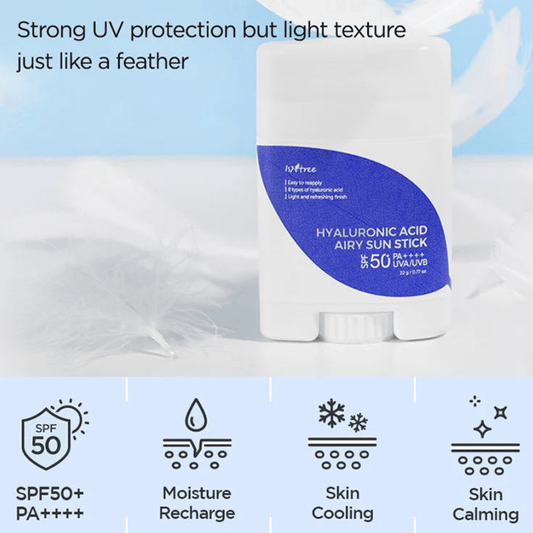

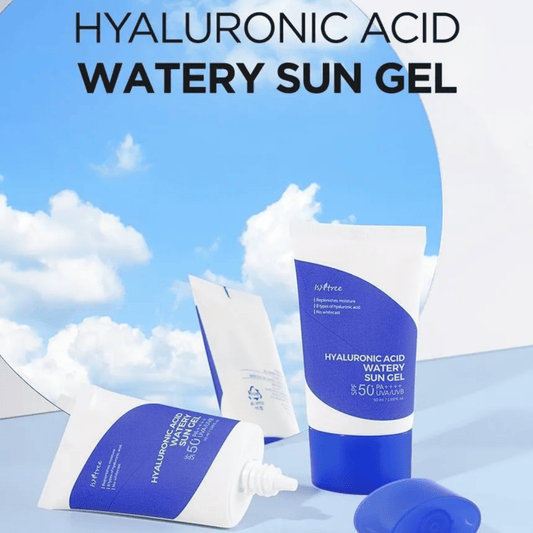
K-Beauty Sunscreens with Hyaluronic Acid answer the morning routine question that many people share: can a sunscreen also be genuinely hydrating? The answer, in the hands of Korean formulators, is yes. Hyaluronic acid in a sunscreen base draws water towards the skin surface and holds it there through the day, so UV protection does not come at the cost of moisture.
How Hyaluronic Acid Works in a Sunscreen
Hyaluronic acid is a humectant, it draws water from the environment and from the deeper layers of the skin towards the surface, creating visible plumpness and a soft, dewy feel. In a sunscreen base, it performs this function continuously through the day, counteracting the moisture-stripping effect that UV exposure and environmental stress can have on the skin surface. Korean formulators often layer different molecular weights of hyaluronic acid, larger molecules work on the surface for immediate softness; smaller molecules penetrate more shallowly into the upper skin layers for longer-lasting hydration. This multi-weight approach produces more sustained results than a single hyaluronic acid molecule type could deliver from the same formula alone.
- Humectant action draws water to the skin surface continuously
- Counteracts moisture loss from UV and environmental stress
- Multi-weight HA provides immediate softness and lasting hydration
- Visible plumpness and dewy feel from first application
Can a Hyaluronic Acid Sunscreen Replace Morning Moisturiser
For normal to combination skin types in warm-weather months, a K-Beauty Sunscreen with Hyaluronic Acid that also contains emollient and barrier-supportive ingredients can replace a separate moisturiser in the morning. Look for formulas that include squalane, ceramides, or glycerin alongside hyaluronic acid, these add the nourishing and barrier-sealing function that hyaluronic acid alone does not provide. For dry skin types, or in cold or low-humidity conditions, a lightweight moisturiser underneath remains a useful step that the SPF layer then seals and protects. Testing both approaches over a week in your actual conditions tells you which works best for your skin type.
- Works as standalone step for normal to combination skin in warm weather
- Look for squalane or ceramides alongside HA for full moisture
- Dry skin benefits from moisturiser underneath in all conditions
- SPF layer seals and protects any moisture step beneath it
Suitability for Oily Skin
Hyaluronic acid is well suited to oily skin, it provides hydration through water-drawing rather than oil-adding, making it one of the few moisturising ingredients that does not worsen an oily or congested skin condition. Oily skin is often dehydrated, producing excess oil partly as a compensatory response to moisture loss, and a hyaluronic acid sunscreen addresses this underlying dehydration without adding surface oil. Choose a lightweight gel or milk format with hyaluronic acid for oily skin, this provides the hydration without the emollient heaviness that cream-format SPFs carry, and keeps the skin feeling balanced rather than weighted down from the first application of the day.
- Hyaluronic acid hydrates through water-drawing, not oil-adding
- Safe for oily and congested skin types
- Addresses the dehydration underlying many oily skin conditions
- Gel or milk format pairs best with oily skin types
Browse the hyaluronic acid sunscreen collection above and find the Korean SPF that keeps your skin hydrated and protected through the day. Scroll up to find your formula.