

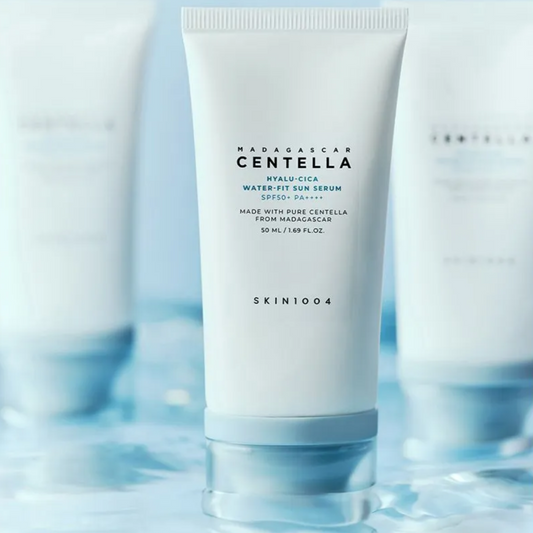
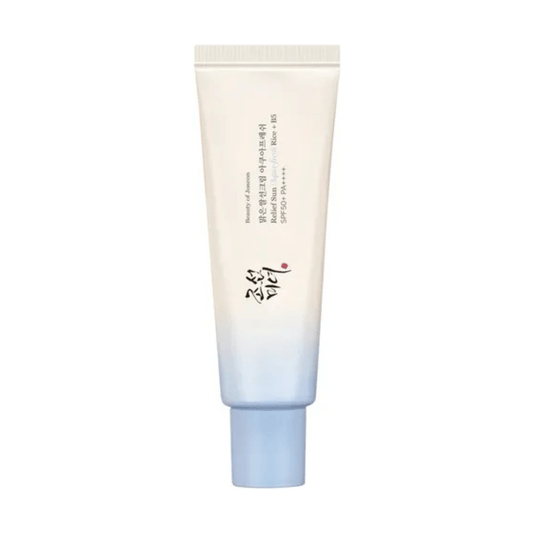
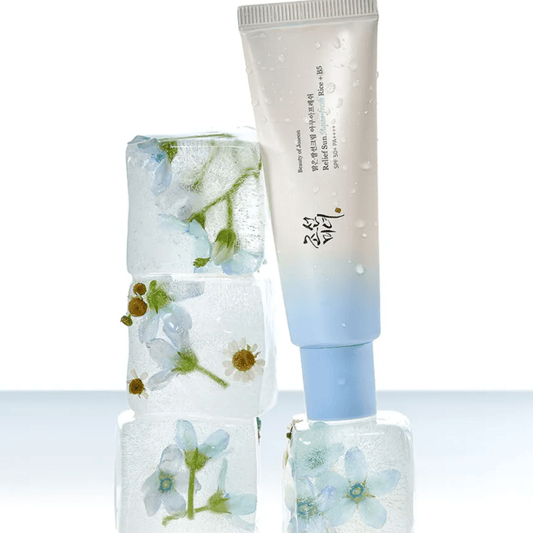
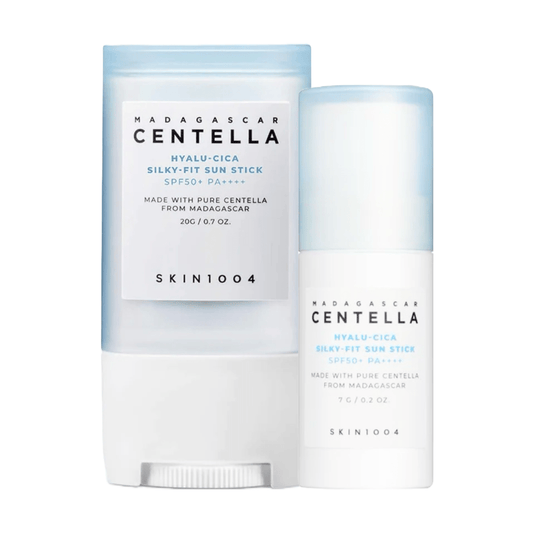
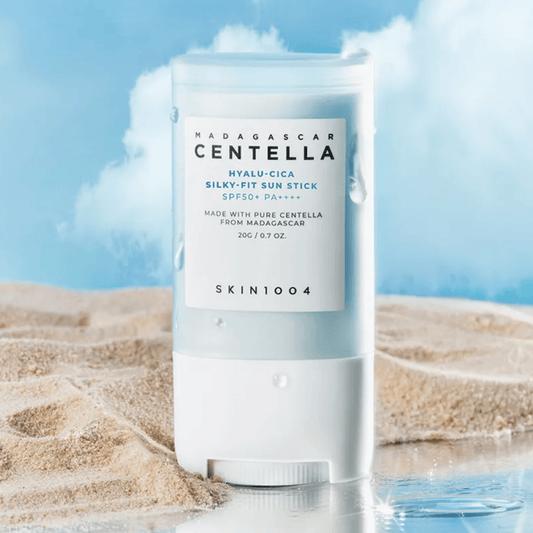

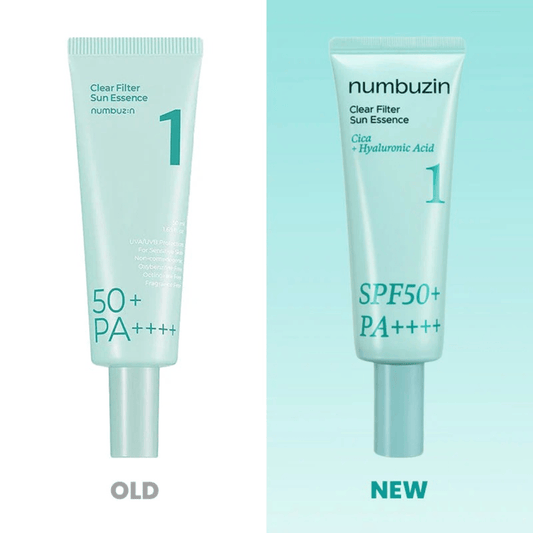

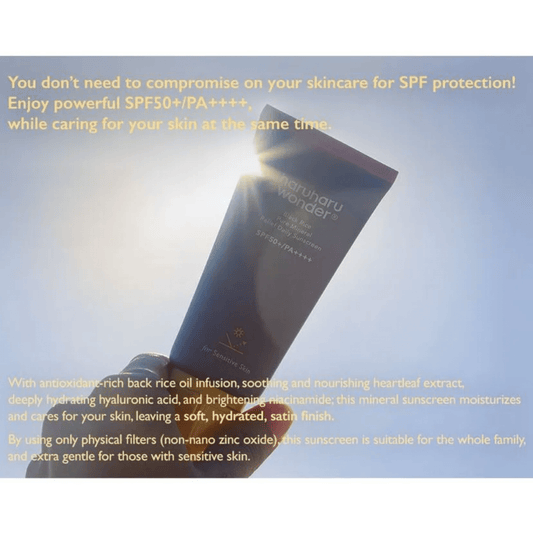

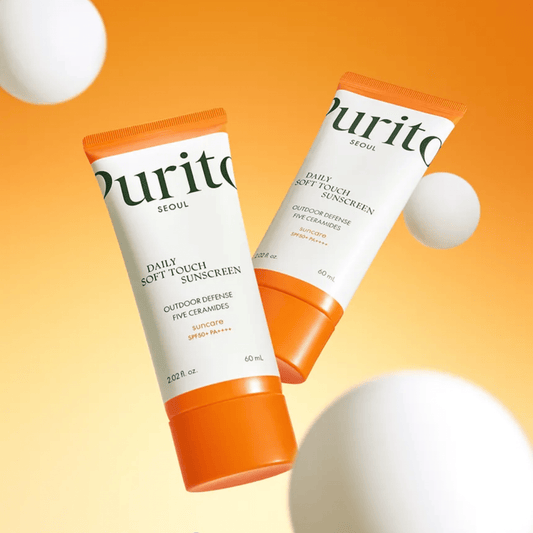

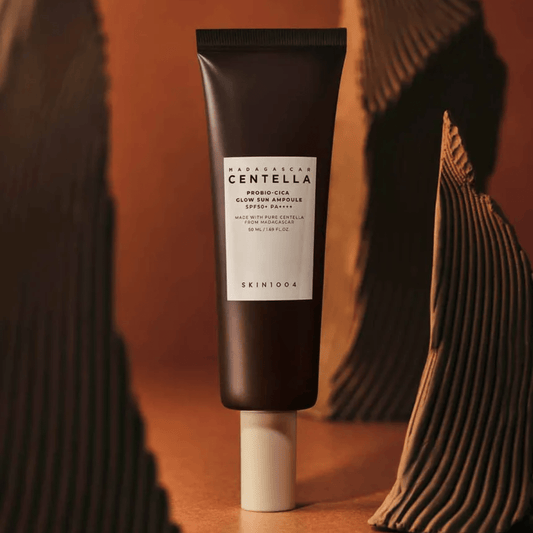

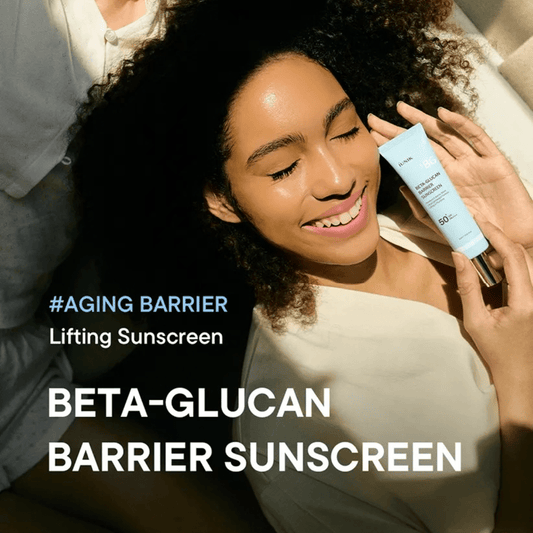

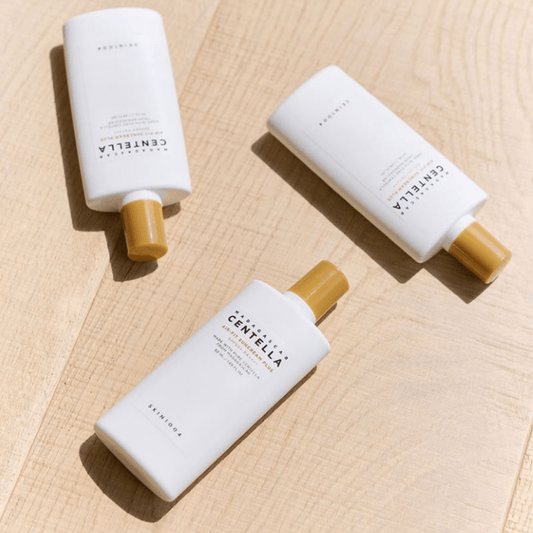

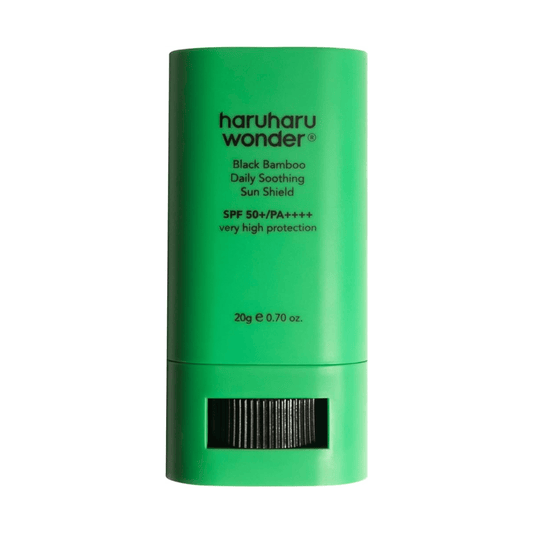
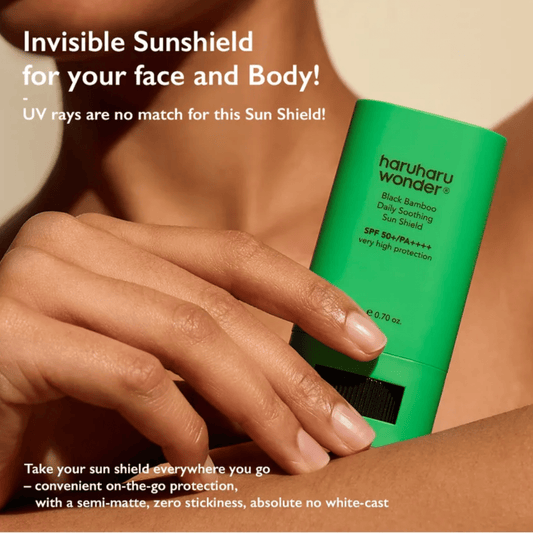

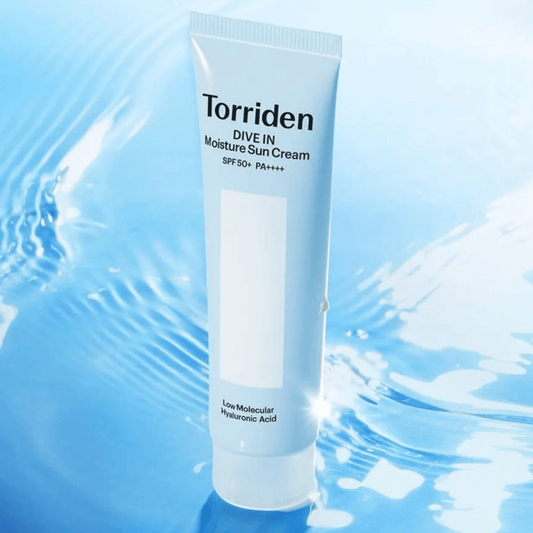

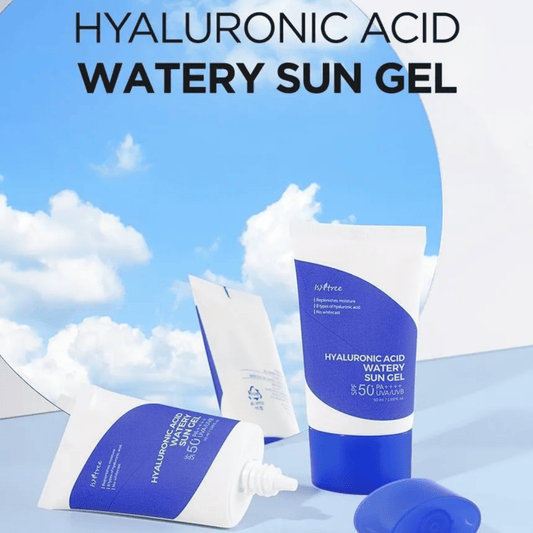
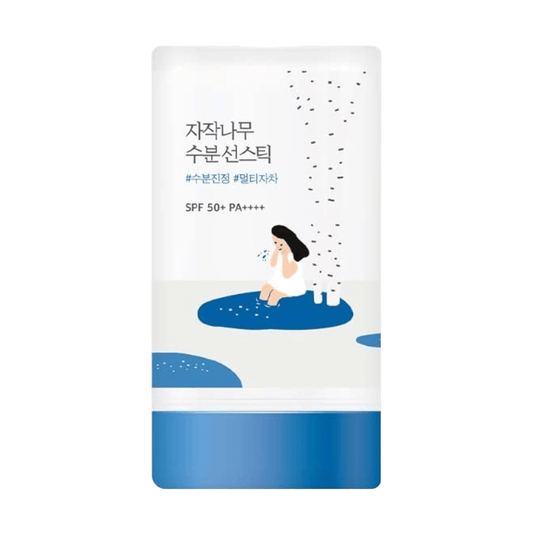
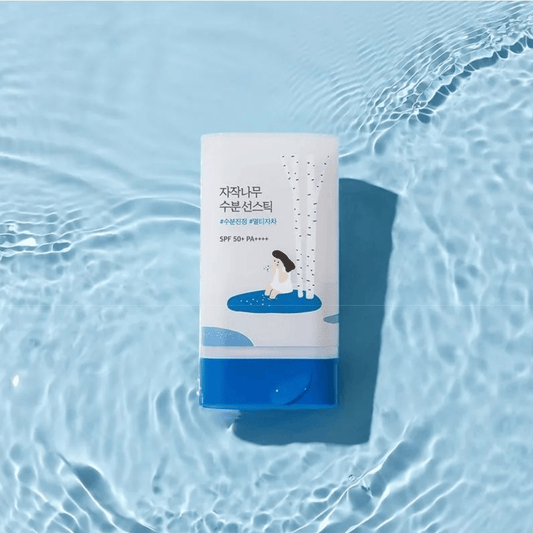

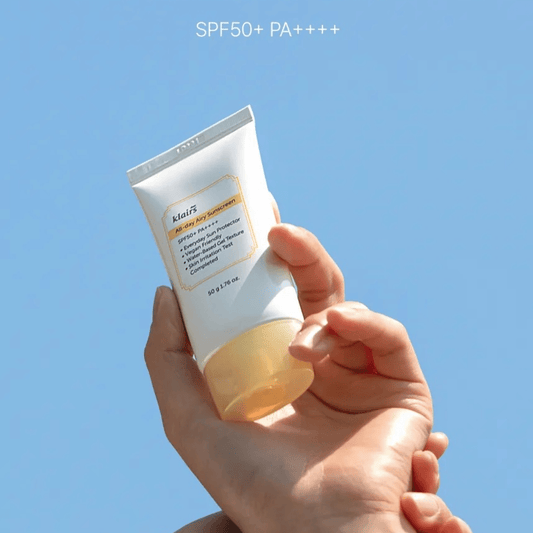
Korean Sunscreens for Dehydration address a condition that affects almost every skin type, including oily skin. When skin lacks water rather than oil, it looks flat, dull, and fine lines appear more visible. These sunscreens bring K-beauty's layered hydration philosophy to the final morning step, ensuring UV protection and water-binding care arrive together rather than competing for space in a routine that already has several steps to manage.
How Sunscreen Affects Skin Hydration
Some sunscreen formulas worsen dehydration, particularly those using alcohol denat. as a solvent. Korean sunscreens for dehydrated skin are built differently. They include multiple humectants that attract water to the skin surface. Hyaluronic acid, glycerin, beta-glucan, and betaine all function this way. Applied to slightly damp skin, they pull moisture upward and hold it in the upper layers throughout the day. The result is a sunscreen that actively contributes to skin comfort rather than competing with hydration steps applied beneath, keeping the skin feeling plump and settled from morning through to the early afternoon even in dry indoor environments.
- Hyaluronic acid draws water to the skin surface
- Glycerin holds moisture in the upper skin layers
- Beta-glucan provides lasting hydration and soothes simultaneously
- No alcohol denat. that would accelerate water loss
Choosing the Right Texture
Dehydrated skin can be oily, dry, or combination: the water deficit is a condition rather than a fixed skin type. For dehydrated-oily skin, a lightweight gel formula with humectants provides water without adding oil. For dehydrated-dry skin, a cream or emulsion with both humectants and emollients gives water and barrier support together. Korean sunscreens span this full range, and the variety of formats is one of their strengths for addressing varied dehydration patterns across skin types and changing seasonal conditions throughout the year in both dry and humid climates.
- Gel formulas suit dehydrated-oily skin without adding shine
- Cream and emulsion formats suit dehydrated-dry skin
- Apply to slightly damp skin for best humectant absorption
- Use a moisturiser beneath in very dry or cold conditions
Routine Placement
In a routine focused on dehydration, the sunscreen comes at the end, after a hydrating toner in layers, an essence, and a moisturiser. Korean Sunscreens for Dehydration layer cleanly over these steps without pilling. The combined routine provides layered water support throughout the morning. Sunscreen also prevents UV damage from degrading the barrier, which would otherwise allow more water to escape and worsen the dehydration over time. Daily consistent use builds cumulative improvement in skin hydration and comfort across weeks of regular application.
- Apply after hydrating toner and moisturiser for full layering benefit
- Consistent daily use builds cumulative hydration improvement
- UV protection prevents barrier degradation that worsens dehydration
- Add a sleeping mask two nights a week for overnight recovery
Signs of Dehydrated Skin and What to Look For
Dehydrated skin has a specific set of signs that distinguish it from simple dryness. Skin looks flat or papery, fine lines appear more pronounced, and the complexion looks dull despite a good moisturiser being applied. A sunscreen that contains multiple layers of humectants addresses this directly by adding water-binding capacity to the final step of the routine. Multi-weight hyaluronic acid, available in both high and low molecular weights in many Korean formulas, reaches different depths and provides a more thorough hydrating effect than single-weight versions alone.
- Flat, papery look signals dehydration rather than dryness
- Multi-weight hyaluronic acid reaches different skin depths
- Dull complexion improves with consistent humectant use
- Sunscreen as a hydration step, not just a protection step
Find Korean Sunscreens for Dehydration above and bring the K-beauty approach to hydration into your morning SPF step.