


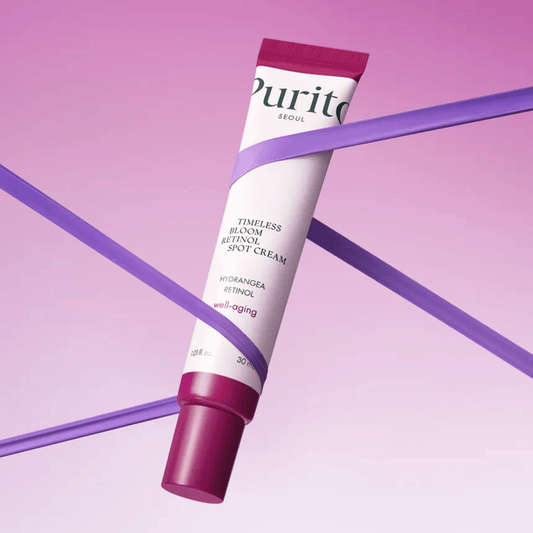

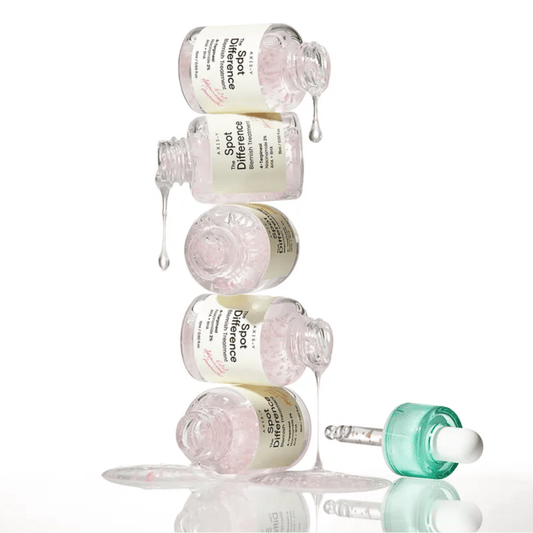

Korean Spot Treatments for Texture Smoothing treat blemishes and refine the rough, uneven surface they can leave behind. These formulas work on the spot and the skin around it, delivering clearer, smoother results with consistent use.
How Blemishes Affect Skin Texture
Active blemishes and the healing process after them can leave the skin surface noticeably uneven. Raised, inflamed spots create a bumpy texture that smooths as the blemish resolves. Enlarged pores, a common feature of blemish-prone skin, create a pitted, rough appearance across congested areas. Post-blemish marks and shallow scarring from improperly healed spots can create an uneven surface that catches light and looks rough even when the skin is otherwise clear. Texture-smoothing spot treatments address these different contributors through exfoliation, pore clearing, and reparative actives that work on both the active spot and its aftermath.
- Blemishes create texture through inflammation, congestion, and scarring
- Enlarged pores contribute to rough surface appearance
- Texture treatment works on active spots and their aftermath
Smoothing Ingredients in Korean Spot Treatments
Salicylic acid exfoliates the follicular lining and dissolves the sebum plugs that create bumpy congested skin. AHAs (glycolic and lactic acid) work at the surface to remove dead skin cells that create a dull, rough texture, lactic acid is particularly suitable alongside spot treatment because it also hydrates as it exfoliates. Niacinamide reduces sebum production and supports ceramide synthesis, improving overall skin surface quality over time. Retinol increases cell turnover and promotes collagen production, which helps smooth the shallow textural scarring that some blemishes leave. These ingredients are most effective when used consistently over weeks rather than applied intensively in short bursts.
- Salicylic acid for pore clearing and congestion smoothing
- AHAs for surface cell turnover and texture improvement
- Niacinamide and retinol for long-term surface quality improvement
Addressing Shallow Scarring With Spot Treatment
Shallow textural scarring (atrophic scarring) forms when the collagen laid down during blemish healing is insufficient or disorganised. This creates a small depression in the skin surface that is visible in certain lighting. Spot treatments alone are generally not powerful enough to reverse established atrophic scarring, that typically requires professional intervention. However, for very shallow depressions and the rough texture that forms around recent healed blemishes, consistent use of retinol-containing spot treatments over several months can produce meaningful improvement through collagen stimulation and cell turnover. Hyaluronic acid plumps the surface temporarily, reducing the visible depth of shallow marks.
- Retinol stimulates collagen over months for shallow improvement
- Hyaluronic acid plumps temporarily to reduce visible depth
- Established deep scarring requires professional treatment
Building a Routine for Smoother Skin
A texture-focused routine around spot treatment starts with consistent cleansing that removes the dead cell buildup contributing to rough texture. A gentle AHA or BHA toner provides baseline surface renewal across the whole face. The texture-smoothing spot treatment concentrates actives on congested or rough areas. A barrier-supportive moisturiser seals the routine and prevents the dehydration that exfoliating actives can cause. SPF every morning is essential when using exfoliating actives, as UV exposure degrades collagen and worsens the surface irregularity that the routine is improve. Patience is fundamental, meaningful texture improvement takes three to six months of consistent routine care.
- AHA or BHA toner provides baseline surface renewal
- Barrier moisturiser seals to prevent exfoliation-related dryness
- Expect 3-6 months for meaningful, sustained texture improvement
Find the right formula in our Korean Spot Treatments for Texture Smoothing range, targeted blemish care that also works on the surface it leaves behind.