
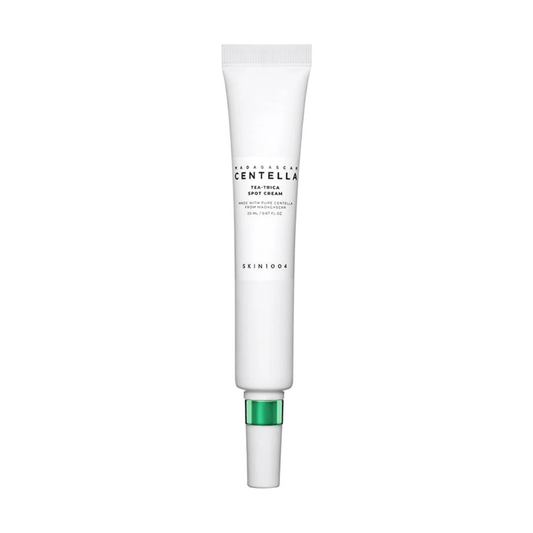

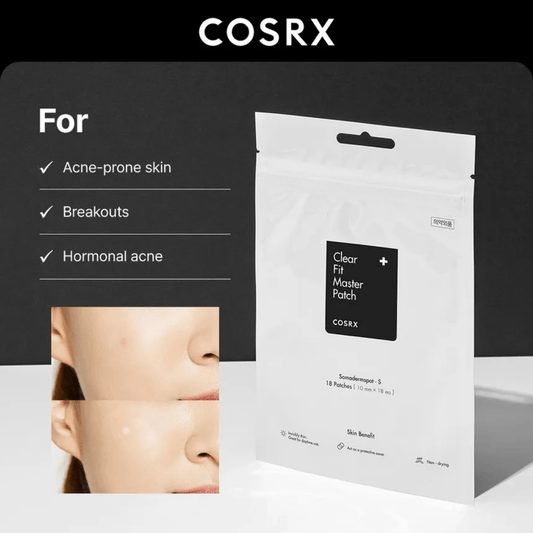

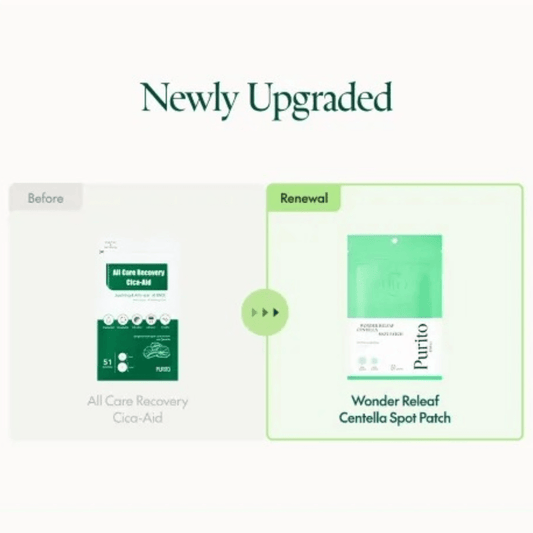

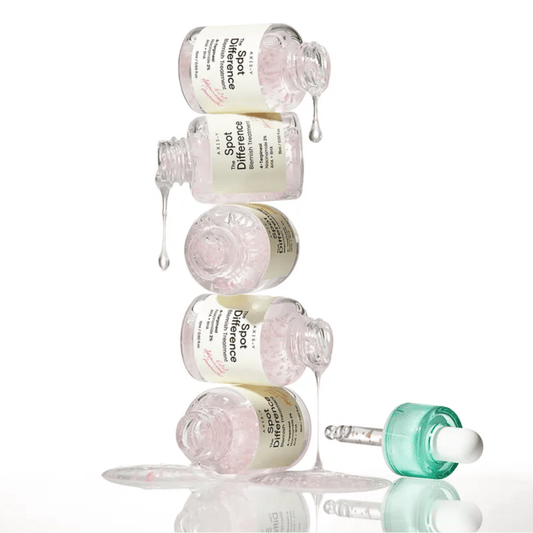

Korean Spot Treatments for Redness calm the visible redness around blemishes as they treat. These formulas settle the flush and discomfort of an active spot, helping your complexion look quieter and more even while treatment progresses.
Why Redness Accompanies Blemishes
The redness around a blemish is a visible sign of localised inflammation. When bacteria and sebum are trapped inside a follicle, the immune system sends blood flow and inflammatory cells to the area, causing the tissue to become red, swollen, and warm. This inflammatory response is necessary for clearing the infection but is also what makes blemishes so visible. Spot treatments that address only the bacteria or sebum leave inflammation untouched. Korean spot treatments for redness specifically target the inflammatory mediators that drive visible redness, helping the skin calm visually as the blemish heals.
- Redness signals active inflammation at the blemish site
- Targets the inflammatory mediators driving visible colour
- Reduces redness as part of the overall healing process
Ingredients That Reduce Redness Effectively
Centella asiatica is the most widely used anti-redness botanical in Korean skincare. Madecassoside has documented anti-inflammatory effects that reduce the prostaglandins responsible for the red, warm sensation around a blemish. Licorice root extract (glabridin) inhibits COX-2 activity, one of the key inflammatory enzymes, and also blocks the melanin production that would create a dark mark as the blemish fades. Azulene (from chamomile or mugwort) is a natural blue compound with rapid calming properties. Zinc gluconate reduces sebum and inflammatory activity simultaneously, making it doubly useful for redness-prone blemish skin.
- Centella madecassoside for anti-inflammatory action
- Licorice root and azulene to calm visible redness
- Zinc gluconate for dual sebum and inflammation control
Redness-Reducing Spot Treatment for Reactive Skin
If your skin flushes easily alongside blemishes, choose formulas that are fragrance-free, alcohol-free, and tested for sensitivity. The anti-redness actives in Korean spot treatments are generally well tolerated by reactive skin, but the addition of synthetic fragrance or denatured alcohol in the base formula can trigger further redness that counteracts the calming effect. Look for Korean formulas marketed specifically for sensitive or reactive skin as these will have been formulated and tested with that tolerance level in mind.
- Choose fragrance-free and alcohol-free formulas for reactive skin
- Look for products tested on sensitive skin
- Avoid bases that counteract the anti-redness actives
Managing Redness in Your Wider Skincare Routine
A redness-reducing spot treatment works best within a routine that does not actively provoke further inflammation. During any period of visible redness and blemishes, reduce exfoliation frequency and avoid high-pH or high-temperature cleansing. Apply SPF daily, UV exposure worsens both redness and post-inflammatory pigmentation. Cooling the skin briefly before applying treatment (for example, keeping the product in the fridge or pressing a clean cool cloth to the face first) can reduce baseline inflammation and help the formula absorb more effectively into already-inflamed tissue.
- Reduce exfoliation frequency when redness is active
- SPF every morning to prevent UV-driven worsening
- Cool the skin first to reduce baseline inflammation before applying
Explore our Korean Spot Treatments for Redness and find the formula that brings visible calm to your skin.