





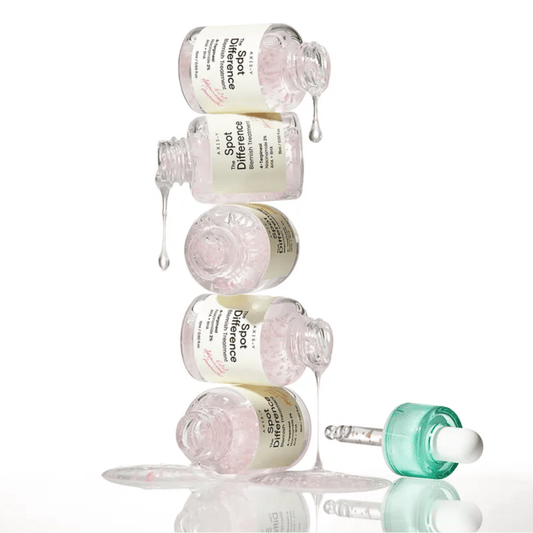


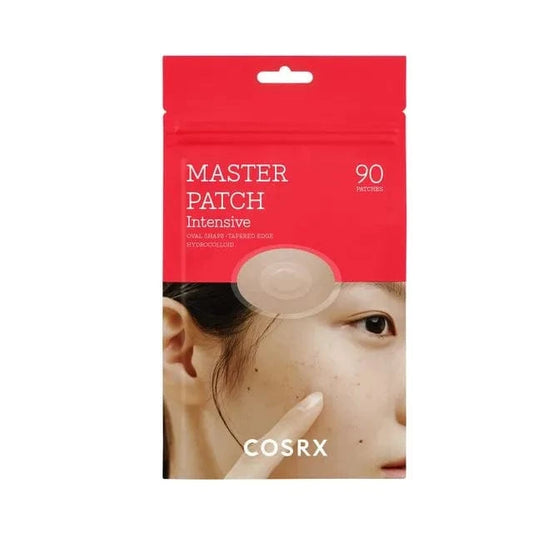

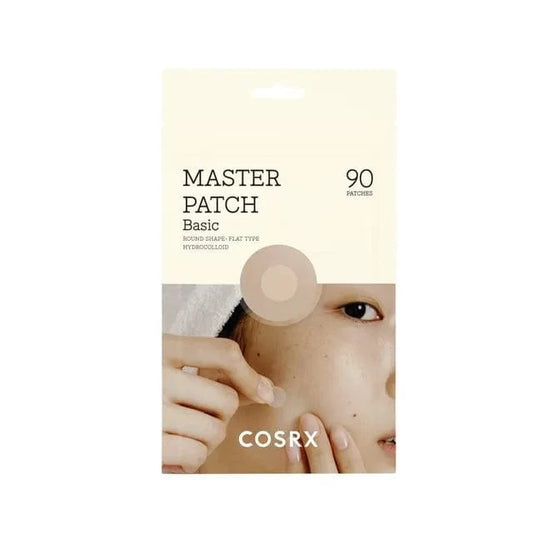


Korean Spot Treatments for Calming reduce the heat and irritation of an active blemish while treating it at the source. These formulas work on both the spot and the inflamed skin around it, bringing your complexion back to a calmer, more comfortable state.
The Role of Calming in Blemish Care
Inflammation is the body's response to a blocked and infected follicle, but prolonged inflammation also slows healing and increases the risk of post-inflammatory hyperpigmentation. Calming a blemish quickly reduces this risk. Korean calming formulas do not simply dry the spot, they actively interfere with the inflammatory cycle using botanical actives that reduce redness and swelling. This dual action means the blemish resolves more quickly and with less visible aftermath than from a purely drying treatment.
- Reduces the inflammatory cycle rather than just drying the spot
- Speeds resolution and reduces post-blemish risk
- Suitable for use during active flare-ups
Calming Ingredients That Work
Centella asiatica is widely used in Korean calming formulas for its documented effect on inflammation and skin repair. Mugwort, a traditional Korean botanical, contains azulene and chamazulene compounds similar to those in chamomile, with strong calming and antioxidant properties. Licorice root extract reduces redness by inhibiting the enzyme responsible for melanin production, which also helps prevent dark marks forming after the blemish clears. Green tea and heartleaf are further calming botanicals common in Korean spot treatments.
- Centella asiatica and mugwort for inflammation
- Licorice root to calm redness and prevent dark marks
- Green tea and heartleaf for broad-spectrum calming
How to Apply a Calming Spot Treatment
Apply a small amount directly to the blemish and the immediately surrounding skin. Avoid spreading it across your whole face unless the formula suits full-face use. If using alongside other actives, apply calming treatments last in your layering sequence, just before moisturiser. For an intense calming effect overnight, use a calming sleeping patch or a thicker layer of cream-format treatment covered with a small plaster. Wash off in the morning and assess the improvement before deciding on further applications.
- Target the blemish and the surrounding inflamed area
- Apply last in the active sequence before moisturiser
- Overnight patches maximise calming contact time
Calming Spot Treatment for Different Skin Types
Sensitive skin types should prioritise calming formulas over strong drying actives, as the inflammation-reducing effect does the most work with the least irritation. Combination skin can use calming gel treatments across oily zones without concern about excess moisture. Dry and dehydrated skin benefits from cream-format calming treatments that address both the blemish and moisture depletion around it. Even robust, resilient skin sees faster blemish resolution when a calming element is introduced: less prolonged redness means less risk of lasting marks.
- Sensitive skin benefits most from a calming-first approach
- Gels for oily zones, creams for dry areas
- Shorter blemish lifespan across all skin types
Long-Term Calming and Skin Health
Used consistently over six to eight weeks, calming spot treatments reduce the overall inflammatory burden of a blemish-prone complexion. Each resolved blemish leaves a lighter mark and the time between new breakouts typically extends. Skin that was once persistently red and reactive often reaches a more settled baseline after two months of calming-focused care, provided the broader routine also avoids unnecessary irritants. The cumulative reduction in inflammation protects against both new breakouts and the post-inflammatory pigmentation that follows them.
- Reduced inflammatory burden at 6-8 weeks
- Longer intervals between breakouts
- More settled, less reactive baseline overall
- Cumulative protection against post-inflammatory pigmentation
Find your ideal formula in our Korean Spot Treatments for Calming range.