



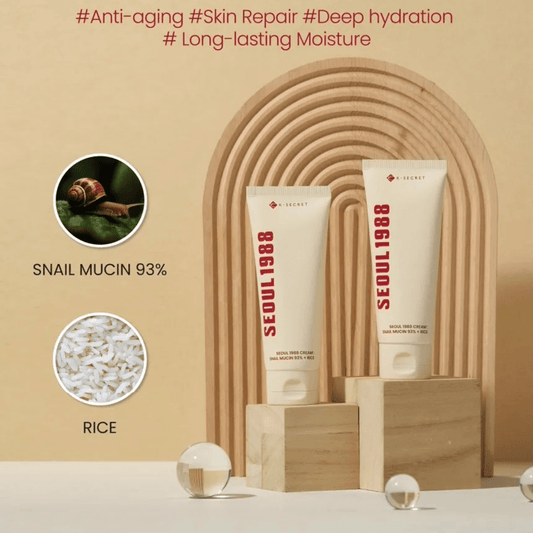

Korean skincare with snail mucin for pigmentation fades dark spots and evens out skin tone through gentle, multi-pathway mechanisms that work without irritating the skin. Pigmentation forms when melanocytes overproduce melanin in response to UV exposure, inflammation, hormonal changes, or injury. Snail secretion filtrate tackles this at several points in the pigmentation process rather than relying on a single bleaching action.
How Snail Mucin Addresses Pigmentation
The pigmentation-fighting compounds in snail mucin work through distinct but complementary mechanisms. This multi-target approach produces more even results than single-ingredient brightening products.
- Natural glycolic acid accelerates shedding of pigmented surface cells
- Copper peptides help regulate melanocyte activity to reduce new melanin deposits
- Zinc influences the enzymes involved in melanin synthesis
- Allantoin calms the inflammation that triggers post-inflammatory hyperpigmentation
- Growth factors speed cell turnover, replacing dark cells with evenly pigmented new ones
The Barrier Connection to Pigmentation
A fact often overlooked in pigmentation treatment is that a weakened skin barrier directly triggers melanin production. The skin produces extra pigment as a protective response when its barrier is compromised. Many aggressive brightening products worsen pigmentation over time precisely because they damage the barrier while attempting to lighten it. Snail mucin avoids this trap by strengthening the barrier simultaneously, preventing the defensive melanin response that undermines other treatments.
Patience and Consistency
Pigmentation responds to steady, consistent treatment rather than aggressive intervention. Four to eight weeks of twice-daily snail mucin use allows the glycolic acid and cell turnover compounds to gradually replace hyperpigmented cells with evenly toned new ones. Sun protection during this period is essential to prevent new melanin deposits from forming while the existing pigmentation clears.