
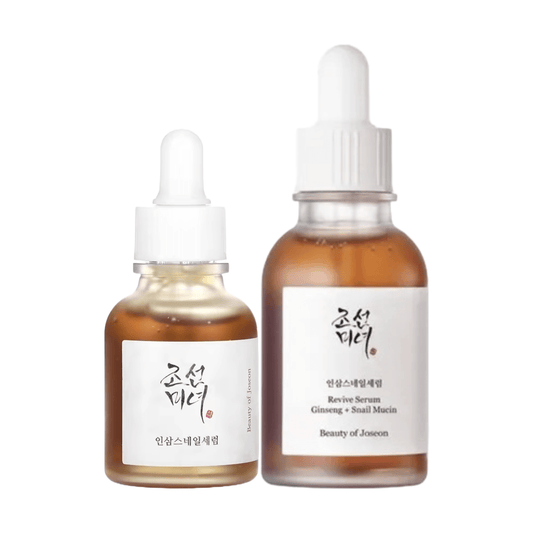
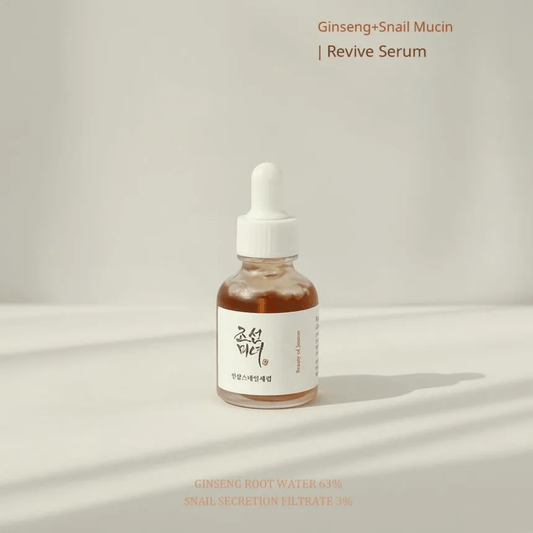

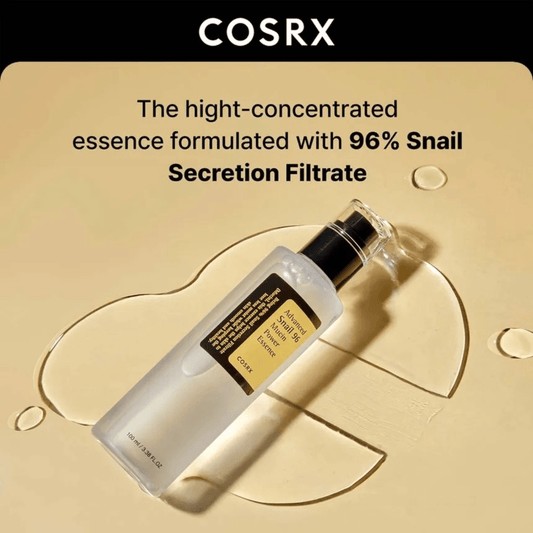






Korean skincare with snail mucin for wound healing draws on the same biological mechanism snails use to repair their own tissue after injury. The filtrate is rich in allantoin, copper peptides, glycoproteins, and proteoglycans, all of which play documented roles in the three overlapping phases of tissue regeneration: inflammation, proliferation, and remodelling.
How Snail Mucin Supports Each Healing Phase
During the inflammatory phase, allantoin and zinc in the filtrate help control the initial immune response, preventing it from becoming excessive and causing unnecessary tissue damage. During proliferation, allantoin stimulates fibroblast activity, accelerating the production of new skin cells at the damage site. Glycoproteins provide structural scaffolding that guides new cells to organise into healthy tissue patterns rather than forming disordered scar tissue. During remodelling, copper peptides direct collagen synthesis toward flexible, organised fibre arrangements that integrate smoothly with surrounding skin.
- Allantoin activates fibroblasts to speed new cell production at wound sites
- Copper peptides direct collagen synthesis toward flexible, scar-resistant repair tissue
- Glycoproteins create structural scaffolding for organised, healthy tissue formation
- Proteoglycans maintain hydration at the wound site to support optimal healing conditions
- Zinc provides localised antimicrobial protection against infection during the vulnerable period
Practical Applications
These products are effective for minor cuts, post-blemish marks, micro-tears from environmental exposure, and skin recovering from procedures like microneedling or laser treatments. Korean formulations concentrate the healing compounds into lightweight textures that absorb without disturbing the delicate tissue at wound sites. They do not sting on application, which matters when the skin is already raw and sensitised.
Minimising Scarring
The copper peptides in snail mucin are particularly valuable for scar prevention. They direct collagen to form in organised, parallel patterns rather than the disordered, tangled bundles that create visible, raised, or discoloured scars. Applied consistently during the critical healing window of the first 4 to 8 weeks after injury, this leads to smoother, flatter, less noticeable repair outcomes. For post-acne scarring, the combination of healing support and gentle glycolic acid exfoliation helps fade marks faster than the body manages unassisted.