

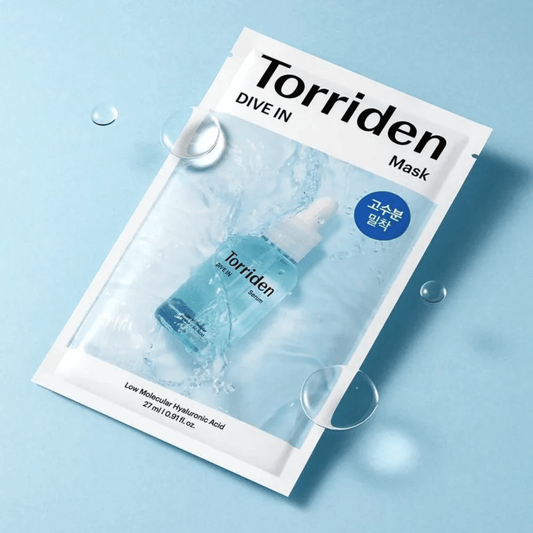
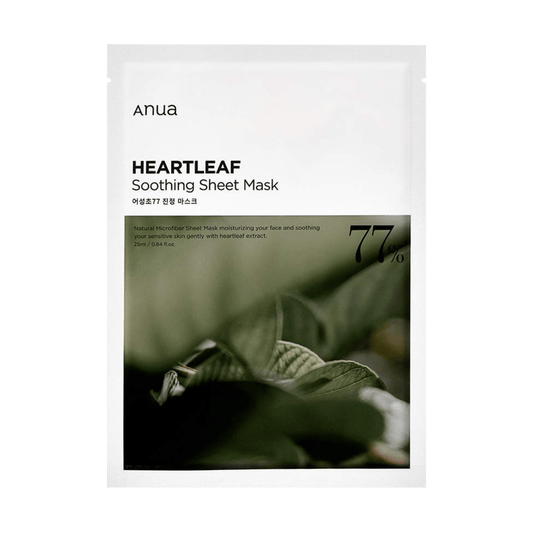

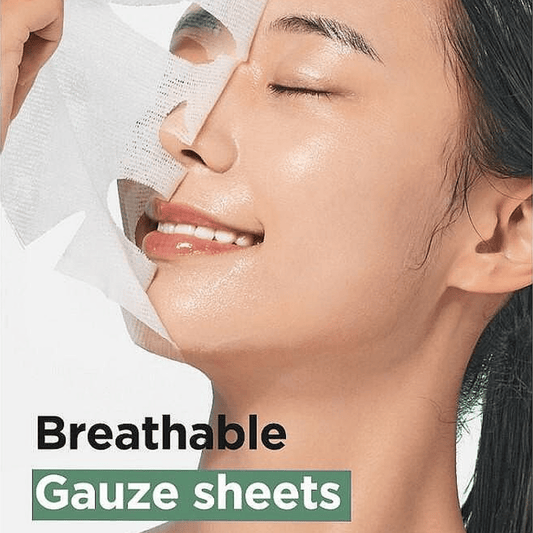

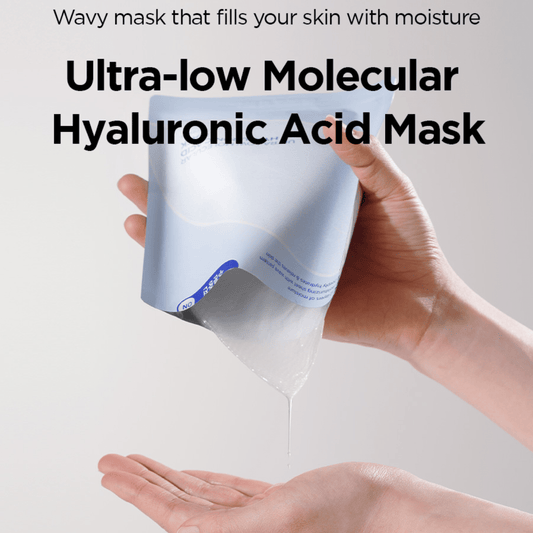
Korean Sheet Masks - Fungal-Acne-Safe address one of the most specific and underserved skincare needs in the Korean market. Fungal acne, or Malassezia folliculitis, is caused not by bacteria but by an overgrowth of Malassezia yeast that lives naturally on the skin. When fed the right ingredients, this yeast proliferates and causes comedone-like bumps that look like acne but do not respond to bacterial acne treatments. Korean skincare, with its heavy use of fermented ingredients, plant oils, and amino acid-rich formulas, can inadvertently feed Malassezia if the formula is not carefully designed for this concern.
What Triggers Malassezia Overgrowth
Malassezia feeds primarily on fatty acids in the C11-C24 chain length range. This means most plant oils (including camellia, olive, argan, and coconut) can trigger it because they are rich in these fatty acids. Fermented ingredients like galactomyces filtrate and certain amino acid complexes also provide food for Malassezia. Polysorbate esters are another common culprit. Understanding which ingredients to avoid is the first step to choosing a sheet mask that hydrates fungal-acne-prone skin without worsening the underlying imbalance.
- Malassezia feeds on fatty acids C11-C24 in plant oils
- Fermented ingredients like galactomyces can trigger overgrowth
- Polysorbate esters are a common hidden trigger
- Avoiding these is the foundation of fungal-acne-safe formulation
Safe Ingredients for Fungal-Acne-Prone Skin
Several hydrating and active ingredients are safe for Malassezia-prone skin. Hyaluronic acid is fully safe. Niacinamide is safe and adds barrier and sebum-regulating benefits. Glycerin is safe as a humectant. Centella asiatica extract is safe and provides calming alongside hydration. Squalane from plant sources is generally considered safe because its fatty acid profile is not in the Malassezia-feeding range. Korean brands that have specifically formulated for fungal-acne-safe use include COSRX and Round Lab in specific product lines.
- Hyaluronic acid, glycerin, and niacinamide are all safe
- Centella asiatica safe for fungal-acne-prone skin
- Squalane generally safe due to its fatty acid profile
- COSRX and Round Lab have specific fungal-acne-safe lines
How to Verify a Sheet Mask Is Safe
The most reliable way to check a sheet mask is fungal-acne-safe is to run the full ingredient list through a dedicated Malassezia ingredient checker, such as the one at simpleskincarescience.com or similar tools. These databases flag known Malassezia-feeding ingredients from peer-reviewed research. No shortcut exists: the ingredient list must be checked fully. If a mask contains fermented filtrates, most plant oils, or certain emulsifiers, it will not be suitable regardless of how it is marketed.
- Check full ingredient list through a Malassezia ingredient tool
- Reliable checkers at simpleskincarescience.com and similar sites
- No marketing claim is a substitute for ingredient verification
- Fermented filtrates and plant oils are common hidden issues
Routine Use
Use a fungal-acne-safe sheet mask one to two times per week as part of a routine that is entirely reviewed for Malassezia safety. A single safe mask is not enough if the rest of the routine contains triggering ingredients. Build from cleanser through moisturiser using verified-safe products, then the sheet mask step becomes a useful addition rather than the exception in an otherwise unsafe routine. Over four to six weeks of a fully safe routine, most fungal acne improves noticeably.
- One to two times per week in a fully safe routine
- Full routine must be verified, not just the mask
- Safe routine from cleanser through moisturiser is required
- Visible improvement in fungal acne over four to six weeks
Browse the fungal-acne-safe sheet mask collection above. Hydration that works for your skin without the ingredient compromises that make things worse.