
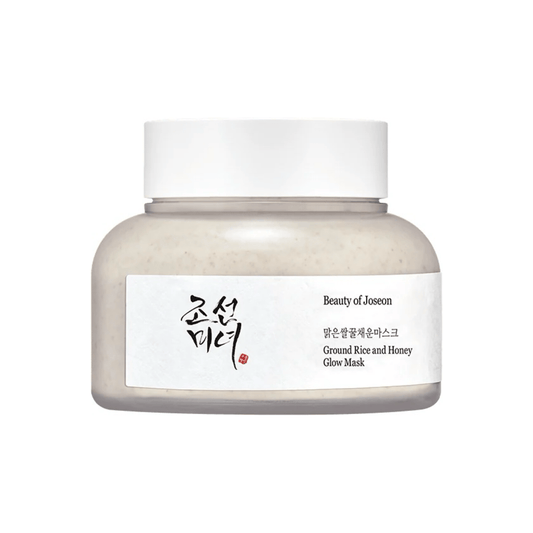
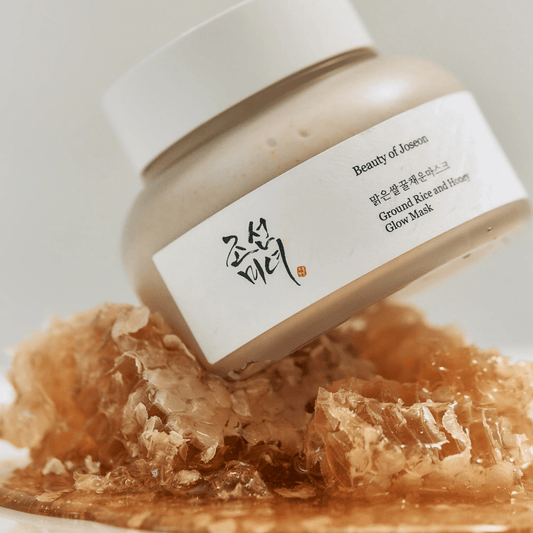



Korean Masks with Honey bring one of the oldest and most studied natural skincare ingredients into a concentrated mask format. Honey's effectiveness comes from its multiple simultaneous actions: it draws and holds moisture, provides gentle antibacterial protection, delivers antioxidant flavonoids, and maintains the skin's natural pH. These properties make it a genuinely versatile masking ingredient rather than a purely sensory addition.
What Honey Does for Skin
Honey is a powerful natural humectant. Its high sugar content draws moisture from the environment and holds it at the skin surface, keeping cells plump and the barrier hydrated. It contains hydrogen peroxide at low, skin-safe concentrations, and methylglyoxal, especially in manuka honey, that provide mild natural antibacterial action without disrupting the skin's microbiome. Its polyphenol flavonoids are antioxidants that protect cells from free radical damage. The mildly acidic pH of honey supports the skin's natural acid mantle.
- High sugar content for strong natural humectancy
- Hydrogen peroxide and methylglyoxal for mild antibacterial action
- Polyphenol flavonoids for antioxidant protection
- Mildly acidic pH supports the skin's acid mantle
Formats and Routine Integration
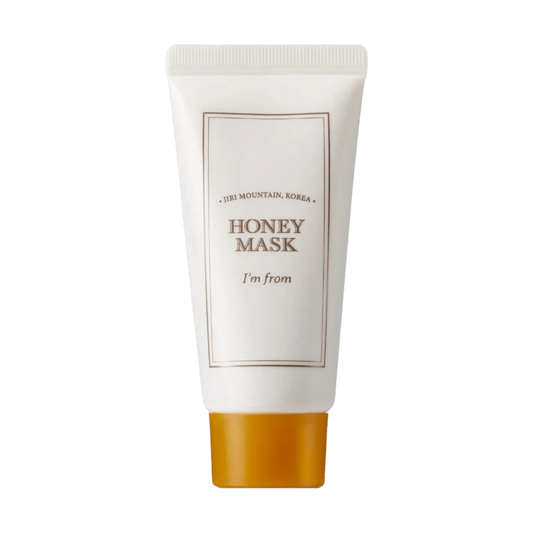
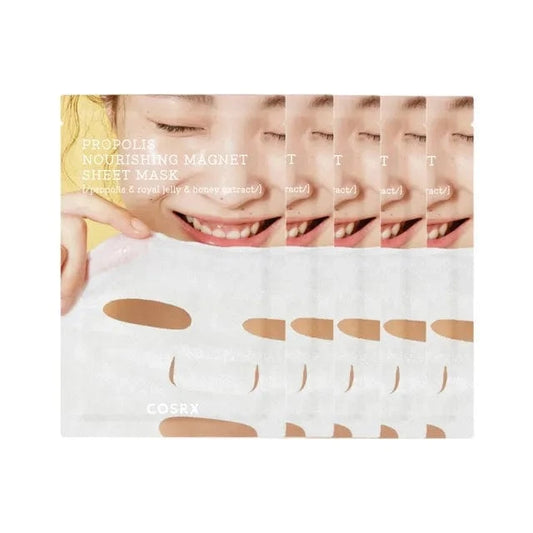
Korean honey masks come in wash-off cream formats, sleeping masks, and sheet masks soaked in honey-infused essence. Wash-off honey cream masks feel rich and comforting and are particularly suited to dry and normal skin types. Sleeping honey masks work through the night, delivering sustained humectancy and antibacterial protection while the skin repairs. Sheet masks with honey essence suit all skin types including combination skin, delivering the benefits in a lighter, rinse-free format.
- Honey cream wash-off masks for dry and normal skin
- Sleeping honey masks for overnight nourishment
- Sheet masks with honey essence for all skin types
- Manuka honey formats for stronger antibacterial action
Routine Placement and Pairings
Korean Masks with Honey work well in the evening as the last intensive treatment before bed. Sleeping honey masks can replace the moisturiser step entirely on masking nights. Wash-off formats should be followed with a moisturiser to seal in the hydration the honey has drawn up. Use two to three times a week for consistent nourishing benefit. Honey masks pair well with centella and ceramide products for a routine that covers both nourishment and barrier repair.
- Apply in the evening as last intensive step
- Sleeping masks can replace moisturiser
- Follow wash-off formats with moisturiser
- Use 2-3 times weekly for consistent benefit
Who Benefits Most
Dry skin benefits most from honey's rich humectancy and nourishing properties, finding that regular use reduces the persistent tightness and roughness that comes with insufficient barrier lipids. Normal skin finds honey masks a reliable maintenance step that keeps hydration topped up between more intensive treatments. Combination skin tolerates honey well in lighter sheet mask formats, with the centre panel of the mask delivering extra nourishment where the skin is driest. Oily and blemish-prone skin can benefit from manuka honey formats for their mild antibacterial action, provided the rest of the formula is non-comedogenic.
- Dry skin for rich humectancy and nourishment
- Normal skin for hydration maintenance
- Combination skin in lighter sheet mask formats
- Oily skin: manuka honey formats for antibacterial benefit
Scroll up to explore the full range. Nourished, protected, comfortable skin with every session.