


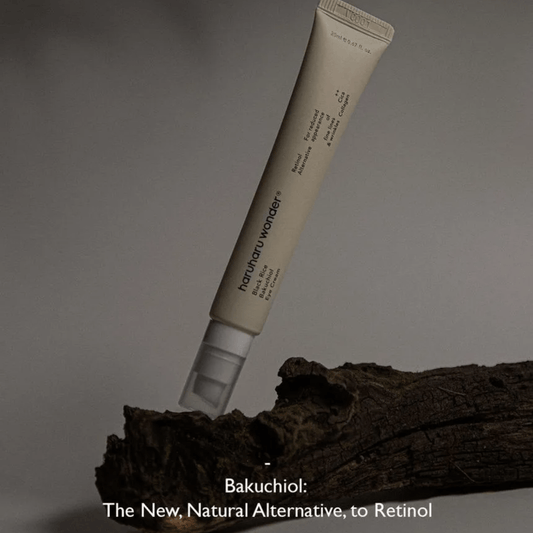

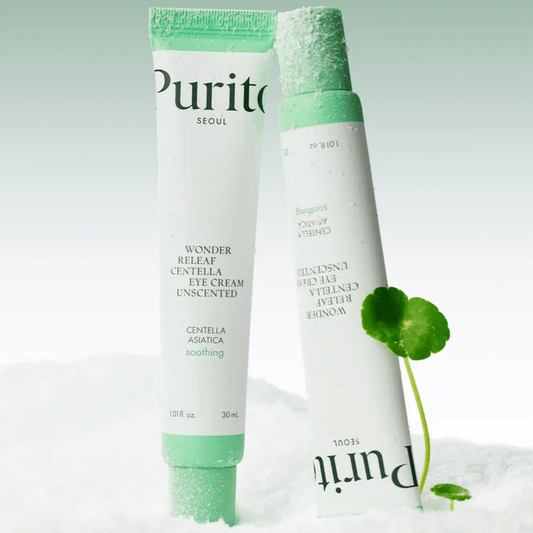

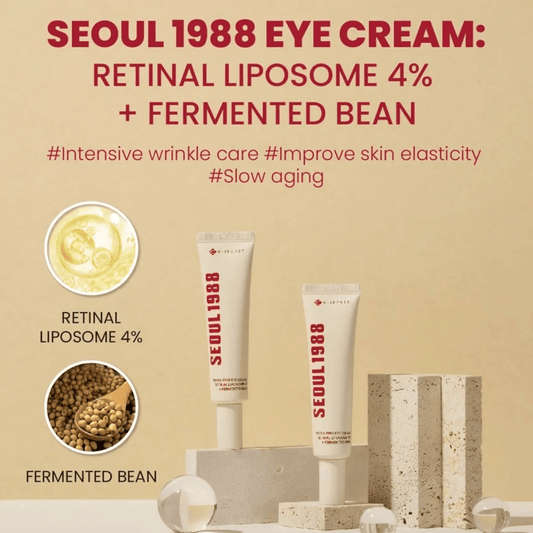
Korean Eye Creams for Redness bring calm to an area of the face that flushes and reacts more readily than any other. The orbital skin is exceptionally thin, which means blood vessels sit close to the surface and any inflammatory response becomes immediately visible as redness or pinkness around the eye. Korean skincare addresses this with formulas built around ingredients that reduce that inflammatory response directly, without adding further stress.
Ingredients That Calm Redness Around the Eyes
The most effective ingredients for redness-prone orbital skin are centella asiatica, which interrupts the inflammatory cycle and supports barrier repair; niacinamide, which reduces vasodilation and evens out the skin's response to irritants; and allantoin, which soothes surface reactivity and softens irritated skin. Panthenol supports barrier function so redness is less easily triggered by products or environmental changes. Korean formulas combine these without fragrance, which is a common hidden cause of orbital redness.
- Centella interrupts inflammation and supports barrier
- Niacinamide reduces vasodilation and reactivity
- Allantoin soothes and softens irritated surface
- Fragrance-free formulas remove a common redness trigger
Textures for Redness-Prone Skin
Eye creams for redness should feel cool and immediately calming on contact. Gel-cream and thin lotion textures are ideal, they absorb quickly without any pulling or dragging on delicate orbital skin. Cooling gels stored at room temperature or briefly in the fridge provide additional comfort. Heavy, rich textures are less suited to redness-prone eye area skin as they can trap heat and worsen flushing.
- Gel-cream and thin lotion textures absorb cleanly
- Cooling on contact for immediate comfort
- No pulling or dragging on thin orbital skin
- Heavy textures may worsen heat and flushing
Skin Types and Routine Placement
Redness around the eyes is most common in sensitive, reactive, and rosacea-prone skin, but can also appear in dry skin with a weakened barrier or in skin experiencing stress. Apply a redness-calming eye cream morning and evening at the eye cream step. Use mineral SPF in the morning rather than chemical SPF, which is more likely to cause a stinging reaction on sensitive, redness-prone skin.
- Sensitive and reactive skin types benefit most
- Rosacea-prone skin needs consistent daily calming
- Dry skin with barrier weakness also responds well
- Pair with mineral SPF in the morning routine
Lifestyle Factors That Affect Orbital Redness
Skincare helps manage orbital redness, but some of the strongest triggers are lifestyle-related. Temperature extremes, spicy food, alcohol, exercise, and stress all increase blood flow and can trigger flushing. Rubbing the eyes, even gently, worsens vascular redness in the short term. Avoiding hot water on the face when cleansing and using cool or lukewarm water instead reduces daily flare-ups noticeably. For chronic redness that does not respond to topical care, a dermatologist assessment for underlying conditions such as rosacea or periocular dermatitis is worthwhile.
- Temperature extremes, alcohol, and stress worsen flushing
- Avoid rubbing the eyes even lightly
- Cool water when cleansing reduces daily flare-ups
- Persistent redness warrants professional assessment
Explore the collection above to find the Korean eye cream for redness that brings calm and comfort to the orbital area each day.