



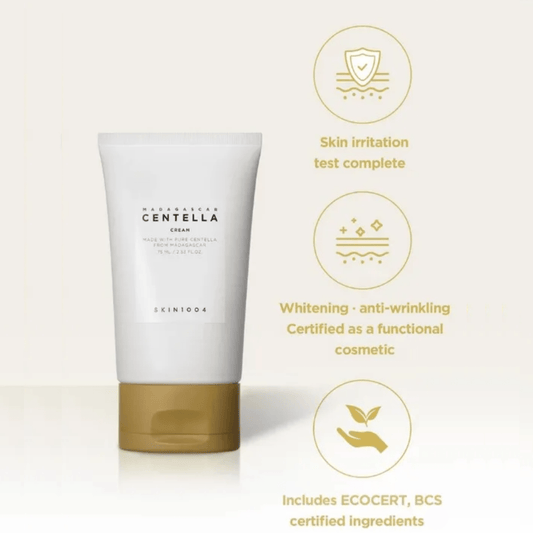

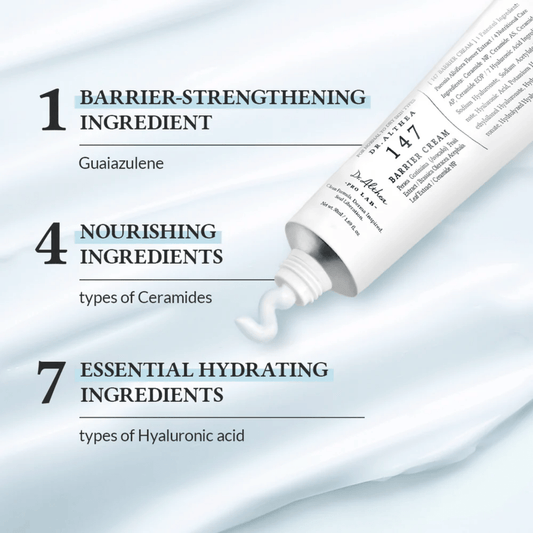

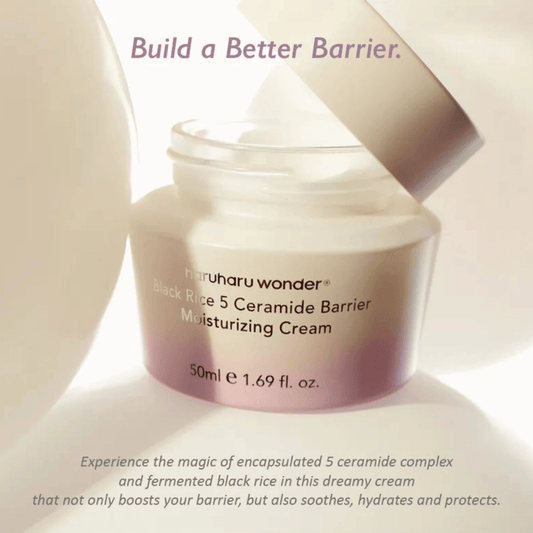

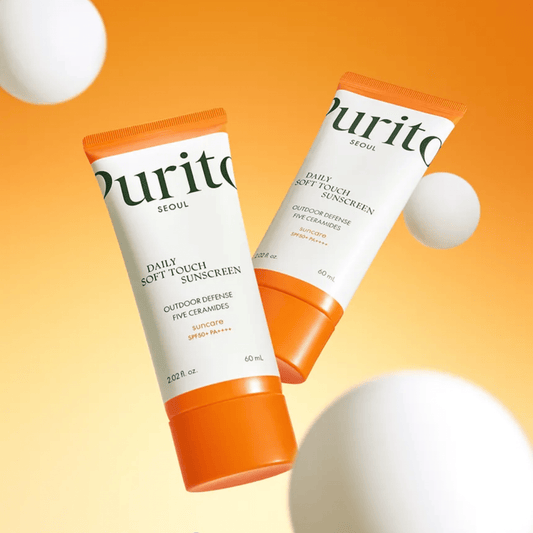

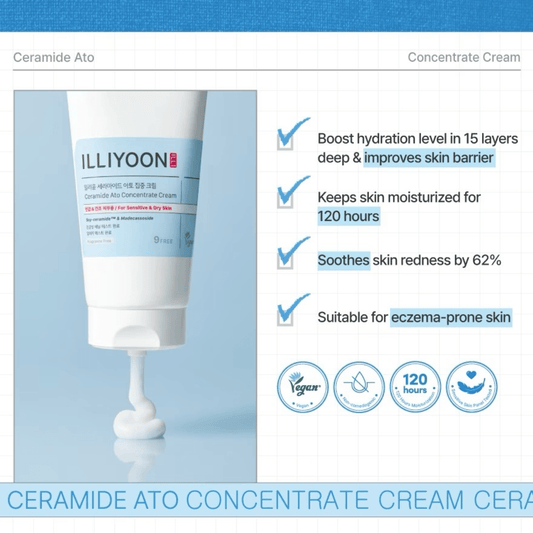
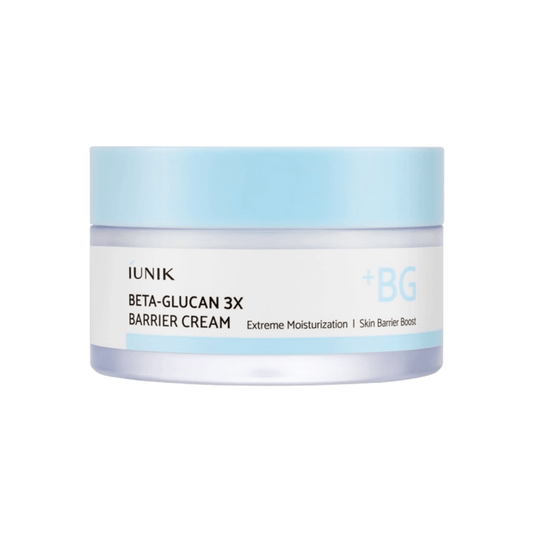
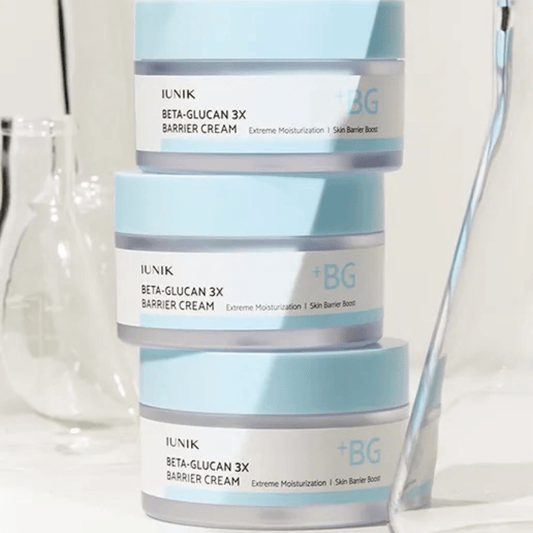
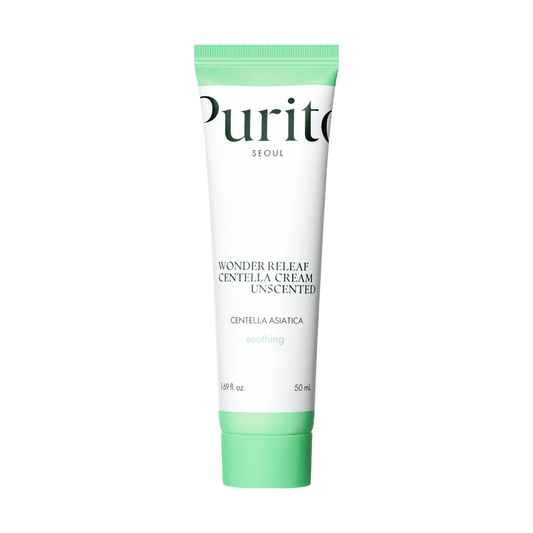




Korean creams with ceramide focus on one clear goal: helping the skin's barrier do its job well. These formulas replenish the natural fats skin relies on to hold moisture in and keep irritants out. Ceramides are already part of the skin's own lipid structure, and a well-formulated Korean cream tops them up where they have been depleted by age, harsh products, or cold weather.
What Ceramides Do in a Cream
Ceramides sit between skin cells like mortar between bricks. They form a seal that holds moisture in and keeps harsh elements out. When this barrier weakens, skin feels dry, tight, or easily irritated. A ceramide cream replenishes these natural fats so the barrier can work properly again. Korean formulas often include several ceramide types for a more complete approach, replicating the skin's own natural lipid ratio as closely as possible rather than relying on a single ceramide type that addresses only part of the barrier's structural needs.
- Fill gaps between skin cells to restore the moisture seal
- Hold moisture in the outer skin layer
- Protect against dryness and irritation
- Multiple types for broader and more complete support
Signs Skin Needs Ceramides
If skin feels tight after washing, looks flaky, or reacts to products that used to be fine, the barrier may need help. Cold weather, over-cleansing, and strong treatment actives can all strip ceramides away. A ceramide cream helps rebuild what has been lost. It is one of the most straightforward steps for lasting comfort. Ceramides NP, AP, and EOP are among the most studied types used in Korean formulas and are well-supported by gentle evidence for barrier restoration.
- Tightness after cleansing
- Flaking or rough patches
- New sensitivity to familiar products
- Dryness from weather or active treatments
How These Creams Feel
Korean ceramide creams tend to feel rich but not heavy. They have a smooth, slightly cushiony texture that melts into skin without sitting on the surface. The finish is nourishing and comforting without greasiness. Some have a balm-like quality that feels particularly welcome during colder months. Most absorb within two minutes, leaving the skin with a soft, settled finish that sits comfortably under makeup and SPF in the morning routine.
- Rich but not heavy on the skin
- Smooth, cushiony texture that melts in
- Comforting finish without grease
- Balm-like quality in winter formulas
Building a Routine with Ceramide Cream
Apply as the last step of a skincare routine to seal in everything applied before it. It pairs well with hydrating serums underneath. If stronger products like retinol or exfoliating acids are part of the routine, a ceramide cream helps calm skin afterwards and supports the barrier's recovery between active sessions. Morning and evening use gives steady barrier support throughout the day and through the night when the skin is in its most active repair state.
- Final step to seal in the routine
- Pairs well with hydrating serums beneath
- Calms skin after stronger products
- Morning and evening for steady barrier care
What to Look for on the Label
Seek out formulas that list ceramide NP, ceramide AP, or ceramide EOP. These are well-researched forms shown to restore barrier function. Additional ingredients like cholesterol and fatty acids work alongside ceramides because the skin barrier contains all three in balance: products that include all three types deliver more complete repair. Niacinamide and panthenol are useful extras that support the barrier from a different angle and make the formula more comprehensive overall.
- Ceramide NP, AP, or EOP on the ingredient list
- Cholesterol and fatty acids for complete lipid balance
- Niacinamide for added barrier support
- Panthenol for softness and calm
Browse the collection above and find the ceramide cream that fits. Stronger, calmer skin starts with a barrier that feels supported.