
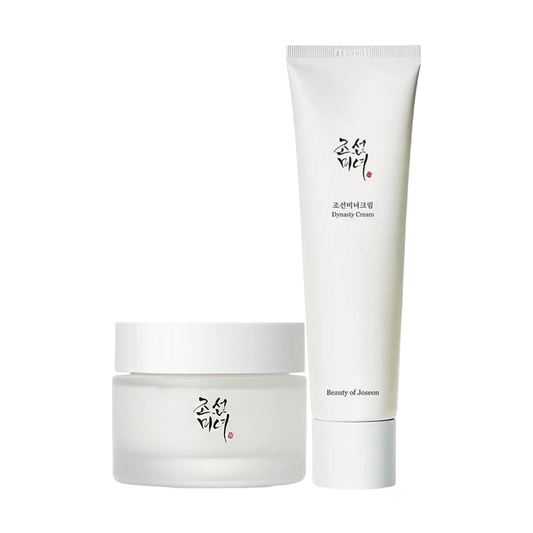
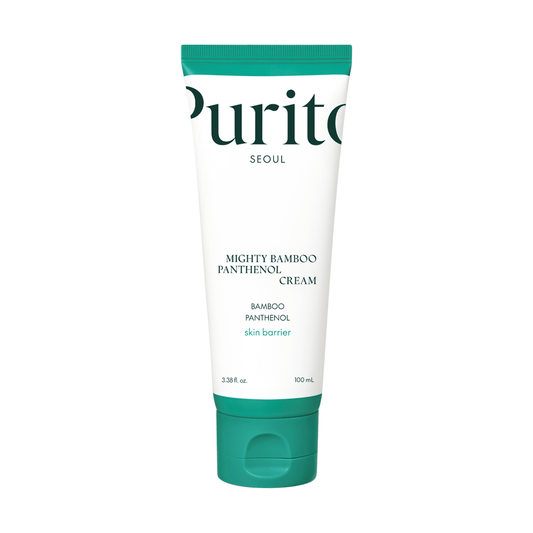

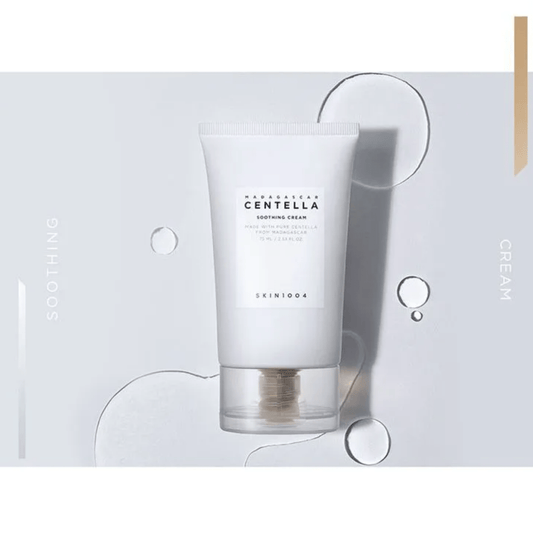
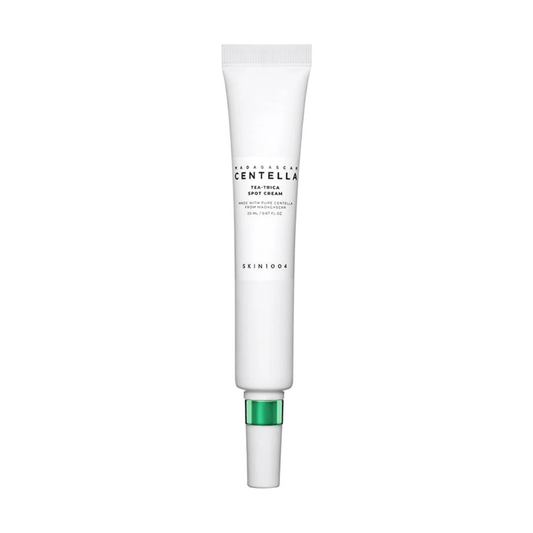
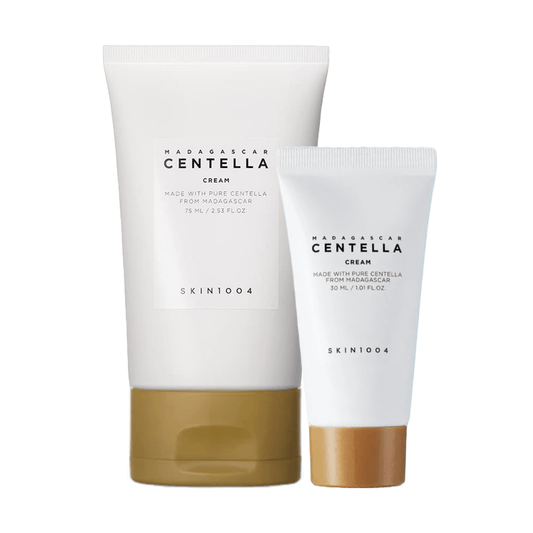
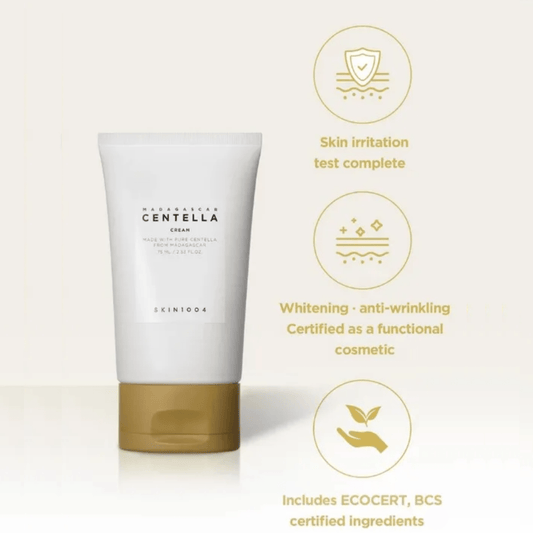

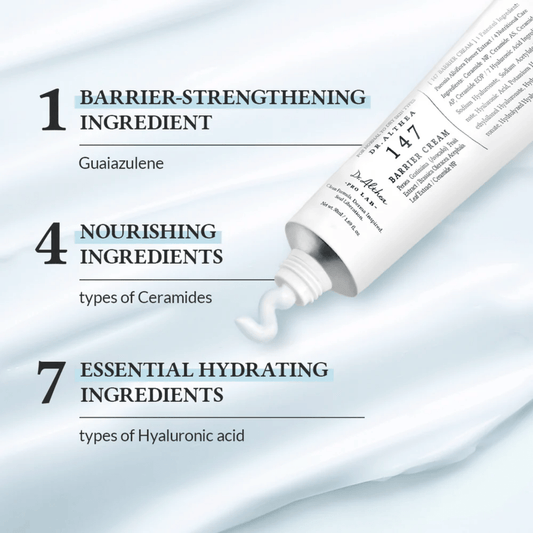

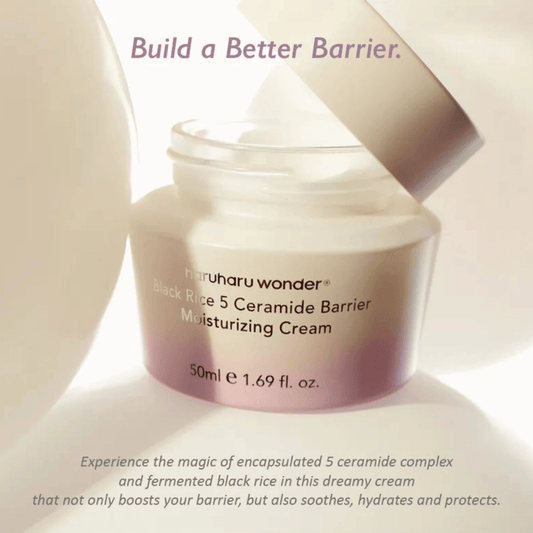


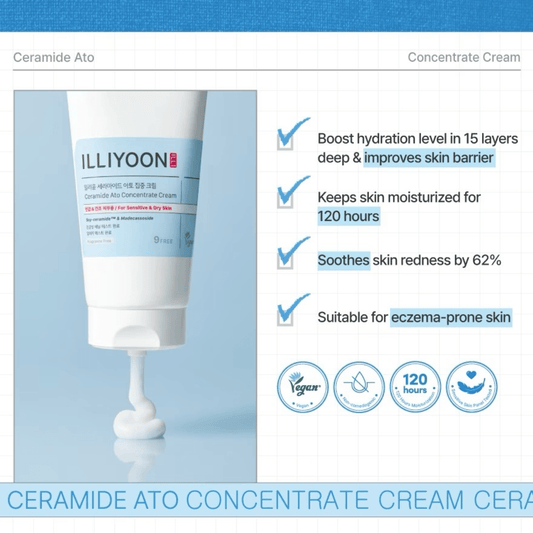
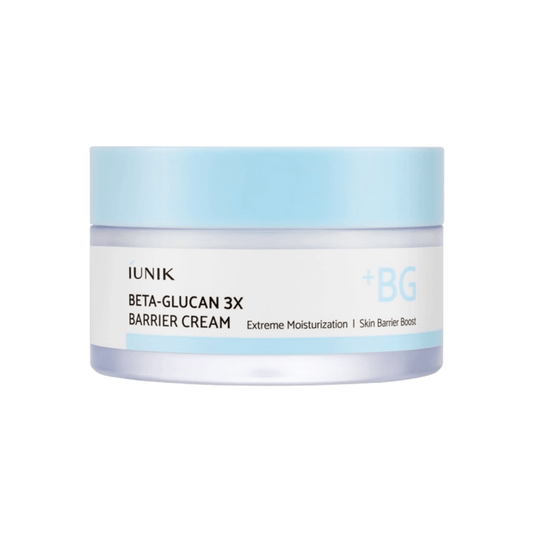
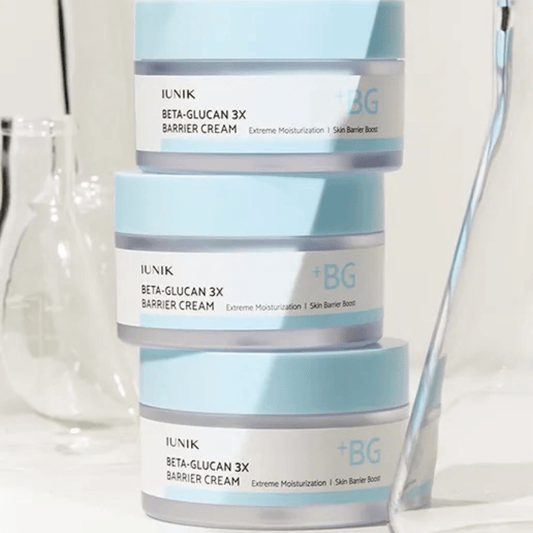
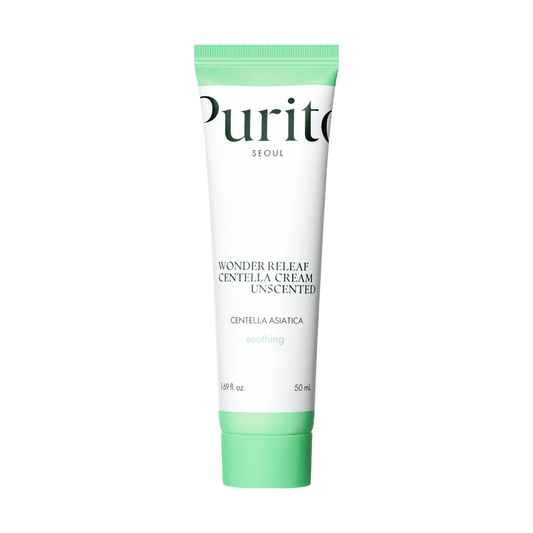
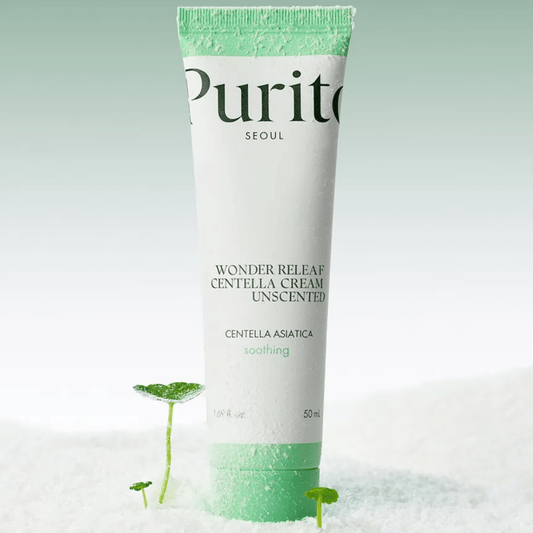

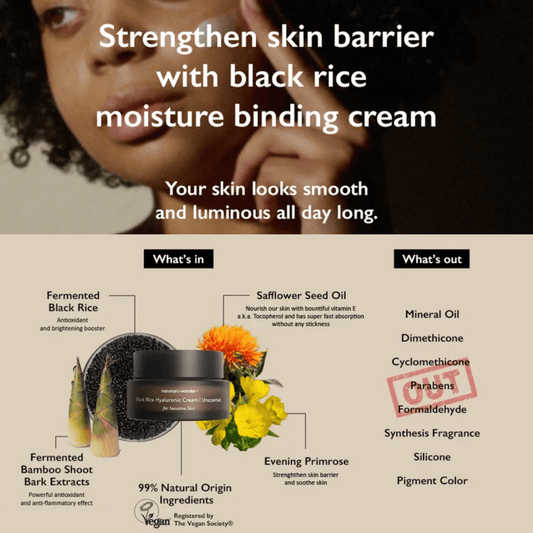


Korean Creams for Barrier Repair are for skin in active recovery. A broken skin barrier does not just feel uncomfortable, it stops functioning as a protective layer, letting irritants in and moisture out. These cream-weight formulas address that breakdown directly, with ingredients that rebuild the barrier's structure while calming the inflammation that almost always accompanies significant barrier damage.
What Ingredients Help Repair a Damaged Skin Barrier
Effective barrier repair requires a targeted set of ingredients that address different aspects of the barrier's breakdown. Ceramides are the structural core: they fill the intercellular gaps that a damaged barrier leaves open. A ratio of ceramides, fatty acids, and cholesterol that mirrors the skin's natural lipid profile is the gold standard. Centella asiatica addresses the inflammation that accompanies barrier damage. Madecassoside and asiaticoside, specific centella fractions used in many Korean barrier repair formulas, are particularly effective at calming acute redness and supporting cellular recovery. Panthenol moisturises the recovering epidermis and helps restore a smooth, supple texture. Barrier repair specifically addresses a barrier that has already been compromised, depleted of lipids, disrupted by products, or damaged by environmental exposure.
- Ceramides to fill structural barrier gaps
- Fatty acids and cholesterol in barrier-matching ratios
- Centella fractions for acute inflammation
- Panthenol to moisturise and restore texture
How to Know If Your Skin Barrier Is Damaged
A damaged skin barrier announces itself clearly. Products that felt comfortable before suddenly sting or burn. Skin becomes tight and uncomfortable immediately after cleansing, even with a gentle cleanser. Redness or blotchiness appears in areas that were previously calm. Dryness or flaking develops seemingly overnight. Breakouts or sensitivity increase without a clear change in routine. If several of these signs appear together, particularly after a period of heavy active use, over-exfoliation, or significant environmental stress, the barrier is likely compromised and needs targeted repair rather than more active treatment. Barrier repair specifically addresses a barrier that has already been compromised, depleted of lipids, disrupted by products, or damaged by environmental exposure.
- Products that previously felt comfortable now sting
- Tightness immediately after gentle cleansing
- New redness or blotchiness in previously calm areas
- Increased breakouts or sensitivity without clear cause
Using Actives While Repairing Your Barrier
During active barrier repair, most actives should be paused. Retinol, AHAs, BHAs, and high-concentration vitamin C all place demands on the barrier that slow its recovery when it is already compromised. A simplified three-step routine, gentle cleanser, Korean Barrier Repair cream, SPF, is the fastest path back to a healthy barrier. Once redness and stinging have resolved, actives can be reintroduced one at a time, at low concentration, with your barrier repair cream used in the same routine to buffer the adjustment period. Barrier repair specifically addresses a barrier that has already been compromised, depleted of lipids, disrupted by products, or damaged by environmental exposure.
- Pause retinol and AHAs during repair
- Simplify to cleanser, repair cream, SPF
- Allow full resolution before reintroducing actives
- Reintroduce one active at a time at low concentration
Browse the collection above and find the cream that gives your barrier the calm, structural support it needs to recover fully.