
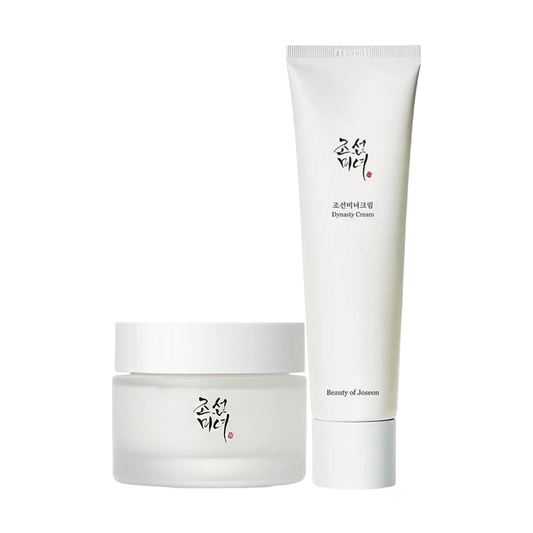
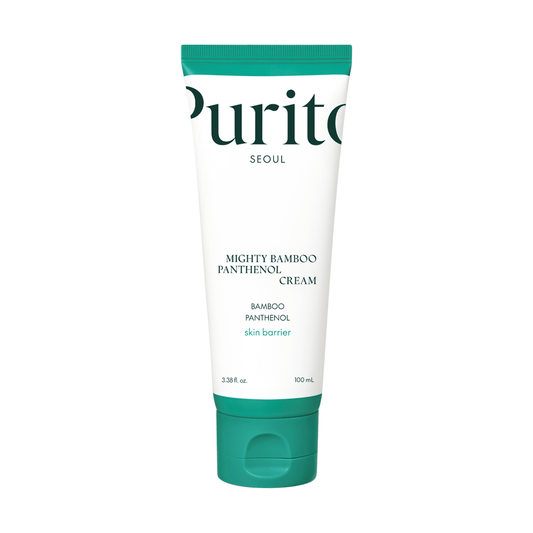

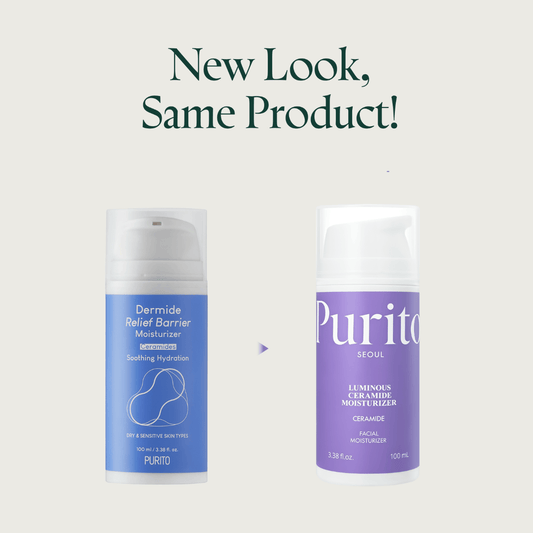
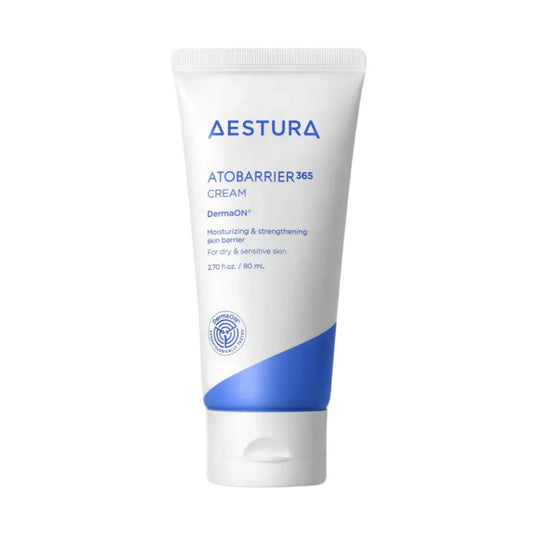

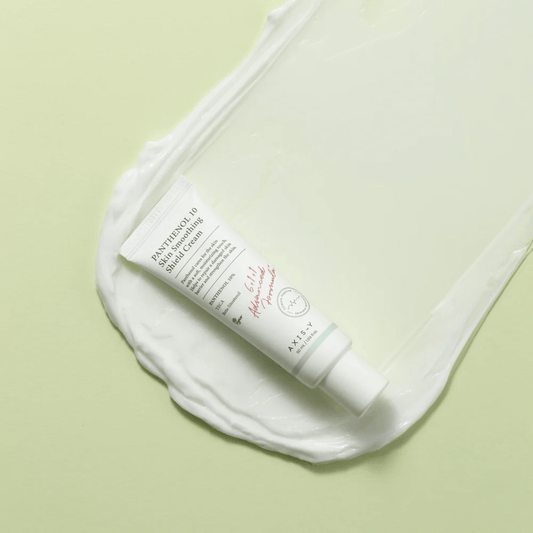

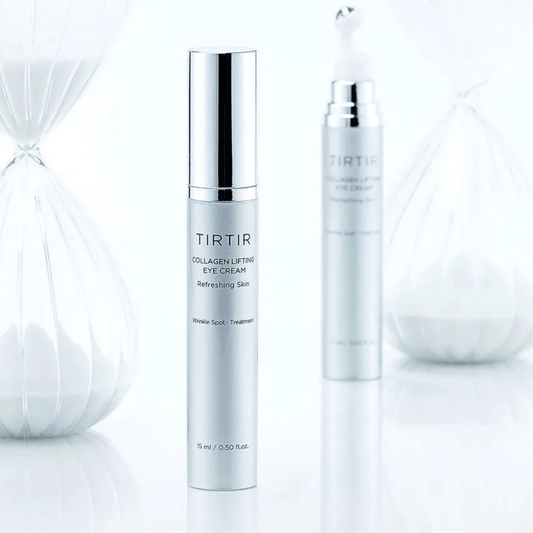


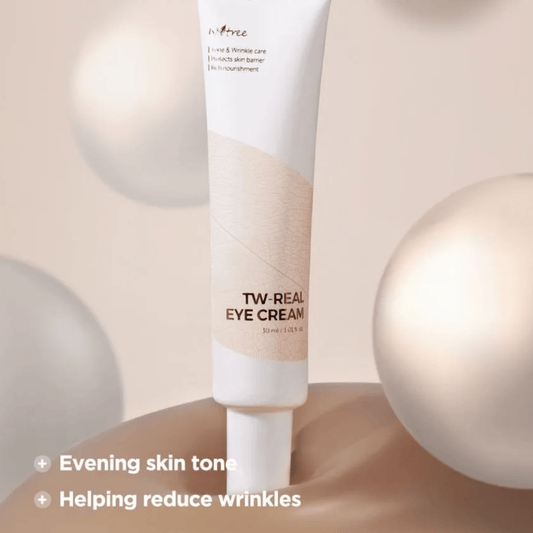

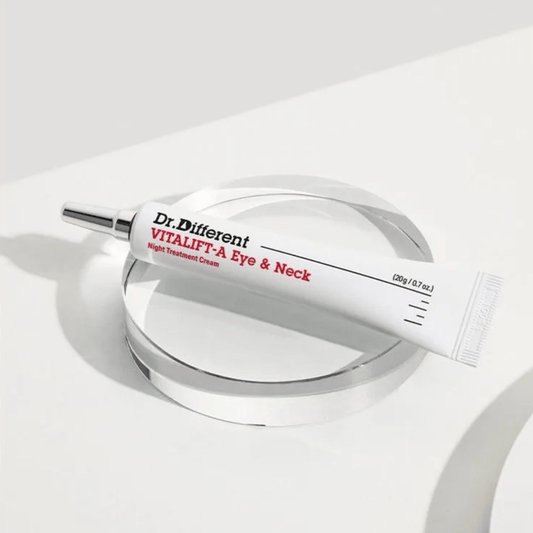

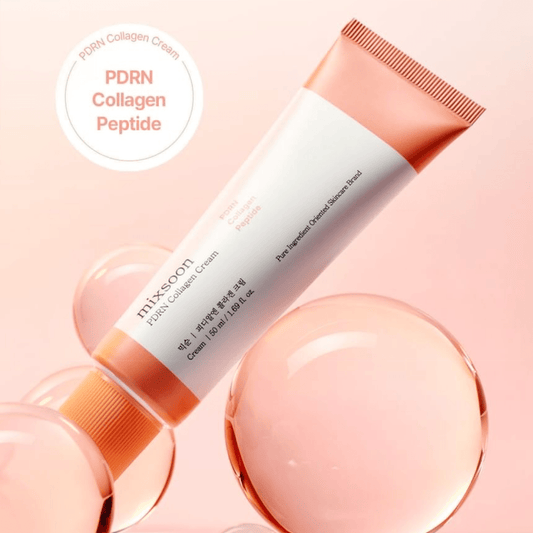

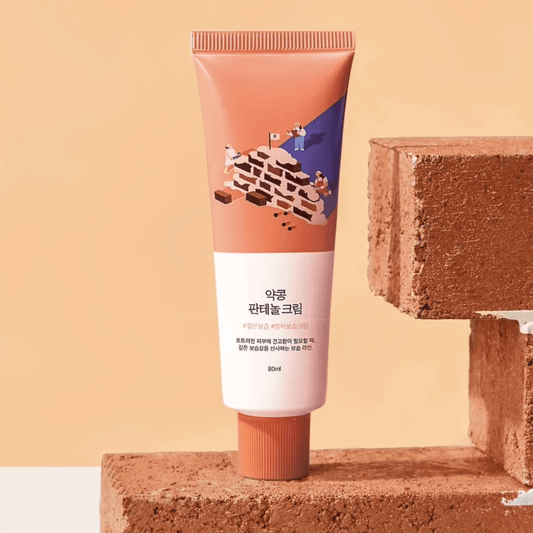

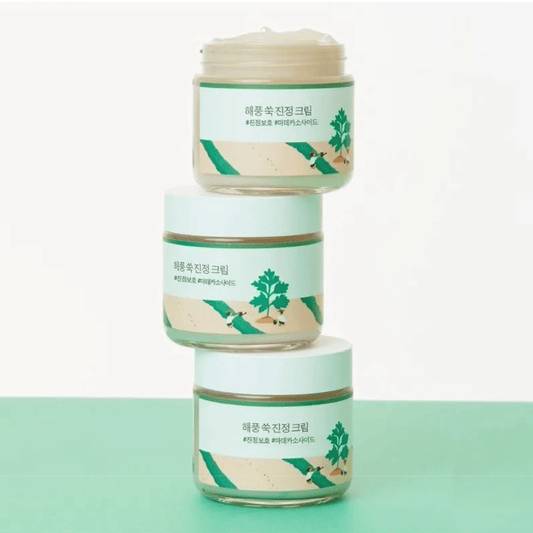

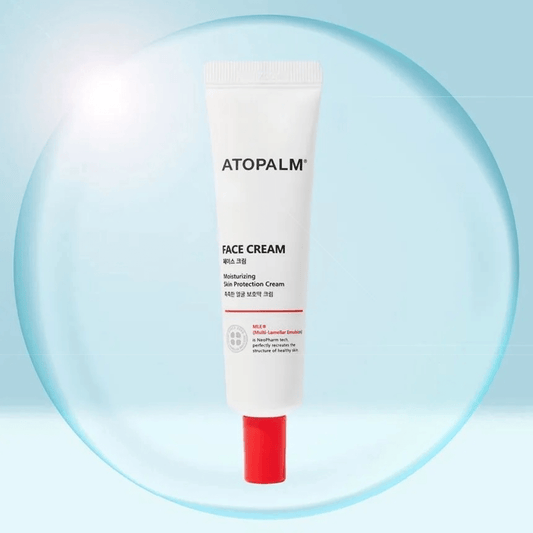
Korean Creams - Fungal Acne Safe address a real and often frustrating gap in skincare: finding a cream that hydrates well without feeding the yeast responsible for fungal breakouts. Korean skincare has developed effective cream formulas within these ingredient constraints, providing the moisture and barrier coverage of a real cream without the oils and fatty acids that cause the problem.
What Ingredients to Avoid in a Fungal Acne Safe Cream
Malassezia, the yeast responsible for fungal acne, feeds on fatty acids with carbon chain lengths of 11 to 24. This includes most common plant oils, sunflower, olive, coconut, squalane (plant or shark-derived), jojoba, and many others, as well as certain fatty acid-rich emollients like cetyl alcohol and certain esters. For a cream to be Fungal Acne Safe, it must avoid all of these. This significantly narrows the ingredient palette but does not reduce the possibility of an effective cream: glycerin, hyaluronic acid, niacinamide, mineral oil, and caprylic/capric triglyceride are all safe for Fungal Acne Safe formulas and can form the basis of genuinely moisturising creams.
- Avoid plant oils with C11-C24 fatty acids
- Avoid squalane, jojoba, sunflower, and olive oils
- Glycerin and hyaluronic acid are safe
- Mineral oil and caprylic/capric triglyceride are safe
How Do You Know If a Cream Is Truly Fungal Acne Safe?
The most reliable way is to check the full ingredient list against the known Malassezia-triggering fatty acid list. Tools like the HaloDerm fungal acne checker are useful. Many Korean creams in gel or water-cream textures are inherently lower risk because they rely on humectant-based hydration rather than oil-based emollient systems. That said, even Korean creams marketed for sensitive or acne-prone skin may contain ingredients that feed fungal acne, the label alone is not sufficient confirmation. Always check the full ingredient list when managing this concern. Fungal acne, correctly called pityrosporum folliculitis, results from malassezia yeast overgrowth in hair follicles rather than bacterial infection. Malassezia feeds specifically on fatty acids with carbon chain lengths of C11 to C24, meaning that most common plant oils directly worsen the condition.
- Check full ingredients against known trigger list
- Fungal acne checkers help identify safe formulas
- Korean gel and water-cream textures are lower risk
- Do not rely on marketing labels alone
Can a Fungal Acne Safe Cream Still Be Moisturising Enough?
Yes, the restriction to Fungal Acne Safe ingredients does not preclude effective moisturisation. Humectants are the most effective hydrating ingredient category, and they are all safe: glycerin, hyaluronic acid, and beta-glucan all provide excellent moisture without any fungal acne risk. A Fungal Acne Safe Korean cream using these ingredients in a gel or lightweight cream base will hydrate well for most skin types. For very dry skin, layering a humectant-rich essence before the cream deepens the moisture effect without requiring the fatty acids that would compromise the Fungal Acne Safe status. Fungal acne, correctly called pityrosporum folliculitis, results from malassezia yeast overgrowth in hair follicles rather than bacterial infection.
- Humectants hydrate effectively without trigger ingredients
- Glycerin, hyaluronic acid, and beta-glucan are all safe
- Layer essence underneath for dry skin needs
- Full moisturisation achievable within Fungal Acne Safe constraints
Browse the collection above. Korean Creams - Fungal Acne Safe give your skin genuine daily cream hydration without the risk that has made finding the right cream so difficult.