

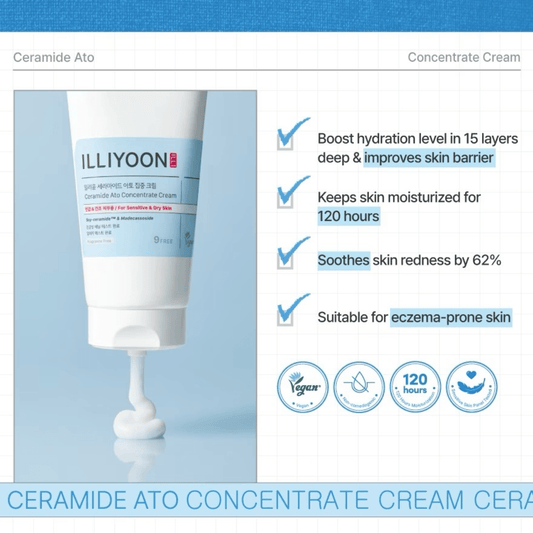
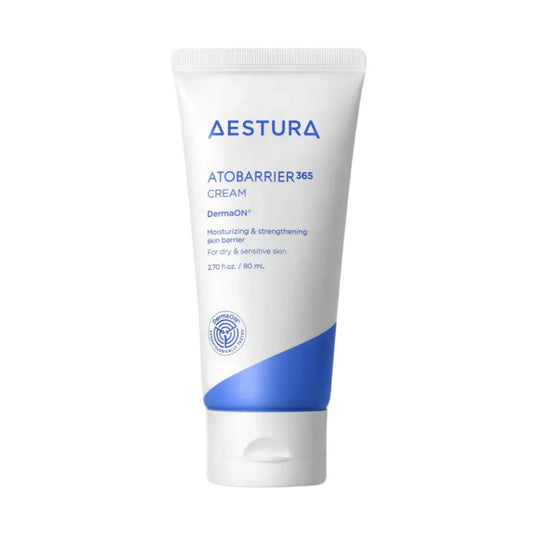

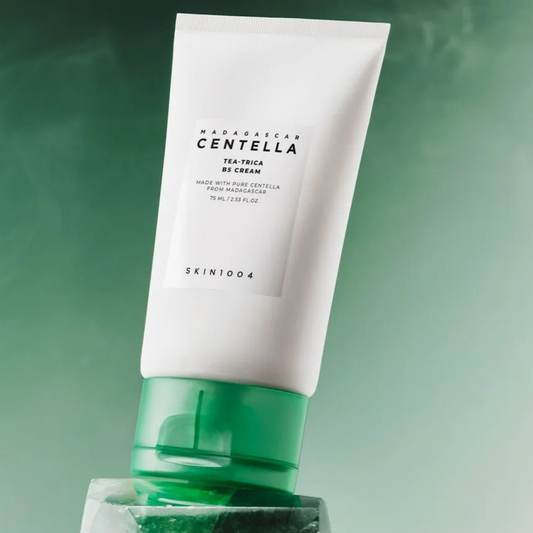


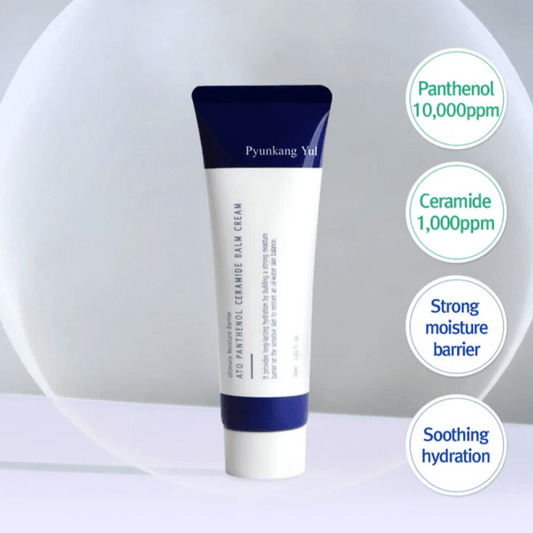

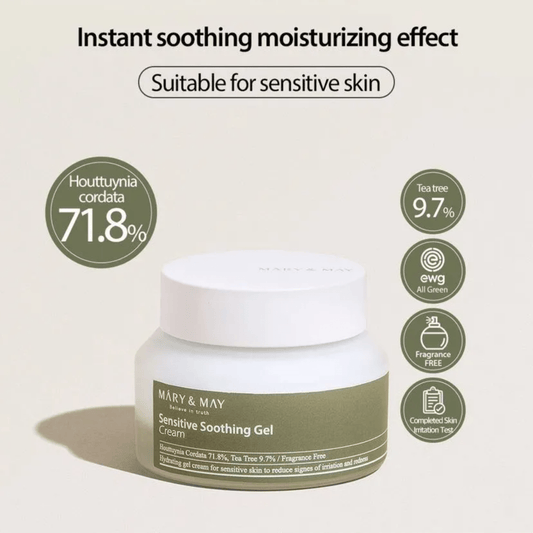

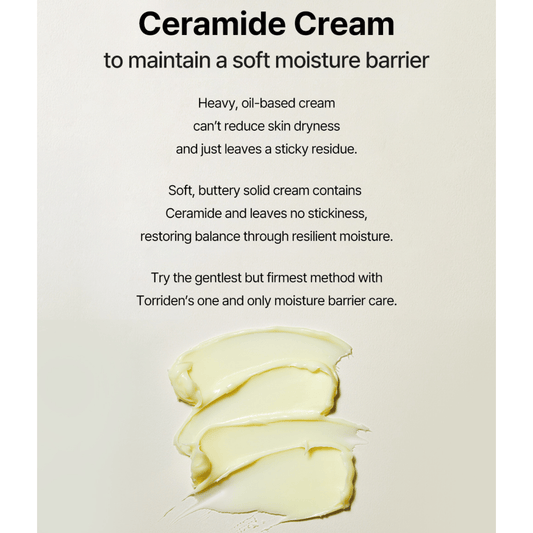

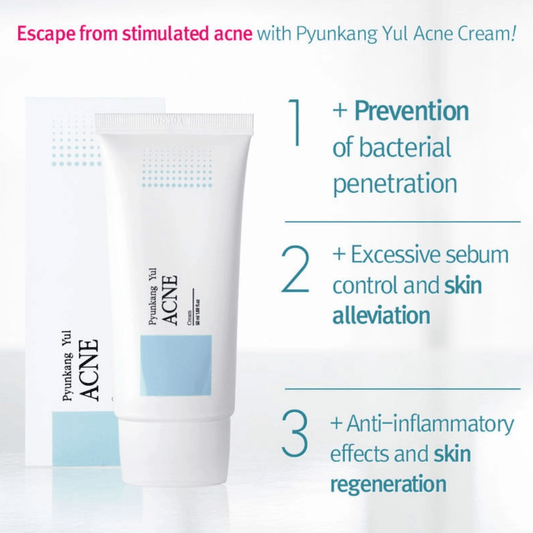


Korean Creams for Antimicrobial address the challenge that breakout-prone skin faces: it needs consistent barrier support and hydration to stay healthy, but many of the ingredients that keep skin moisturised can also worsen the bacterial environment that drives breakouts. These Korean formulas balance both requirements, providing genuine cream-weight care alongside targeted Antimicrobial action.
What Antimicrobial Ingredients to Look for in a Cream
Korean Antimicrobial creams use ingredients that address surface bacteria with precision rather than broad-spectrum stripping. Propolis is one of the most effective and well-tolerated Antimicrobial ingredients in Korean skincare, its complex blend of resins and flavonoids inhibits the growth of problem bacteria while providing calming, anti-inflammatory support. Centella asiatica complements this by reducing the redness and inflammation that bacterial activity triggers. Niacinamide regulates the sebum environment that bacteria thrive in, reducing the conditions that fuel breakouts without harming the beneficial microbiome. Tea tree oil-derived compounds offer targeted Antimicrobial action in fragrance-free, controlled concentrations. Antimicrobial skincare targets the microbial environment at the skin surface, reducing bacteria associated with blemish formation, odour, and surface imbalance.
- Propolis for Antimicrobial and anti-inflammatory action
- Centella to calm breakout-related redness
- Niacinamide to regulate the sebum environment
- Tea tree-derived compounds in controlled concentrations
How Antimicrobial Creams Help with Breakouts Without Drying
The most common objection to Antimicrobial skincare is that it dries the skin out. This is a valid concern with older-formulation, alcohol-heavy spot treatments, but Korean Antimicrobial creams are designed differently. They include generous levels of hydrating actives alongside the Antimicrobial ingredients, because Korean skincare understands that dehydrated skin actually worsens breakouts by triggering compensatory oil production. The result is a cream that manages bacteria and sebum while keeping the skin well-hydrated, comfortable, and barrier-intact, which is the environment in which skin stays consistently clear. Antimicrobial skincare targets the microbial environment at the skin surface, reducing bacteria associated with blemish formation, odour, and surface imbalance.
- Hydrating actives work alongside Antimicrobial ingredients
- Dehydrated skin worsens breakouts, hydration is part of the solution
- Barrier-intact skin resists bacterial entry better
- Comfortable, non-stripping daily use
How Often Should You Use an Antimicrobial Cream?
Korean Antimicrobial creams are designed for daily use, morning and evening, as part of a consistent routine. Occasional use does not give the Antimicrobial ingredients time to establish a meaningful effect on the skin's surface environment. Daily consistent use, by contrast, progressively improves the bacterial balance on the skin and reduces the frequency and severity of breakouts over time. For best results, apply to clean, slightly damp skin after your toner step, and follow with SPF in the morning. Using a gentle, non-stripping cleanser in the same routine ensures the Antimicrobial cream is working in a well-maintained skin environment.
- Daily morning and evening use for consistent effect
- Occasional use insufficient for meaningful Antimicrobial benefit
- Progressive improvement in skin clarity over time
- Pair with gentle cleanser for best environment
Browse the range above. Korean Creams for Antimicrobial give breakout-prone skin the targeted daily support it needs, without the dryness and stripping that older approaches to this concern have relied on.