

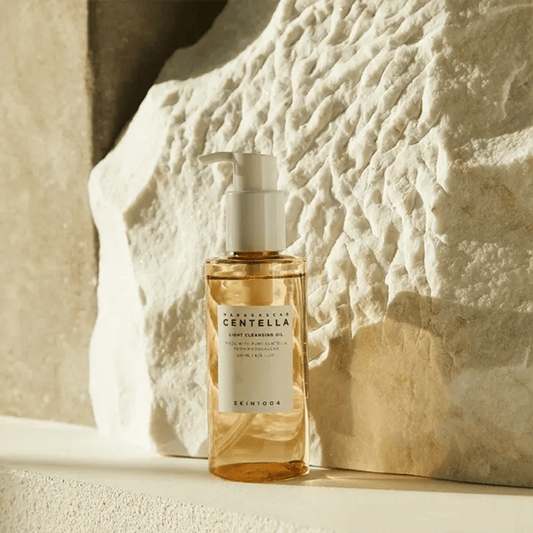

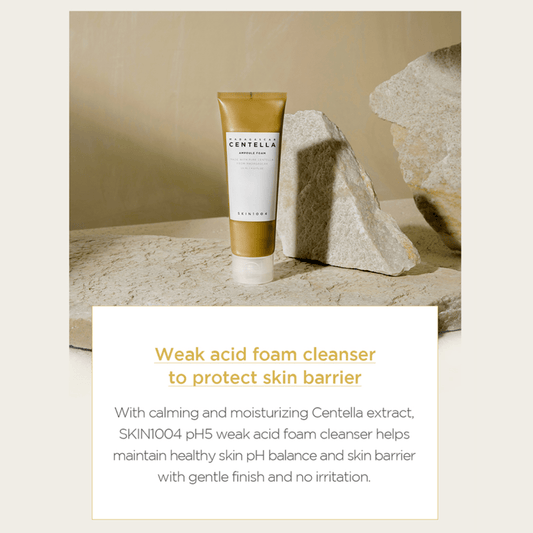
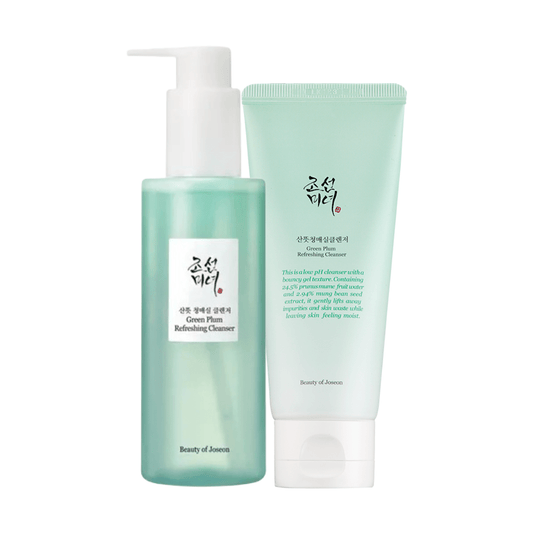

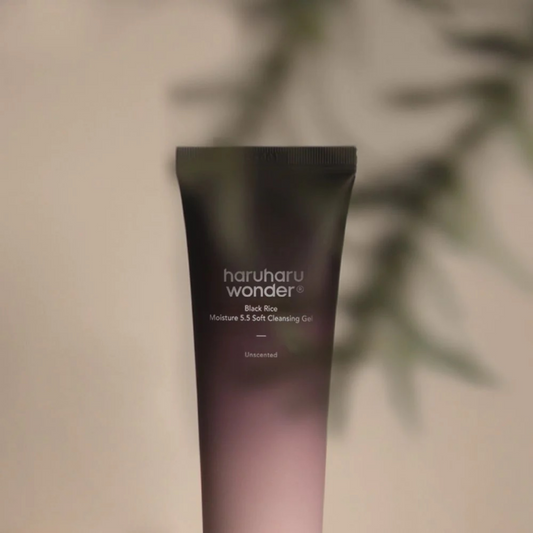
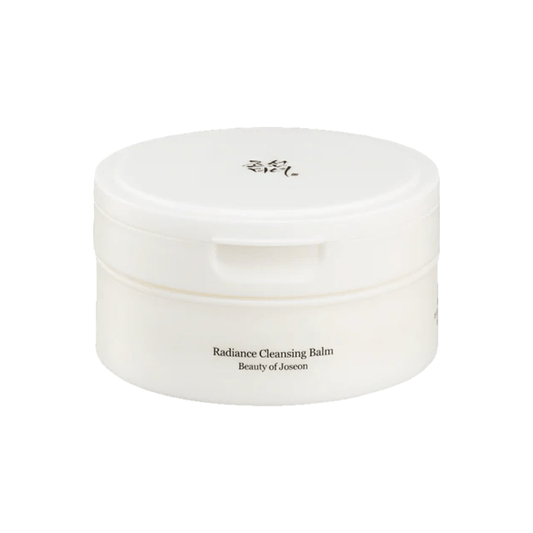
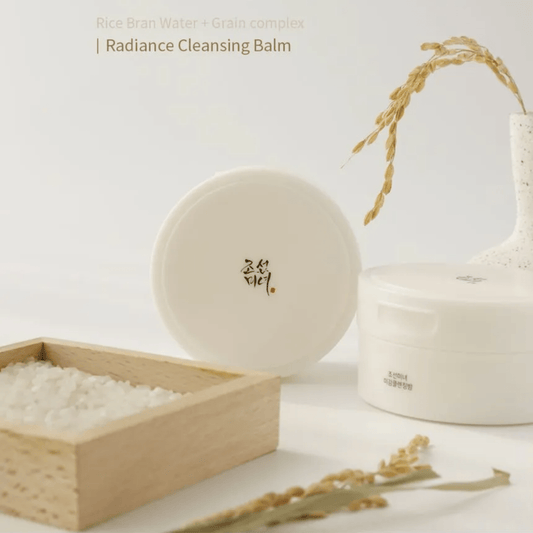

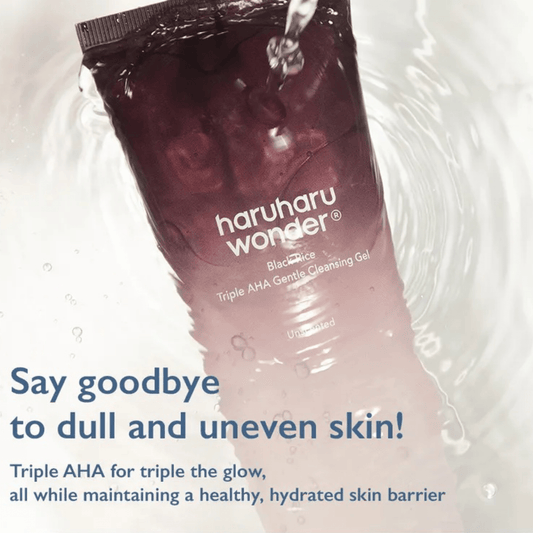

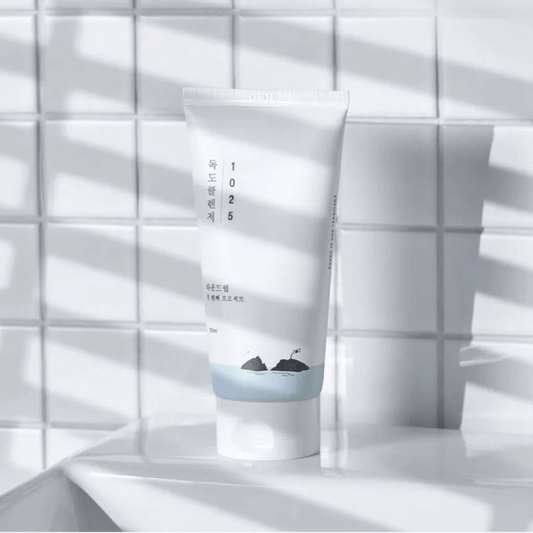

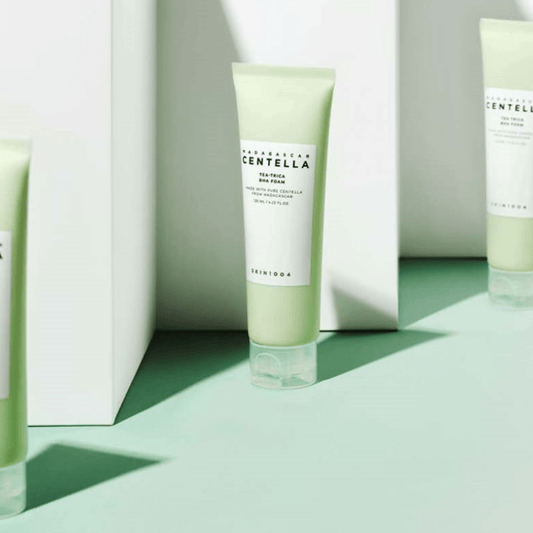

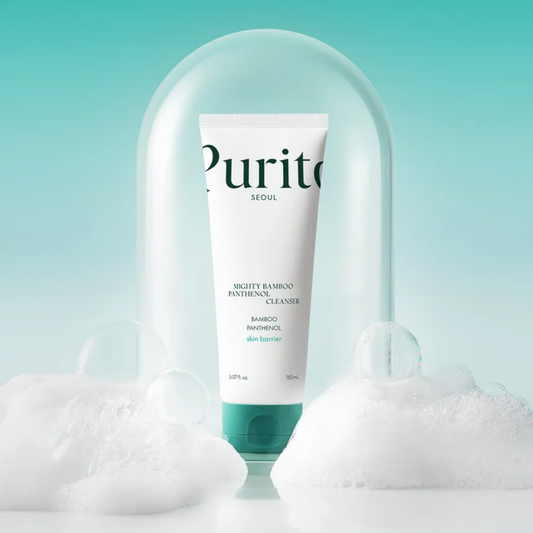
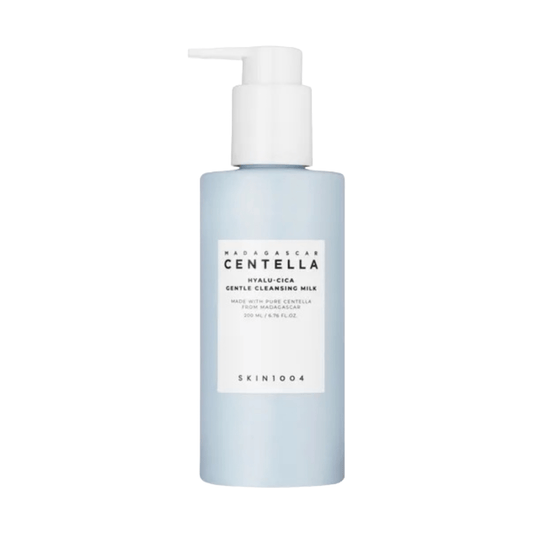
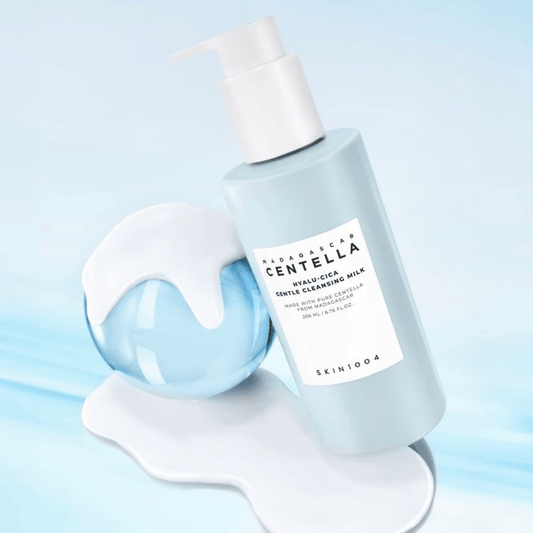

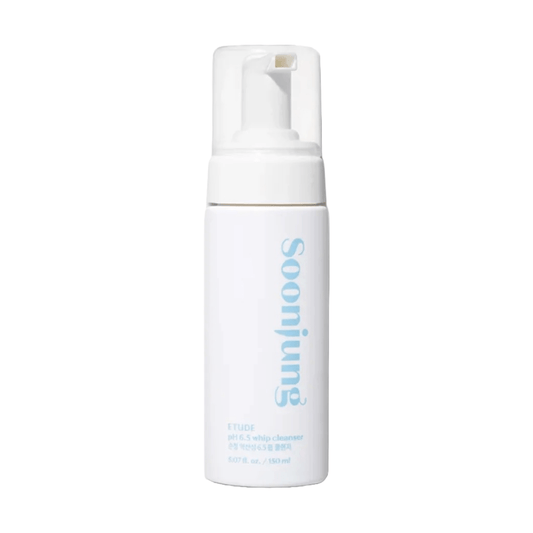

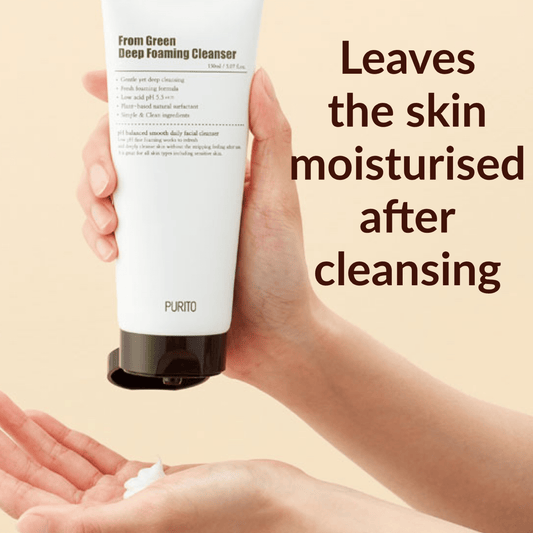

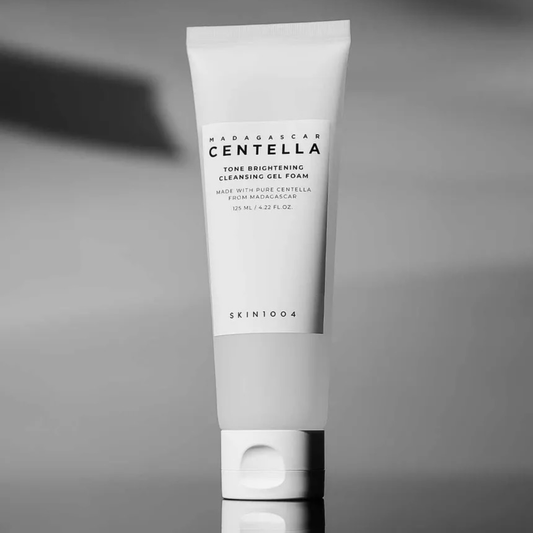

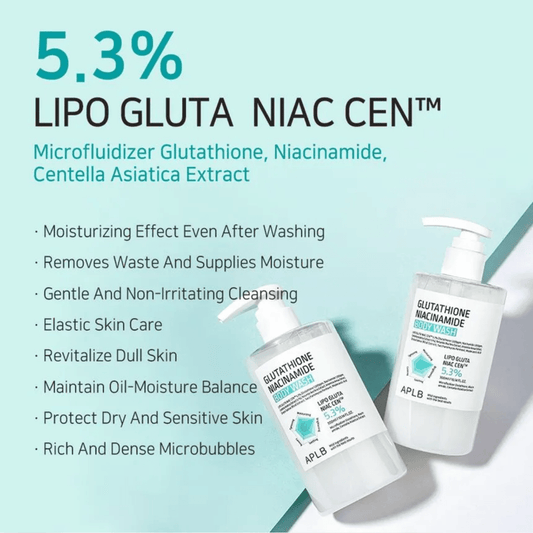


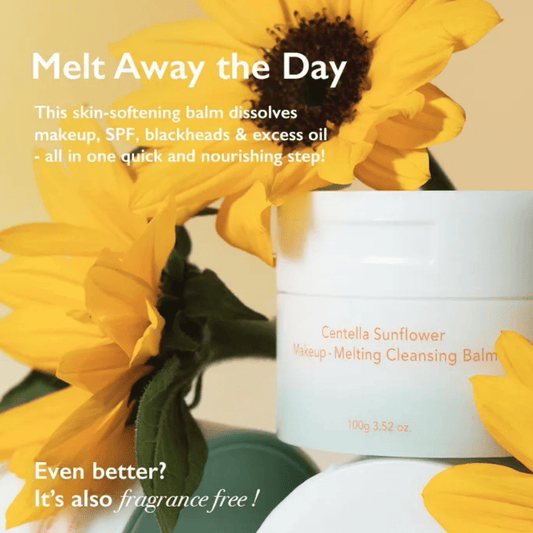
Korean Cleansers for Sensitive Skin are built around one principle: clean the skin without upsetting it. That sounds straightforward, but most cleansers are formulated for average skin, not for the kind that tightens, reddens, or stings at the slightest provocation. This collection is different.
Sensitive skin has a lower irritation threshold, reacting to stimuli that average skin tolerates without any visible response. Building a consistent, minimal routine and introducing one new product at a time makes identifying triggers significantly easier. Patch testing on the inner arm before facial use is a sensible precaution for any new formula on highly reactive skin.
Ingredients to Avoid in a Sensitive Skin Cleanser
Fragrance is the most common trigger in cleansers. Alcohol and strong surfactants like sodium lauryl sulphate strip the barrier and leave skin exposed. Essential oils, even natural ones, can cause reactions on sensitised skin. The safest sensitive skin cleansers are fragrance-free, use mild surfactants such as coco glucoside, and keep the ingredient list short and purposeful. If a formula has a long ingredient list with many botanical extracts, it carries more potential triggers than a shorter, simpler one.
- Fragrance-free formulas only
- No sodium lauryl sulphate
- Mild surfactants like coco glucoside
- Short, purposeful ingredient lists
How to Know if Your Cleanser Is Too Harsh
If your skin feels tight five minutes after rinsing, that is a sign your cleanser has stripped too much. Redness that lingers after cleansing, increased sensitivity, or a dry, rough feel the morning after are all signals to switch. A well-matched cleanser for sensitive skin should leave the face feeling clean but comfortable, soft rather than squeaky, settled rather than reactive. If you are not sure, try applying your cleanser to the inner arm for three consecutive evenings to check for any reaction before committing to daily facial use.
- Tightness after rinsing signals stripping
- Lingering redness means the formula is too harsh
- Good cleansers leave skin soft, not squeaky
- Switch if sensitivity increases after use
Double Cleansing with Sensitive Skin
Double cleansing is safe for sensitive skin when both steps are gentle. Start with a soft cleansing oil or balm to dissolve SPF and makeup, then follow with a water-based sensitive skin cleanser. Keep water lukewarm: hot water dilates vessels and increases redness. Pat dry rather than rubbing. This two-step approach removes everything without compromising the barrier. Not all skin needs a double cleanse every evening; on light makeup days, a single gentle cleanse is enough.
- Use a gentle oil cleanser as step one
- Follow with a sensitive-formula water cleanser
- Lukewarm water only
- Pat dry, never rub
Sensitive Skin and Routine Consistency
Sensitive skin responds best to routine stability. Once you find a cleanser that works, stick with it and give it at least four weeks before making any changes. Changing products frequently introduces new variables and makes it harder to know what is helping or causing problems. A simple, consistent cleanse twice a day, morning and evening, with a formula your skin trusts, is more beneficial than rotating between multiple products.
- Stick with a formula that works for at least four weeks
- Avoid rotating products with sensitive skin
- Twice-daily cleansing, morning and evening
- Consistency helps identify triggers more accurately
Scroll up and explore the collection. Finding a cleanser your skin trusts can make a real difference to how your whole routine feels.