

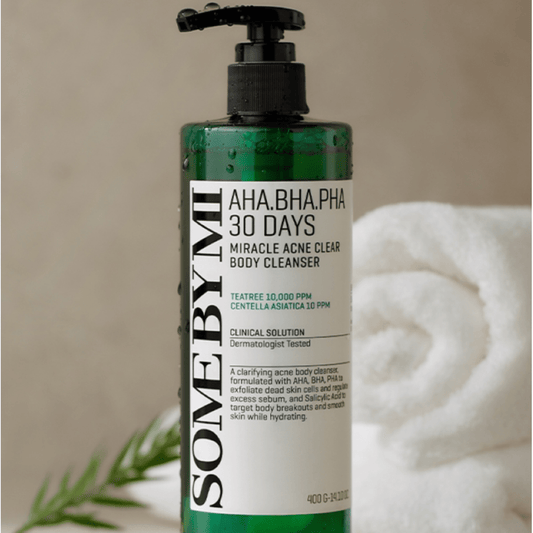

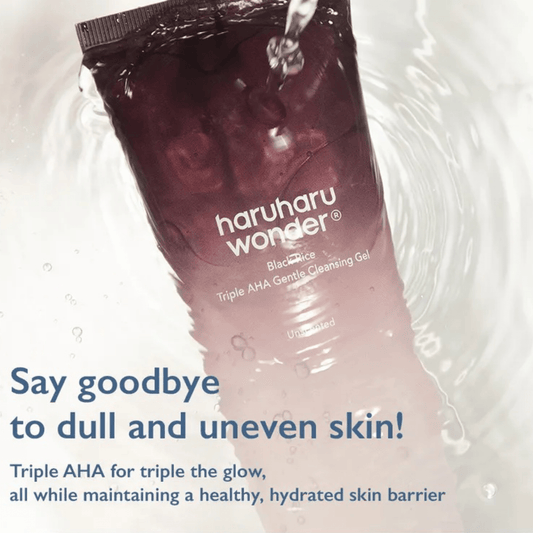

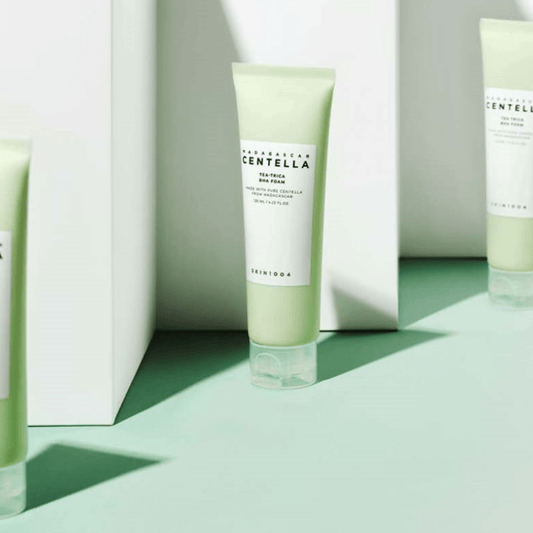

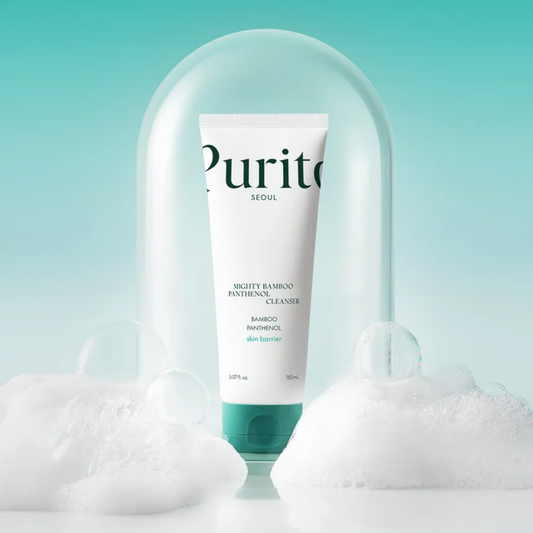

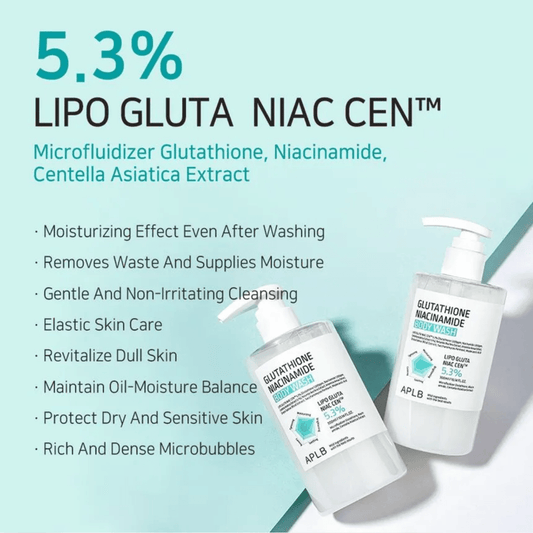

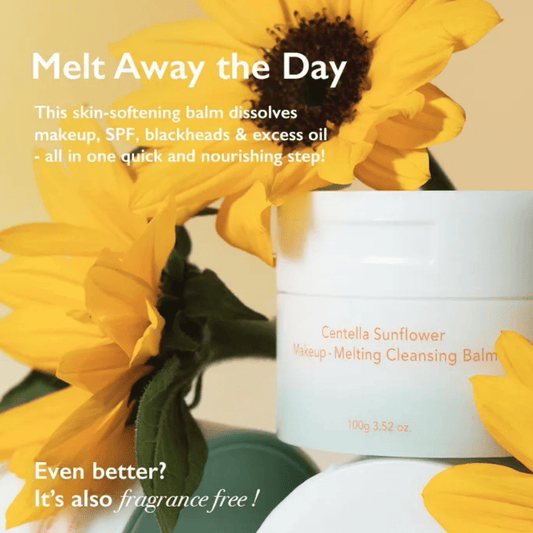


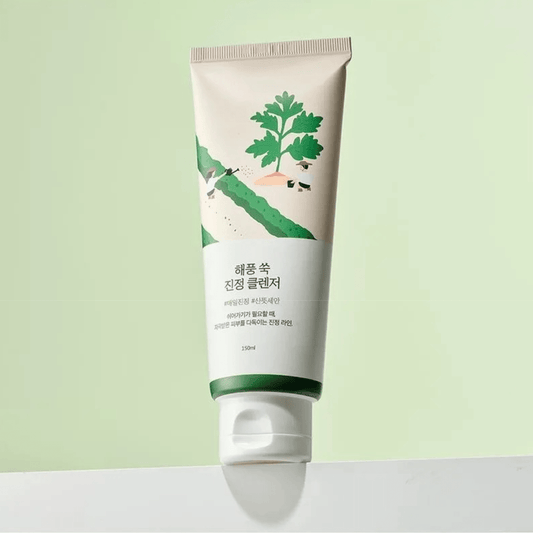


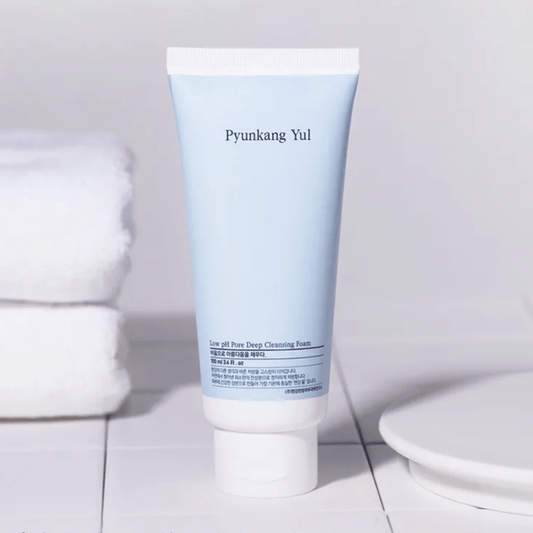

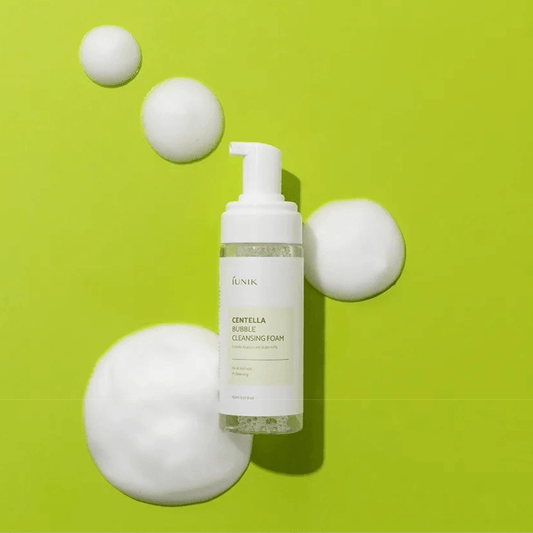

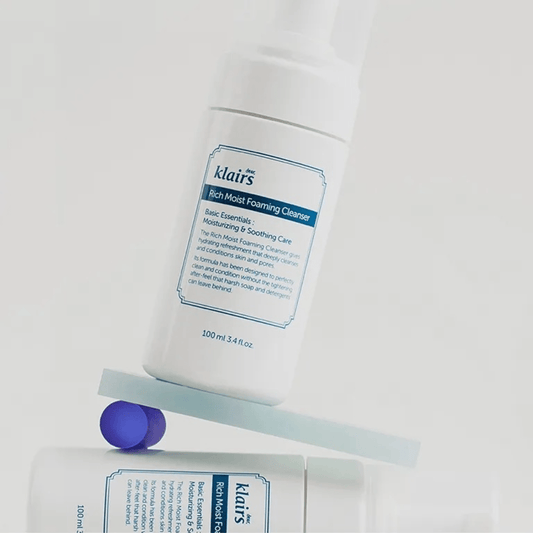

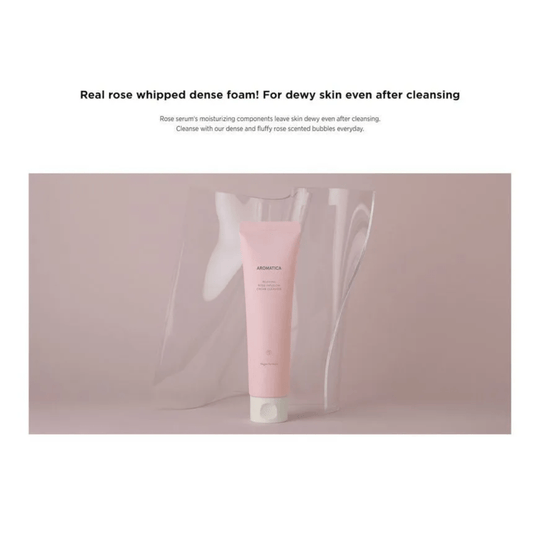

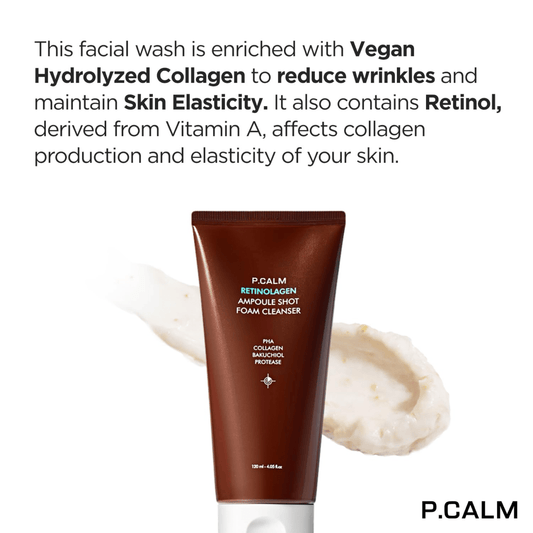

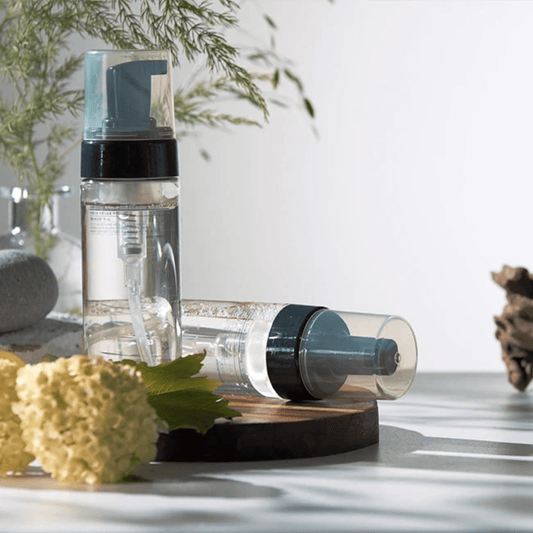

K-Beauty Cleansers for Redness recognise that for some skin types, the act of cleansing itself can trigger the problem they are trying to manage. Heat, friction, and the wrong ingredients all contribute to visible redness during and after washing. These cleansers minimise every one of those triggers while still delivering a thorough, effective cleanse.
Ingredients in a Cleanser That Help Calm Redness
Centella asiatica is one of the most consistent redness-reducing ingredients in Korean skincare, its active compounds visibly calm the look of flushed, irritated skin. Chamomile soothes the skin surface and brings a gentle, comforting sensation. Beta glucan forms a protective layer over reactive skin, helping it stay calm through the cleansing process. Green tea provides antioxidant action that supports skin dealing with the inflammatory triggers that cause persistent redness. Korean cleansers match the skin's natural pH of 4.5 to 5.5, which preserves the acid mantle and supports both barrier function and the skin microbiome. The surfactant system in Korean cleansers is typically amino acid-based or plant-derived, chosen for effective cleansing at a significantly lower irritation risk than sulphates.
- Centella to visibly reduce flushing and redness
- Chamomile for a soothing, comforting sensation
- Beta glucan to protect the reactive skin surface
- Green tea for antioxidant support
Can Harsh Cleansing Make Redness Worse
Yes, consistently. Aggressive surfactants strip the acid mantle, making the skin more permeable and reactive. Hot water dilates blood vessels and increases visible flushing. Scrubbing or using a flannel creates friction that aggravates redness-prone skin. The cumulative effect of these habits is a skin that becomes progressively more reactive over time. Switching to a gentle cleanser, using lukewarm water, and applying with minimal agitation addresses all three causes simultaneously. Korean cleansers match the skin's natural pH of 4.5 to 5.5, which preserves the acid mantle and supports both barrier function and the skin microbiome. The surfactant system in Korean cleansers is typically amino acid-based or plant-derived, chosen for effective cleansing at a significantly lower irritation risk than sulphates.
- Stripping surfactants worsen reactivity over time
- Hot water dilates vessels and increases flushing
- Friction from cloths aggravates redness
- Gentle formula, lukewarm water, soft hands
Foaming Cleansers and Redness
Many foaming cleansers contain sulphate-based surfactants that trigger redness on reactive skin. However, not all foaming cleansers are equal, amino acid-based foaming cleansers create a gentle, low-irritation lather that works well for redness-prone skin. The foam level is not the problem; it is the surfactant behind it. Look for sodium cocoyl glutamate, sodium lauroyl sarcosinate, or similar amino acid surfactants to get the satisfying foam without the reactive aftermath. Korean cleansers match the skin's natural pH of 4.5 to 5.5, which preserves the acid mantle and supports both barrier function and the skin microbiome. The surfactant system in Korean cleansers is typically amino acid-based or plant-derived, chosen for effective cleansing at a significantly lower irritation risk than sulphates.
- Sulphate foam cleansers often trigger redness
- Amino acid-based foams are safe alternatives
- Check for cocoyl glutamate or lauroyl sarcosinate
- Foam level is not the issue, surfactant type is
Find the right cleanser for your redness-prone skin above. The right formula turns the cleansing step from a potential trigger into a moment of relief.