
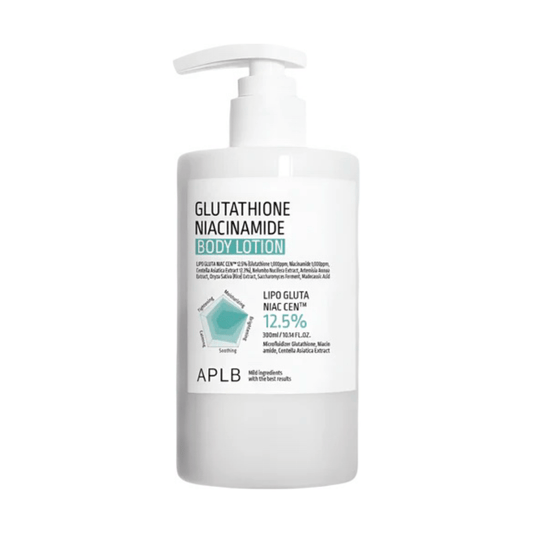
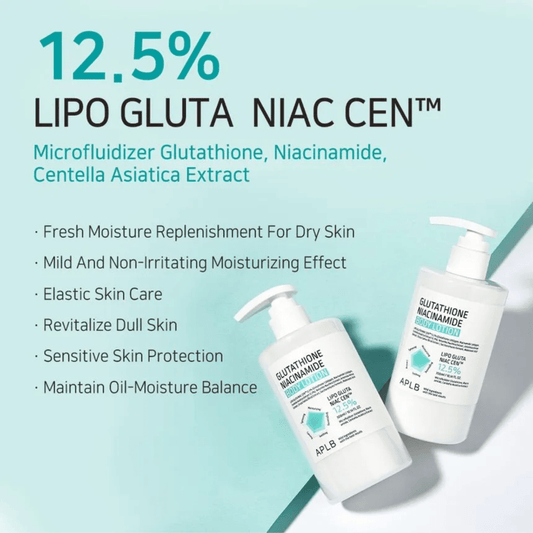
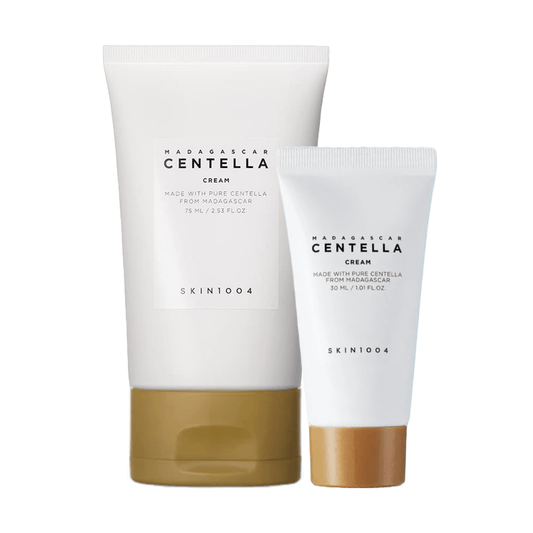
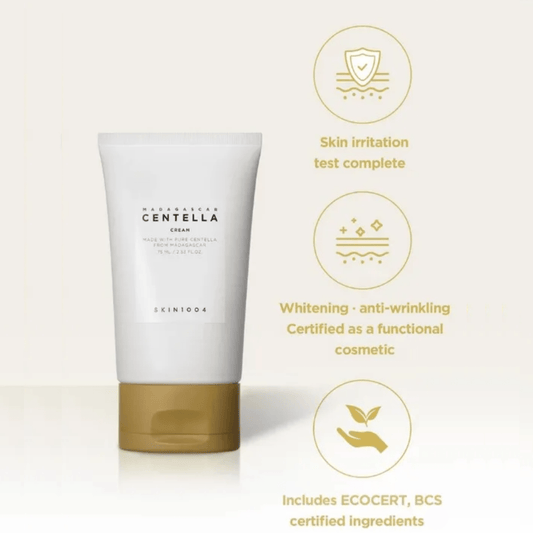
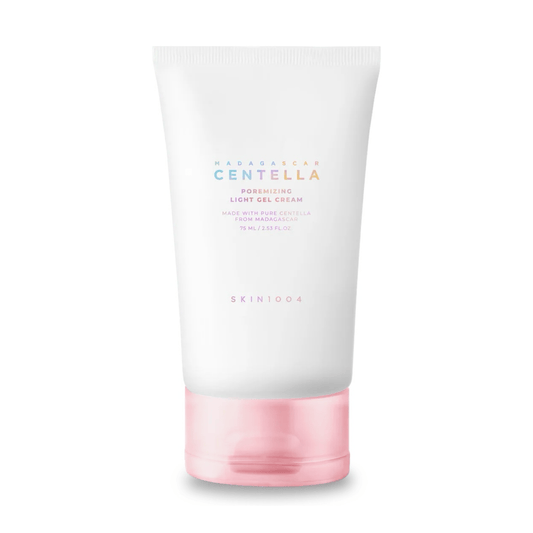


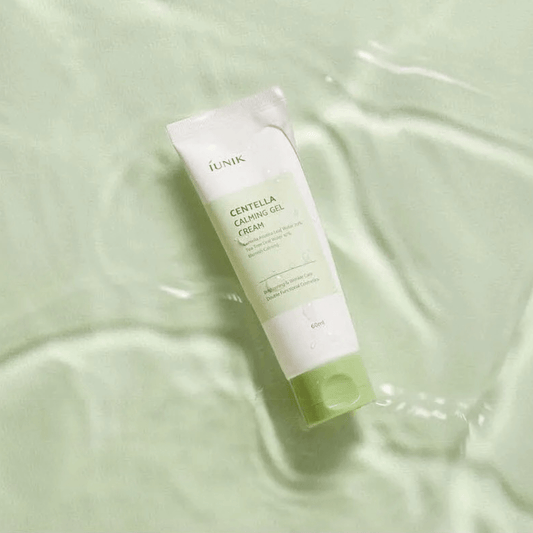

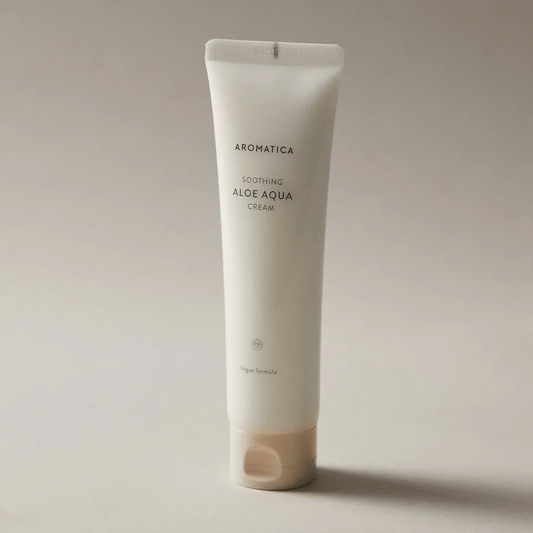

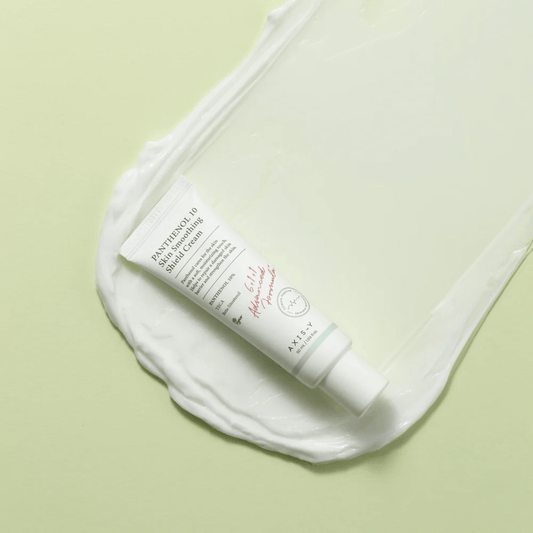

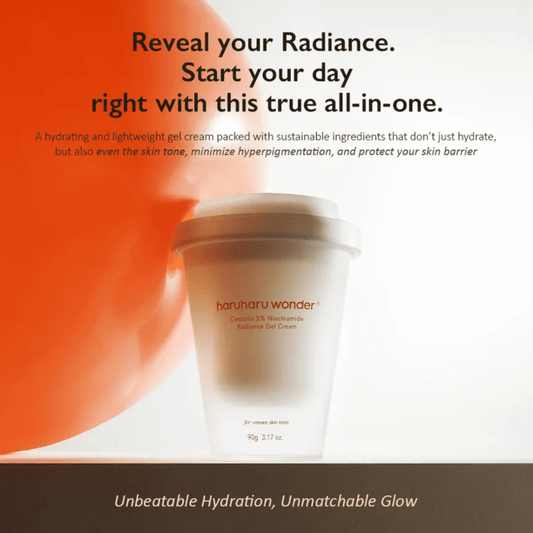

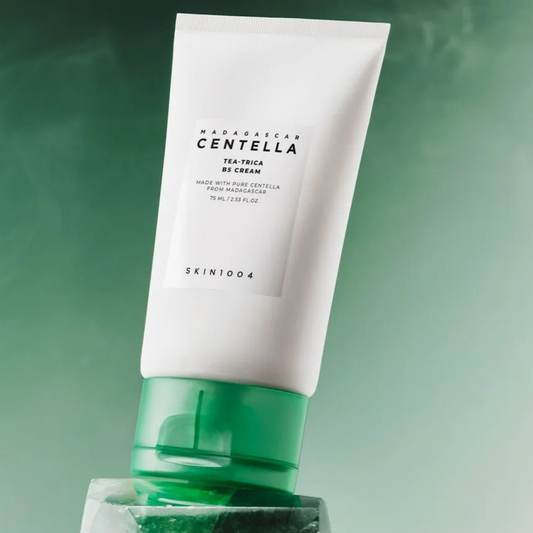

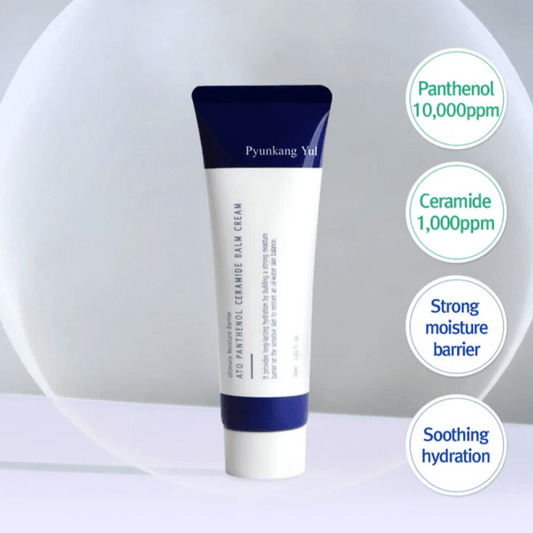

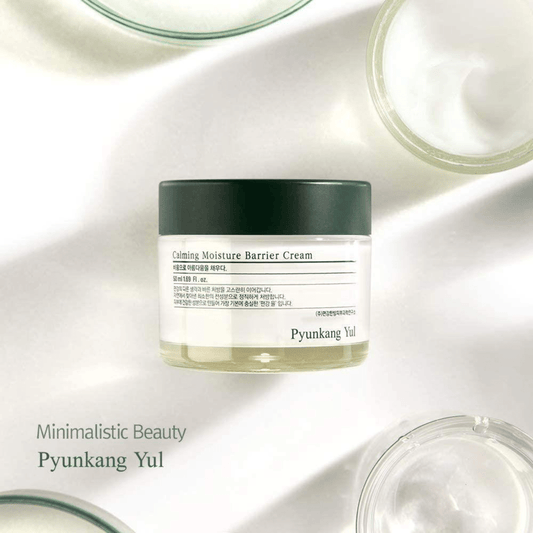


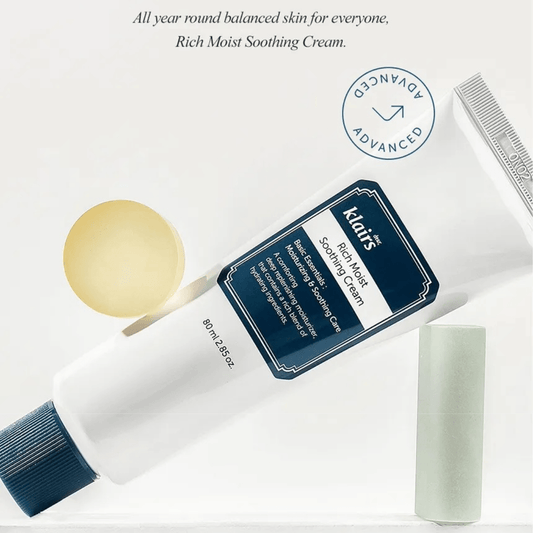

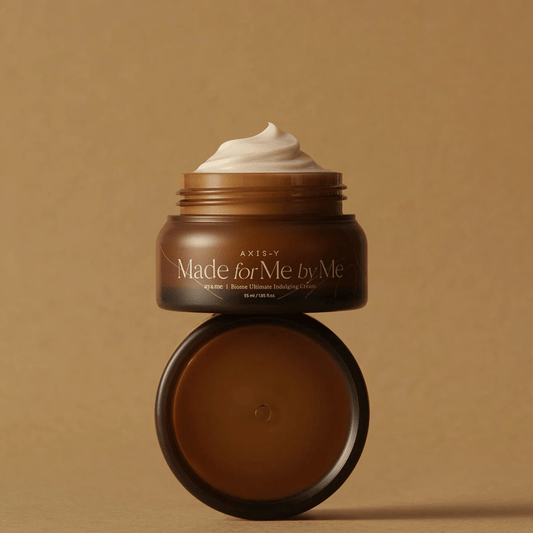


K-Beauty Moisturisers for Wound Healing are built around a specific skin need: supporting the skin own repair process. For skin recovering from a breakout, a reaction, or post-procedure sensitivity, these formulas provide the calming, barrier-protective environment that recovery requires.
What Wound Healing Means in Skincare
In a skincare context, Wound Healing refers to the skin ability to recover from surface-level damage: breakouts, minor irritation, redness from actives, or the aftermath of a sensitivity flare. The skin has a natural repair process that involves inflammation, cell renewal, and barrier restoration. A Wound Healing moisturiser supports each stage: calming the immediate response, providing the right environment for cell renewal, and protecting the recovering surface from further damage or irritation. Look for clinical or consumer study data on the brand product page, reputable Korean skincare brands routinely provide this, and it gives a more reliable indication of real-world performance than ingredient-list analysis alone.
- Calms active inflammation and redness
- Supports cell renewal after damage
- Protects recovering skin from irritants
- Helps restore a smooth, even surface over time
Key Ingredients for Recovery
Centella asiatica is the cornerstone of Korean Wound Healing skincare. Its active compounds calm inflammation and support skin regeneration, making it one of the most well-studied calming ingredients in Korean formulation. Panthenol, provitamin B5, softens the skin and helps maintain moisture in recovering tissue. Allantoin promotes cell renewal and soothes redness. Together, these ingredients create a formula that actively supports the skin repair process rather than simply providing surface-level comfort. Many Korean brands combine them in calming gel-creams or balms designed specifically for recovery periods. Post-wound skin requires both moisture and structural support. Humectants attract water while lipid-rich occlusives prevent that water from escaping, and moisturisers with centella or peptide support help tissue regeneration alongside providing the moist healing environment that accelerates recovery most effectively.
- Centella asiatica to calm and support regeneration
- Panthenol to soften recovering tissue
- Allantoin to soothe and renew skin surface
- Barrier-forming ingredients to protect recovering skin
Wound Healing vs Barrier Repair: The Key Difference
Wound Healing and barrier repair are related but not identical. Barrier repair focuses on restoring the lipid structure of the outermost skin layer. Wound Healing addresses active skin damage: the inflammatory response and tissue recovery that follow a breakout, a reaction, or post-procedure stress. Many Korean moisturisers combine both approaches, using centella and allantoin for active recovery alongside ceramides for structural repair. During a recovery period, simplify your routine: use a gentle cleanser, your Wound Healing moisturiser, and SPF. Reintroduce actives only once the skin has fully settled. Apply morning and evening after serum, smoothing in upward strokes. Consistent daily use over four to six weeks allows the active ingredients to deliver measurable change as the skin steadily builds its recovery response.
- Wound Healing addresses active damage and inflammation
- Barrier repair restores lipid structure
- Many Korean formulas address both concerns together
- Simplify your routine during the recovery period
Browse the full collection above and find the K-Beauty Moisturisers for Wound Healing formula that gives your skin the quiet, consistent support it needs to recover well and stay calm.