

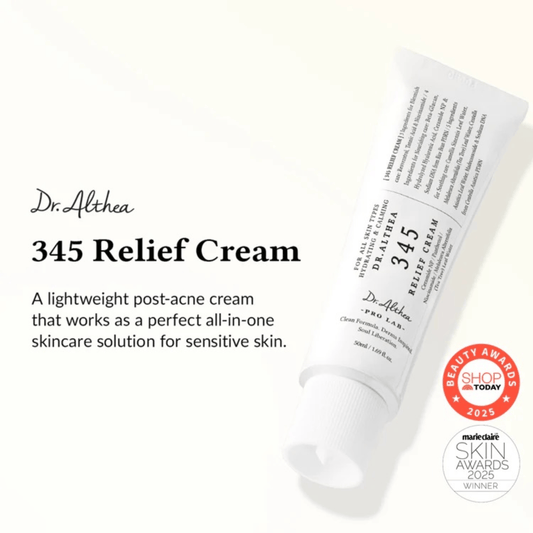

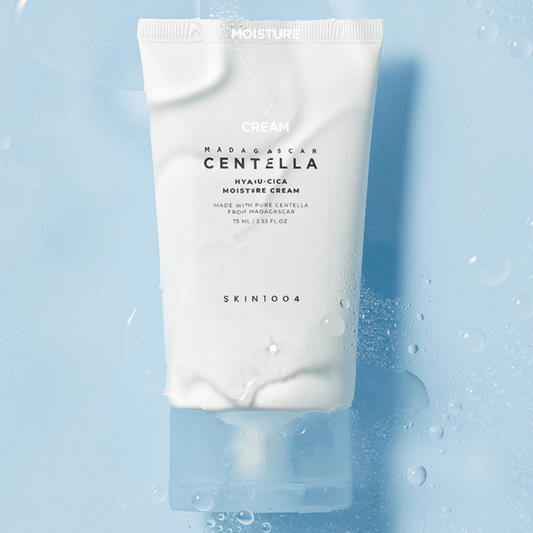

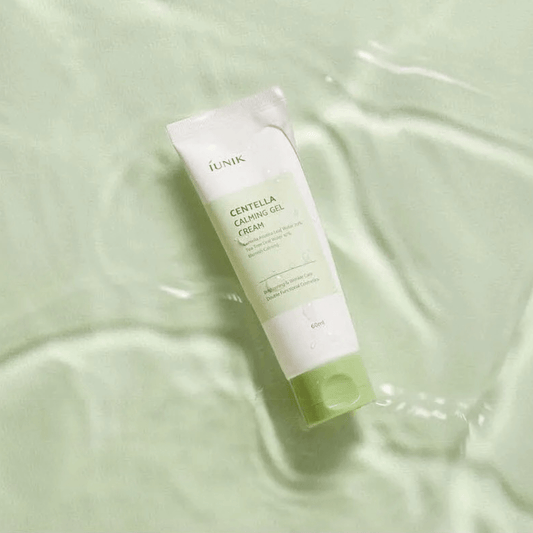

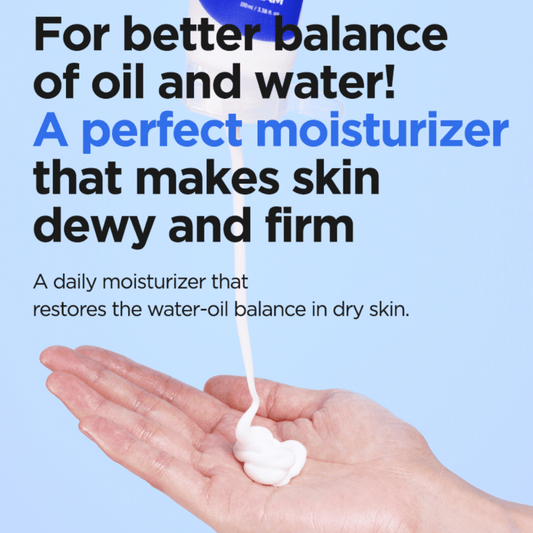

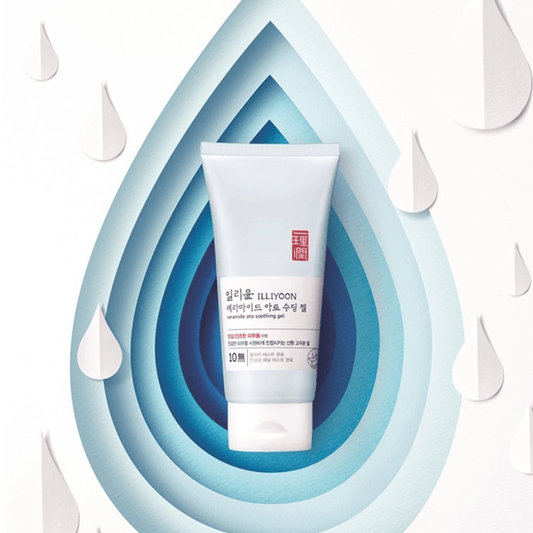


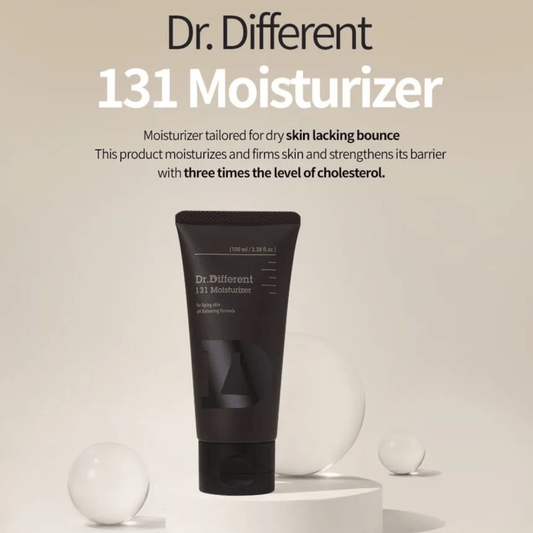


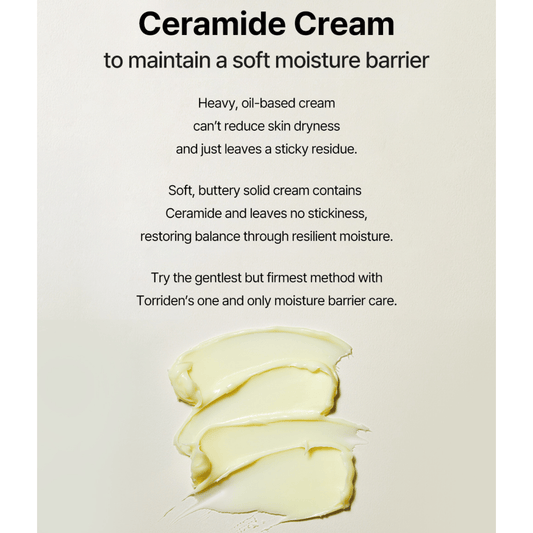

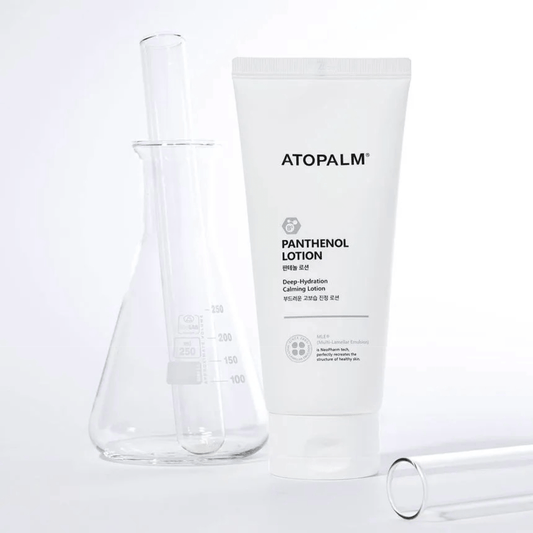


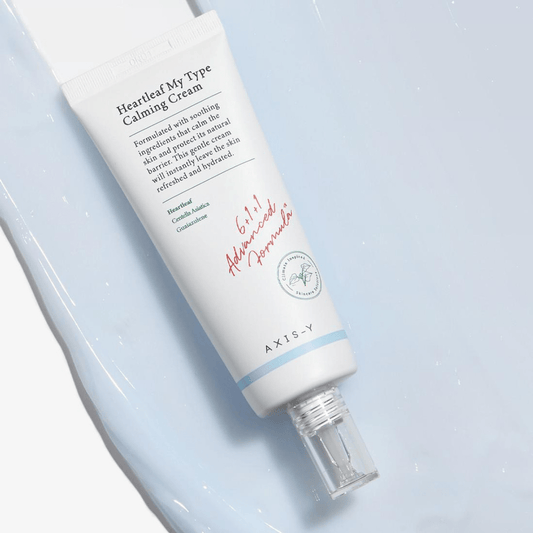

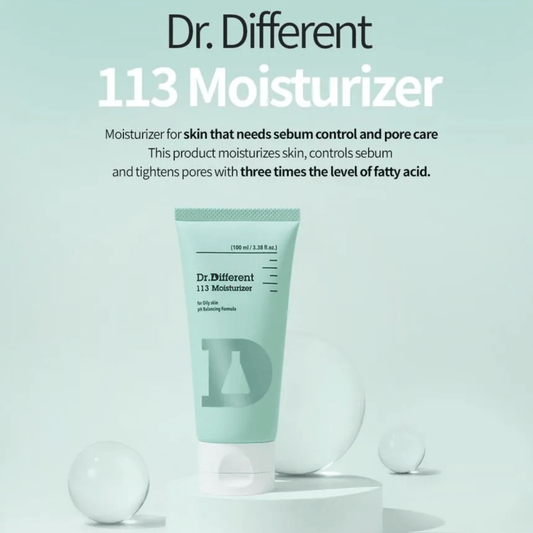
K-Beauty Moisturisers for Eczema Prone Skin are built around what Eczema Prone Skin actually needs: a compromised barrier supported back toward function, inflammation calmed, and hydration maintained without aggravating a reactive surface. Korean skincare is particularly well-suited here, with a tradition of gentle, minimal formulas that prioritise skin health over high-active performance.
What Ingredients to Avoid for Eczema Prone Skin
Eczema Prone Skin is highly reactive to a specific set of common moisturiser ingredients. Fragrance, both synthetic and natural, including essential oils, is the leading cause of contact reactions in eczema sufferers. Alcohol-based ingredients dry and strip a barrier that is already compromised. Harsh preservatives and certain emulsifiers have also been linked to flare-ups in sensitive individuals. Korean moisturisers for Eczema Prone Skin avoid these by design, using fragrance-free, minimal formulas with gentle preservation systems and well-tolerated emollients. Look for clinical or consumer study data on the brand's product page, reputable Korean skincare brands routinely provide this, and it gives a more reliable indication of real-world performance than ingredient-list analysis alone.
- Avoid synthetic and natural fragrance
- No essential oils
- Alcohol-free formulas only
- Check for gentle preservation systems
How K-Beauty Formulas Help Eczema Prone Skin
Korean moisturisers help Eczema Prone Skin primarily through barrier restoration and inflammation management. Ceramides are essential. They replace the barrier lipids that Eczema Prone Skin loses more readily than normal skin. Centella asiatica calms the redness and irritation that accompany flare-ups. Panthenol and allantoin soften and soothe without introducing risk. Glycerin and hyaluronic acid provide water-based hydration that Eczema Prone Skin often lacks. Korean brands frequently combine these in simple, well-tested formulas that are suitable for year-round daily use. Apply the serum to clean, slightly damp skin and allow thirty to sixty seconds for the formula to fully absorb before applying moisturiser, this prevents dilution of the active layer and ensures it is sealed in effectively.
- Ceramides to restore barrier lipids
- Centella to calm flare-related redness
- Panthenol and allantoin to soften
- Humectants for water-based moisture
Using a Moisturiser During a Flare-Up
Moisturising during an eczema flare is important, not skipping it. A flare signals that the barrier is most compromised, and regular moisturising helps limit the severity and duration of the episode. Apply your moisturiser to slightly damp skin immediately after cleansing to lock in moisture before it evaporates. During a flare, the safest choice is the one formula you have already tested and tolerated. Introducing a new moisturiser during an active flare makes it difficult to identify whether any new reaction is from the product or the flare itself. Oily skin still needs hydration, the sebum it produces is not equivalent to moisture, and a dehydrated oily complexion shows both shine and flaky dry patches simultaneously. A water-based, oil-free moisturiser applied consistently teaches the skin to regulate sebum rather than overproducing it.
- Moisturise during flare-ups, not less
- Apply to damp skin after cleansing
- Stick to tested, tolerated formulas during flares
- Introduce new products only when skin is calm
Browse the full collection above. For Eczema Prone Skin, the right moisturiser is not just a comfort. It is a daily part of keeping the barrier in the best possible condition.